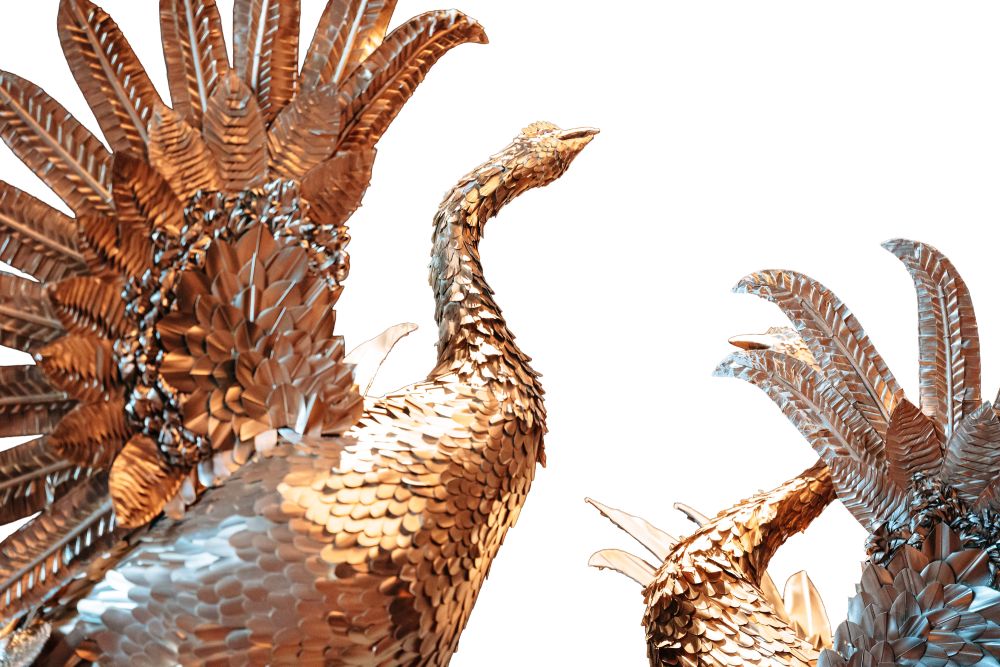
Visitors to Bali are often beguiled by Balinese cultural traditions. Vibrant, mysterious, and to many, otherworldly. We are especially captivated by the creative dexterity and excellence displayed across a wide range of human expressions. While traditional interpretations of art, performance, and handicrafts are widely observed, a new generation of artists with contemporary ideas offers an exciting lens into the future.
Jnana Bali is an Ubud-based collective of traditional artists who specialise in creating ritual, ceremonial, and contemporary art objects. Their activity draws on ngayah a powerful, time-honoured expression of unity, spirituality, and community. Though Bali has modernised, ngayah remains a vital custom within society: a tradition of working without compensation for the temple and the village, an act of service and devotion as much as togetherness, with multi-dimensional and emotional significance.
Traditional ngayah activities include temple decoration, sacred performances, crafting and adorning sacred masks, painting rerajahan (ritual symbols), and constructing the frightening Ogoh-ogoh effigies. Artists acquire most of their skills through hands-on learning from seniors, often taught from father to son, rather than formal education. Regenerating cultural practices is essential to the sustainability of Balinese society.
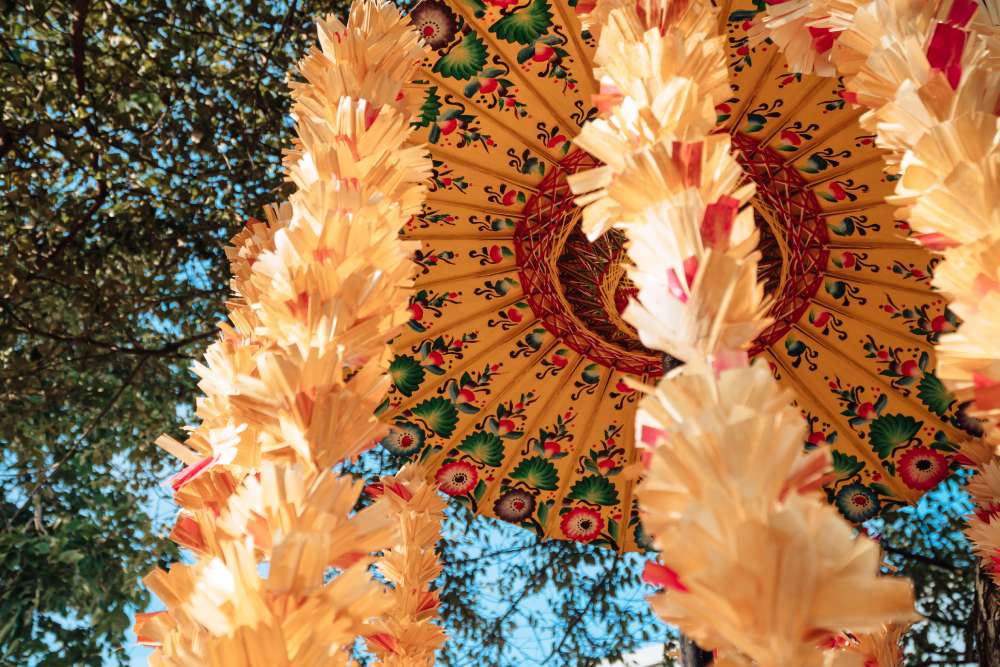
Masters of material application, Jnana’s artists bend, weave and manipulate leaves, rattan, bamboo, ropes, clay, edible materials—even unexpected items—into exciting forms born of imagination. Through online inspiration, fresh contemporary ideas offer unique possibilities. By utilising traditional techniques and sensibilities, they create works that offer greater artistic freedom and satisfaction. Jnana serves as a platform for emerging artists to explore their enormous potential, while giving them the recognition they deserve.
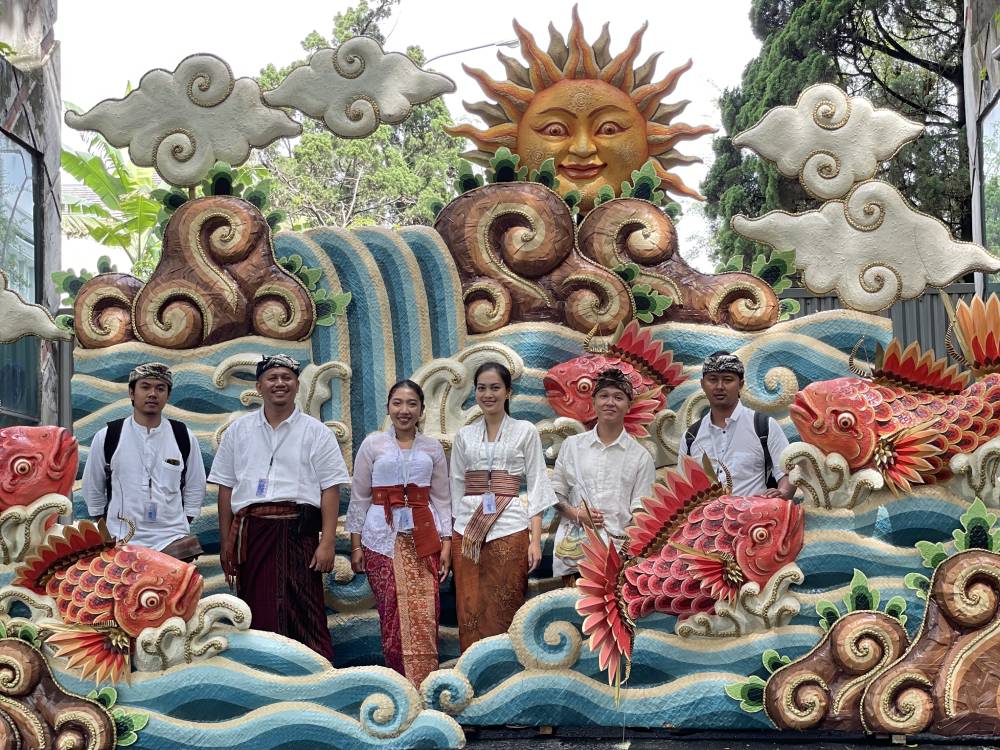
The Jnana Bali collective, established in May 2025, features four artist studios. Udayana Artspace in Jalan Sri Wedari Ubud specialises in leaf weaving and decoration. Saka Bayu’s studio in Tegallalang, north Ubud, focuses on painting and woodcarving. Ady Parwa’s studio near Kedewatan focuses on traditional Tatah metal and silver work, and the fourth studio, Prami Prani (meaning women who can do everything), is a dedicated female vocal, dance and performance studio.
“While the artists all have personal creative philosophies, our collective philosophy is Heritage Reimagined,” Jnana manager Rully Rumantra told NOW! Bali Magazine. “Our core values lie in preserving authentic traditions. Now, however, we are catering to the modern audience through an array of projects including requests for culturally inspired objects and decorations for events, fashion shows, private parties, interior designs and architectural items. We have recently completed a hotel project in Central Java producing ornamental metal window screens.”
Through their participation in Bali’s major design events in 2026, including Ubud Open Studios in June and Jia CURATED’s immersive weekend of craft, design, and cultural displays in mid-August, Jnana has seen significant national and international exposure and driven growing demand for their ideas. At Jia, they were tasked with responding to a contemporary architectural structure via a traditional expression. Prami Prani’s intuitive prowess was showcased during the opening performance for a high-profile Jakarta fashion brand launch at the Amandari resort in Ubud. A special Jnana highlight was creating a barong from alternative natural materials and performing live in front of hundreds of fans with Bali’s grunge-rock icons, Navicula.
A key factor in Jnana’s meteoric rise is the dynamic partnership with manager Rully Rumantra, a former lecturer in art and design in Bandung, West Java. The introduction of professional skill sets and a fresh perspective on re-evaluating the collective’s potential has been crucial to their evolving business model. One of the biggest challenges facing talented, young Balinese creatives is monetising their skills and ideas in fresh, innovative ways to succeed in the marketplace.
“What I shared was how to be authentic and how to preserve their culture, yet how to monetise that into something that is economically sustainable without compromising their true identity. I introduced a way of thinking about what Jnana has as precious,” Rully said. “It’s possible that, with overexposure to certain cultural icons and competition from modern culture, today’s youth may become unaware of the value their own tradition which makes Bali, Bali.”
“For many young Balinese, staring in the face of the extreme modern transformation of their island, with the ever-present lure of contemporary pop culture, traditional culture has become uncool. We must safeguard traditions.”
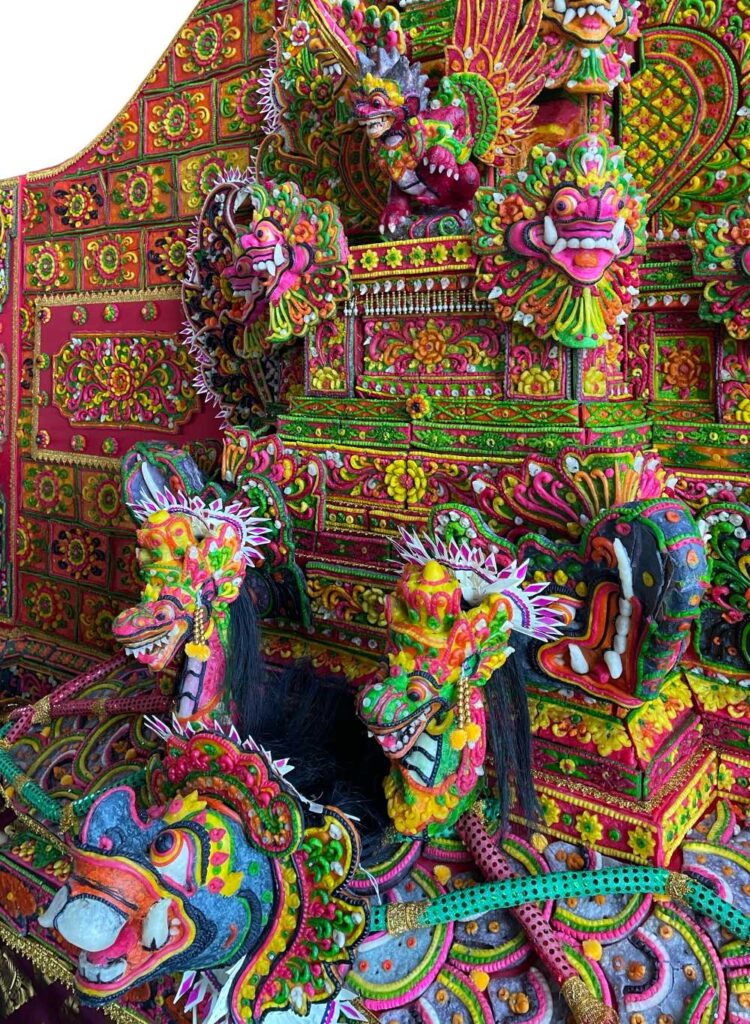
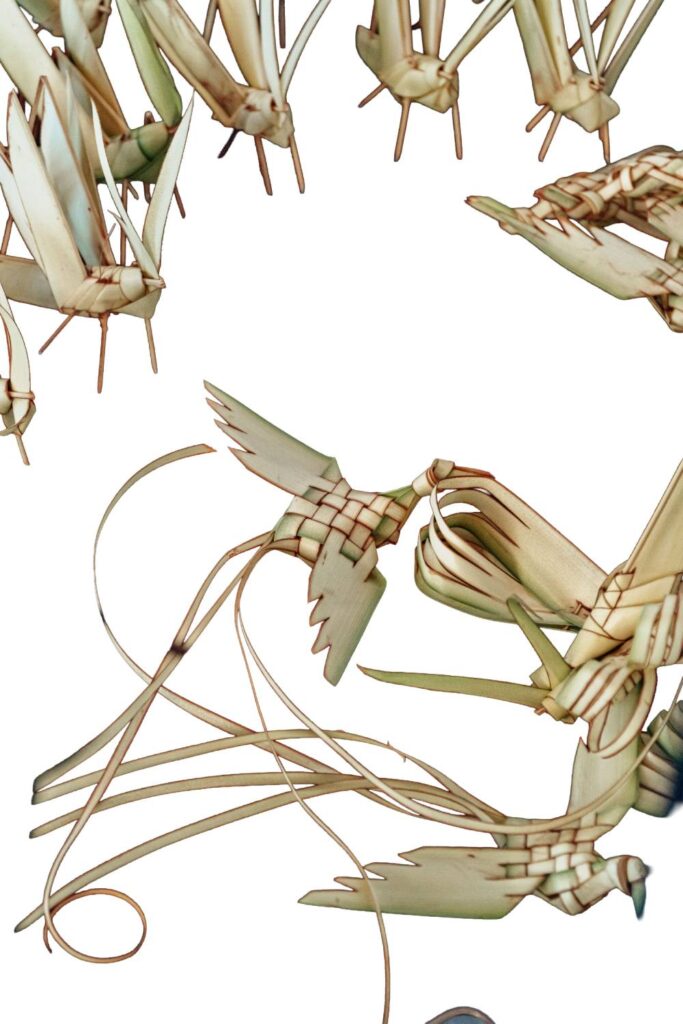
On the left: Traditional palm leaf weaving reimagined, turning traditional tipat into adorable animal.
Photos courtesy of Jnana Bali.
While Rully emphasised that his Balinese colleagues need no help in mastering their artisanal skills, but to create a sustainable business, administration and marketing expertise are also vital. Artists love to work in the studio but often neglect business management. A vision for a potent future is also essential. From each project, a portion of profits goes into a fund that invests in Jnana’s creative potential. In July 2026, the collective flew to Yogyakarta, Java, to visit ArtJog, Indonesia’s premier contemporary art festival.
“Keeping a fresh mindset and widening perspectives is high on the agenda for how Jnana Bali can maintain sustainability.”
To see Bali’s traditional artisanship not only perpetuated but reimagined by the next generation is encouraging. Not only does this preserve age-old practices, it opens new economic opportunities that may yet incentive more young people to value and revaluate their cultural heritage.
Follow Jnana Bali on Instagram: @jnana.bali