

Meet Bayoe Edan, the Digital Dalang of the Modern Age
A shadow puppet master (dalang) goes off-script, off-stage and online, reimagining a traditional medium of social teaching and repurposing it for modern audiences and media. How is Bali resisting the relentless transformation of its original being? The rising tide is indeed from the Sea. In some instances, this manifests as intellectual debate or political manoeuvring;

The Origins, History, and Significance of Keris in Indonesia
Few objects capture Indonesia’s rich heritage like the keris. Distinctive to Java and Bali, this dagger is more than a weapon — it is a ceremonial cultural symbol. Keris are used in many different respects: as weapons, as talismans with magical powers, as sanctified heirlooms, as equipment for court soldiers, as an accessory for ceremonial
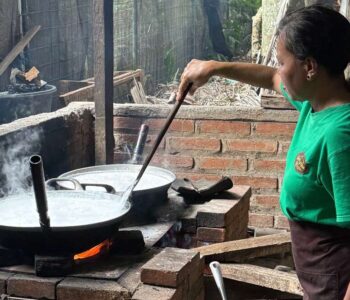
Nandusin & Tlengis: Bali’s Forgotten Flavours & Timeless Techniques
At Warung di Kebun, rare culinary traditions are both served and preserved in the heart of Denpasar. Few plants have had such a long and directly symbiotic relationship with humankind as the coconut. With famously numerous qualities as a source of natural materials, and fruit that offers sterile, nutrient-rich water in a convenient, hard-wearing container, it’s not surprising that
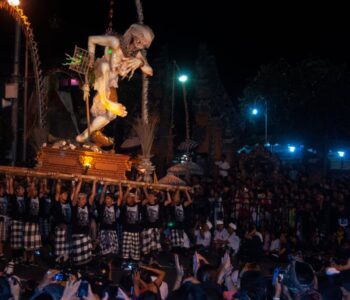
Alchemy of the Soul: The Somya Purifications Ahead of the Balinese New Year
As the ninth month of the Saka Year, Sasih Kesanga, approaches its conclusion, Bali awakens from the prolonged lethargy of the monsoon. Clouds dissipate, and the celestial expanse offers a renewed clarity. It is a season of curious transitions; the Balinese observe that the canine population is in heat (cicing kesanga) and the initial rice cycle
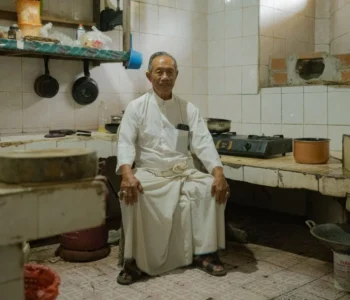
Gusti Nyoman Darta: Culinary Inheritance in Practice
Most traditional Balinese cooking knowledge is not written down. It moves through practice, carried from elders to younger generations within families and banjar. Measurements are not recorded in grams but felt through texture, temperature, and resistance under the blade. Balance is recognised through aroma and memory. Technique is learned through repetition rather than formal instruction.
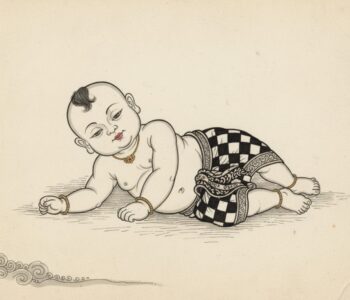
Balinese Reincarnation: A Cycle of New Beginnings
Of course, you’ve heard about reincarnation, right? But my guess is that you have heard about the formal, reformed-Hindu version of it: “You will reincarnate as a dog if you behave like one!” In other words, your future incarnations will be a consequence of your current deeds. Yet, whilst there are some modern Balinese that
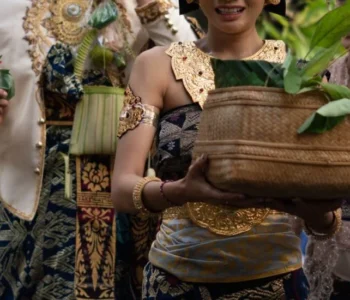
Pawiwahan: The Sacred Union
In Bali, life is marked by ceremony. From birth to death, a Balinese Hindu passes through a series of manusa yadnya, rites of passage, that guide the individual through the stages of existence. The first of which are the many rites that take a newborn baby through childhood, ending with a tooth filing ceremony (metatah).
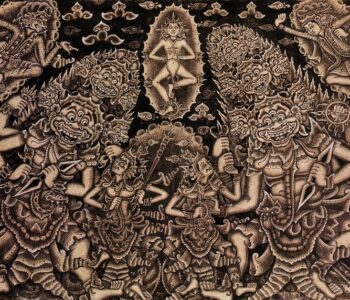
Is Bali Hindu? Part Four: A Name at Last!
BY BRUCE W. CARPENTER In this, the final part in a four-part series, the slow and simmering process finally ends with an agreement on what to name the Balinese religion reaching a conclusion. While orientalist scholars had long before decided that the island was Hindu, the Balinese themselves would only enter the debate with the
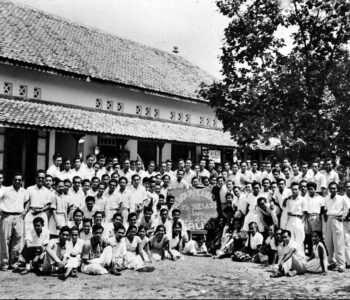
Is Bali Hindu? Part Three: The Rise of the Balinese Intelligentsia
BY BRUCE W. CARPENTER In the 1920s, Bali would experience a new phenomenon, the rise of a western-style intelligentsia who would lay the foundation of a long, contentious debate about Balinese identity and religion. It was a direct result of the Dutch opening government schools with western curriculums in Buleleng Regency, a once proud independent kingdom
A Soul in Limbo: The Curious Case of a Converted Balinese
The beautiful Ani, who rented the room next to Kadek, was a beautiful Madurese woman, but more urgently, she was also the victim of Kadek’s frequent peeping. A reputed scoundrel in Bali, but now a migrant in Jakarta, Kadek had few friends and fewer options of a suitor, but beautiful Ani had captured his imagination.

Asta Kosala Kosali: Ordering Space, Mirroring the Cosmos
Asta Kosala Kosali is the traditional Balinese system of spatial and architectural rules that governs how buildings and compounds are planned, oriented, and proportioned. Though its details vary from village to village, the system provides a coherent grammar for organising the environment—defining not only where structures stand, but how they are approached, used, and understood.
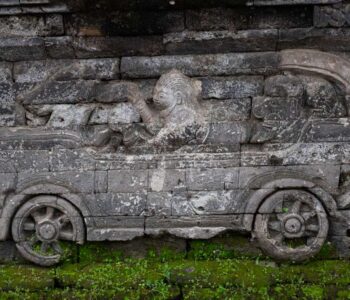
‘Is Bali Hindu?’ Part Two: A Collective Identity
The Balinese only began to take steps to define their collective identity (Kebalian) in Singaraja, North Bali during the first decades of the 20th century. The indirect catalyst of this phenomenon was the incorporation of North Bali into the Netherlands East Indies after a series of violent confrontations that took place between 1846 and 1849. Although

A Guide to Bali’s Architectural Elements
Bali has a strong visual language, seen across the island through its vernacular architecture and iconography found in temple complexes, traditional homes and other heritage-inspired buildings. Here are some of the most recognisable architectural elements that together build the cohesive aesthetic identity of Bali. Candi Bentar The towering split gateway that marks the entrance to