


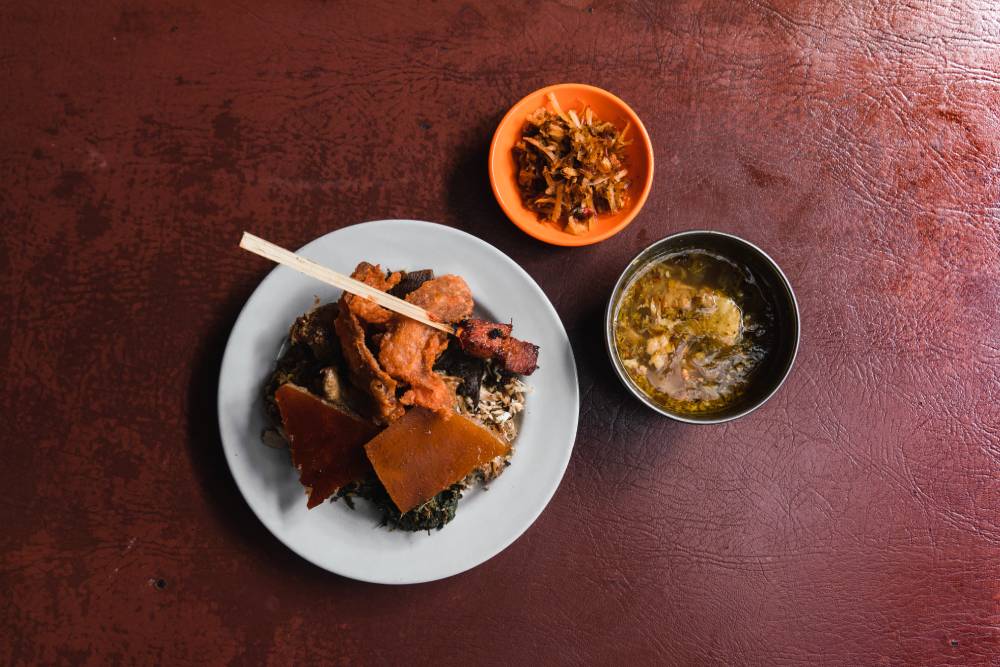
A local cuisine can tell you a lot about a region, so inextricably connected with the environment, history and culture of a given destination. That is certainly true here in Bali, where food and drink transcend what’s served on the table: dishes are tied to ritual and customs, ingredients are sourced from local farming communities, and even traditional beverages have a story to tell.
Of course, the island’s restaurant scene has become world-class, and from Ubud to Uluwatu, the options for dining are abundant – be it a healthy café or a fine dining experience. But for those who want to go deeper into Bali’s more local food scene, who see cuisine as a medium for discovery, there are many opportunities to do so.
Foraging in the Forest
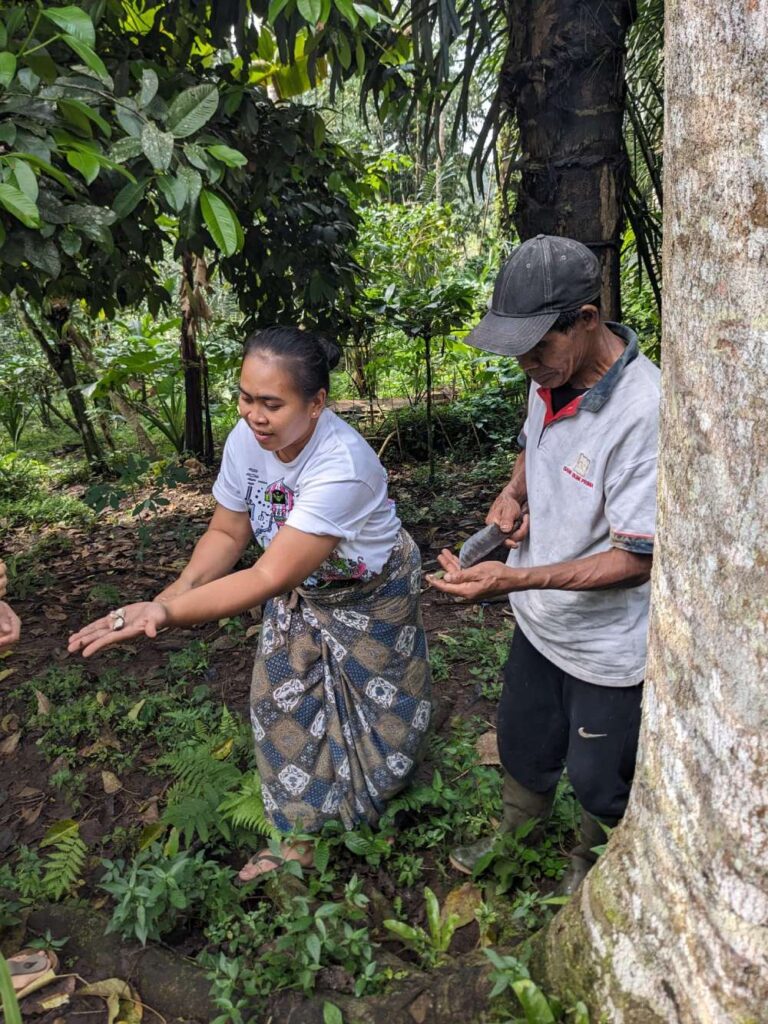
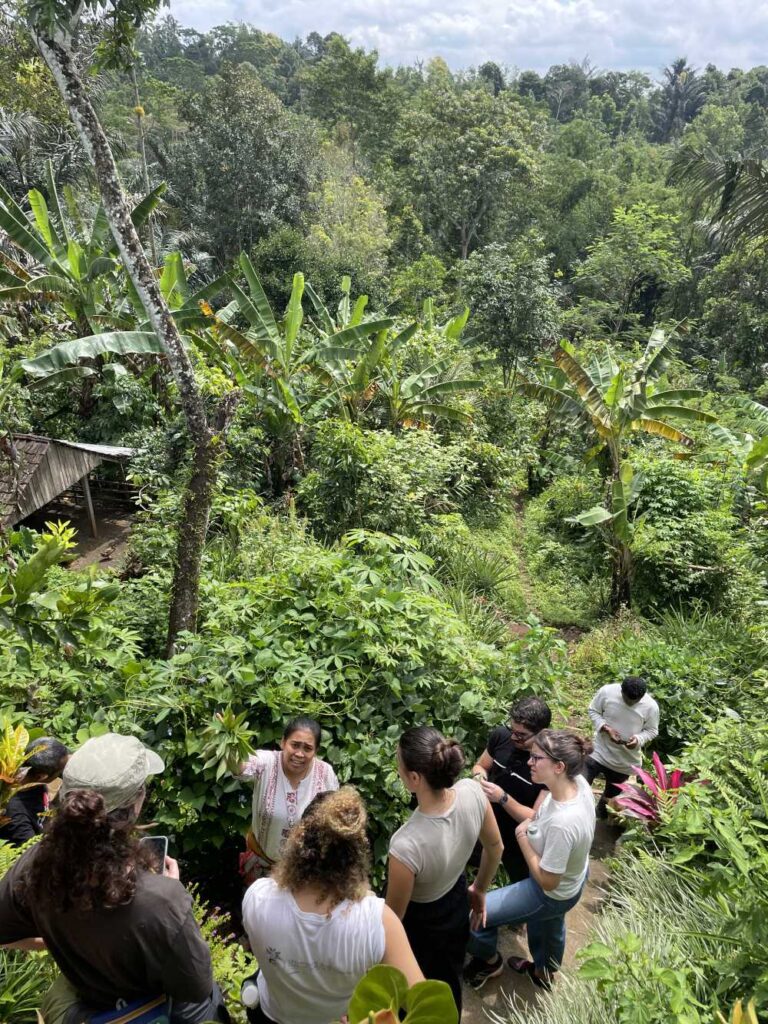
As a modern society, we have become so far removed from the source of our food that we forget that nature is the ultimate provider. On a mission to reconnect people with nature’s bounty, Dewa Ayu Made – better known as Made Masak (‘Made Cooks’) – invites guests on an immersive foraging experience deep in the Balinese countryside.
Made is a chef by training, but her passion has always been ‘food forests’, and indeed the traditional engagements that humans once had with the environment as a source of food. Bali’s traditional knowledge on plants is vast, with lontar manuscripts documenting the properties and uses of plants for centuries. Re-engaging with the environment, with this ancestral wisdom in hand, has become a life’s mission for Made, as she rediscovers what the forests of Bali grow and provide, and the traditional recipes tied to these wild ingredients.
The nomadic chef invites guests to forage with her, to explore the food forests in the Tabanan Regency. As one traverses through the jungle, Made identifies vegetation – many that guests will have never seen before – and imparts her knowledge, all the while collecting fresh, wild ingredients. The lessons continue in the traditional kitchen where Made teaches about traditional Balinese cooking techniques and recipes, and everyone learns to cook with the foraged ingredients.
Finally, of course, a feast – fresh from the forest. The foraging tour typically takes around 5 hours.
+62 881 0373 63915 | @made.masak
Flavours of a North Bali Kitchen
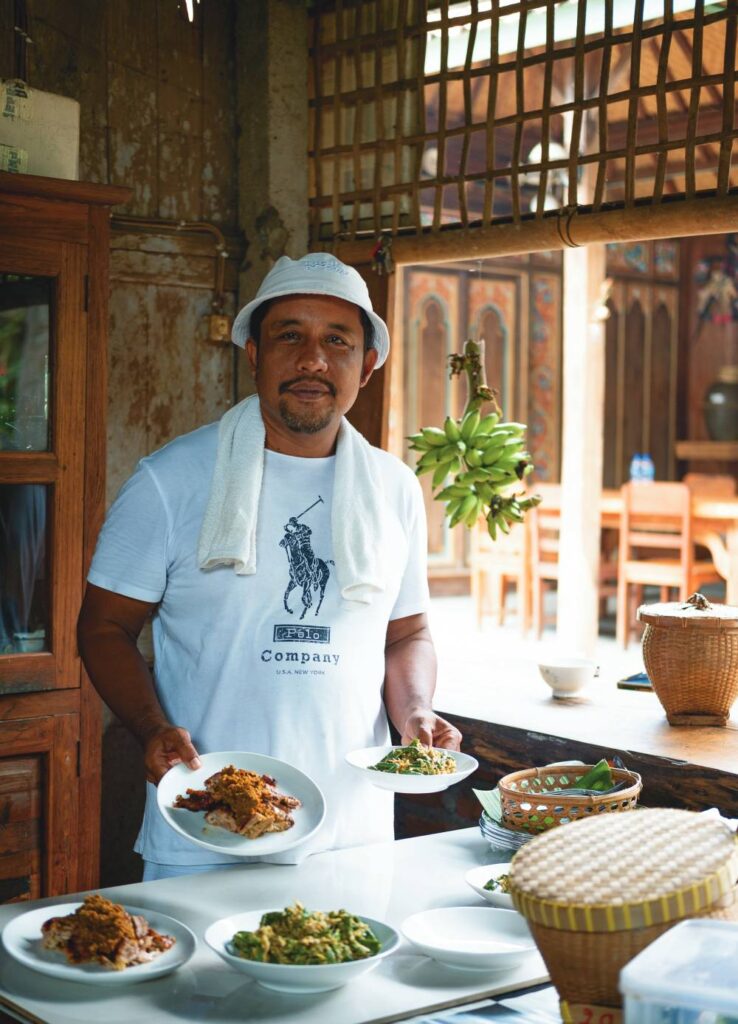
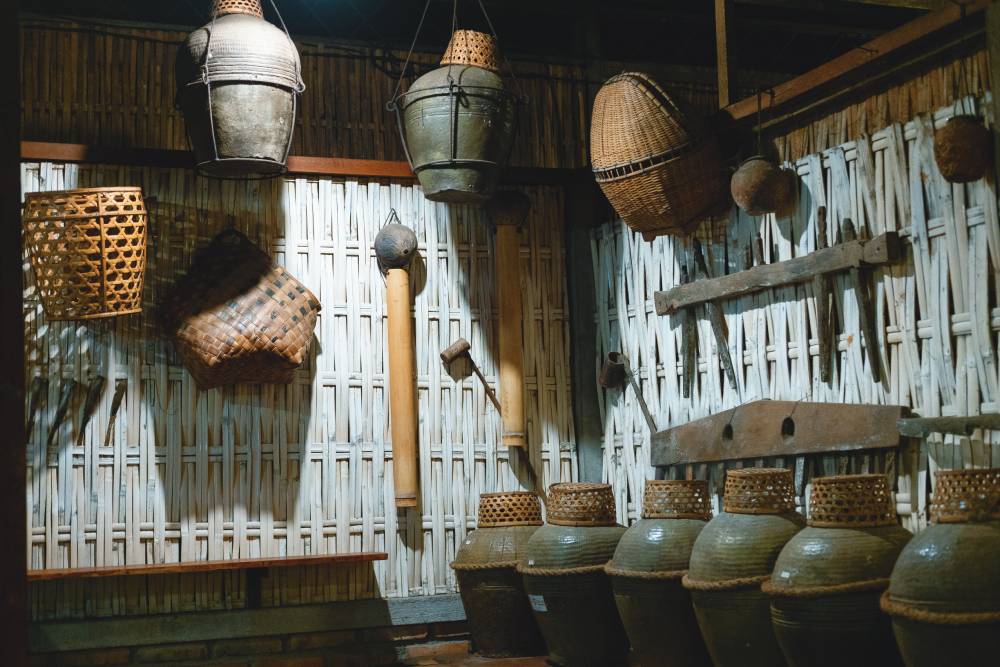
“The kitchen is a holy place”, explains Jero Gede Yudiawan. He points at three different stoves positioned at the centre of his traditional kitchen setup: “This represents the cycle of time: birth, life and death; past, present and future.”
Jero Mangku Yudi, as he is now called since accepting his responsibility as a temple priest (mangku), opened his restaurant Dapur Bali Mula on the foothills that surround Les Village, Buleleng, northeast Bali. It has become a sort of museum for the island’s culinary heritage. Lined along the walls are antique guci, Chinese ceramic jars used to hold his own arak (a local spirit). He makes this in his workshop using an old method, distilling tuak (coconut flower sap) and allowing the arak to trickle down a 12-metre bamboo pole. Here he also cooks his own gula aren (jurah in Balinese), a thick and delicious palm sugar, and also an intensely fragrant coconut oil made the way his ancestors used to.
The traditions of the old Balinese kitchen are on show at this one-of-a-kind restaurant, ‘Bali Mula’ being the term for the island’s original inhabitants. But it isn’t simply the setting: the food cooked and served here aims at representing Bali’s broader culinary offerings. “I want people to know that there’s more to Balinese food than just babi guling [suckling pig]. Here I cook squid, tuna, duck, chicken, all the Balinese way, with some of my own twists. I will always use the produce from Desa Les first, and other parts of Bali.” His dishes and all the produce he makes or uses are a showcase of the island’s incredible bounty, and the traditions used to make them.
In the open-air dining rooms of Dapur Bali Mula, guests are at the whim of Chef Yudi’s daily creations. He cooks a full meal depending on what’s available: fresh-caught tuna from the local Les fishermen; Ayam Timbungan, chicken cooked in bamboo shoots over a fire; Bebek betutu, duck roasted in banana leaves. All are cooked in the rich Balinese spice paste (basa genep), served with fresh sambal matah, and traditional vegetables (urap, lawar) on the side. Afterwards, a sip of his aged arak is poured straight from the Guci jars.
An experience at Dapur Bali Mula is a showcase of not only local recipes, but also the local bounty of what is made from what is caught and grown on the island.
+62 813 3713 0088 | @dapurbalimula
A Taste of Bali’s Street Food
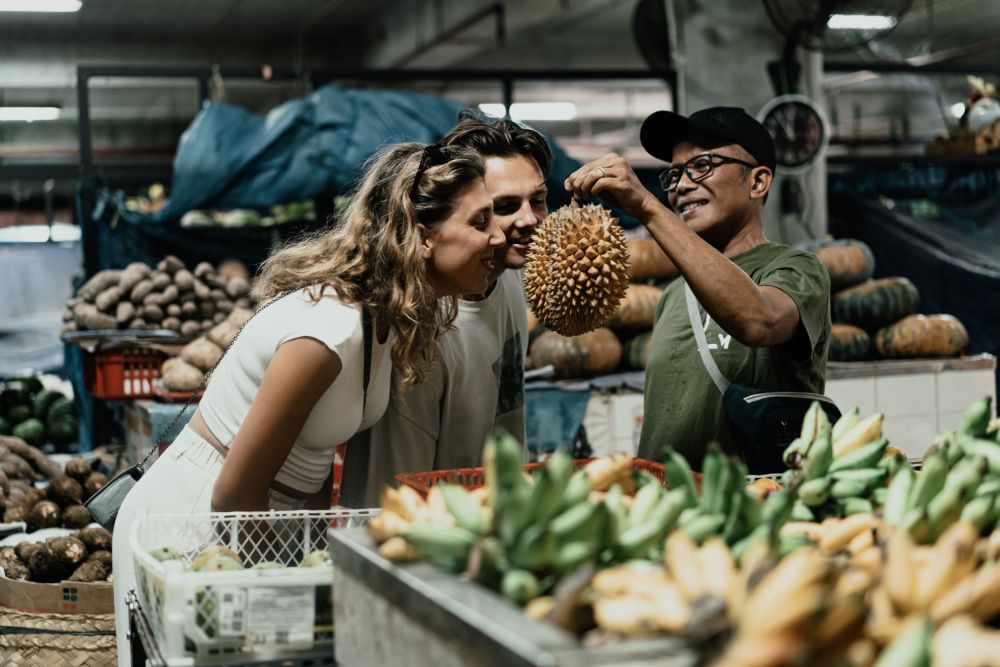
Whilst Bali’s contemporary dining scene continues to evolve, some of the island’s most enticing culinary experiences can be found in the humblest of places: roadside warungs, market stalls and family-run eateries. For those looking to explore this side of Bali’s food culture, The Denpasar Street Food Tour, by Chef Will Meyrick, offers a fun and delicious journey on the streets of Bali’s capital city.
Chef Will Meyrick is best known for his highly popular restaurants across Bali, such as Mamasan and Buzo, but the chef has often credited his travels around Asia and exploring regional street foods and cuisines as his inspiration. Often called the ‘Street Food Chef’, Will Meyrick invites guests on a similar journey here in Bali, through a guided tour of markets and roadside kitchens.
The experience is led by local guide Pak Kadek Miharjaya, a Denpasar native whose intimate knowledge of the city provides context beyond what appears on the plate. Beginning at his family compound, guests are introduced to aspects of Balinese daily life before setting out into the streets of Denpasar. Along the way are visits to bustling traditional markets, long-established coffee shops and beloved local eateries, each representing a different chapter in the city’s food story.
Naturally, there is plenty to eat. From babi guling prepared according to long-held traditions to simple plates of tipat tahu, nasi campur and sate plecing, each dish reflects the influences, ingredients and techniques that define Balinese cuisine. Pak Kadek helps to bridge the significance, history and backstory of dishes and diners, weaving the stories and culture of food into the experience.
The Street Food Tours run as half-day experiences and include transport, guiding and multiple culinary stops. Reservations are required.
@willmeyrick.experiences | willmeyrick.com
Into the Vineyards

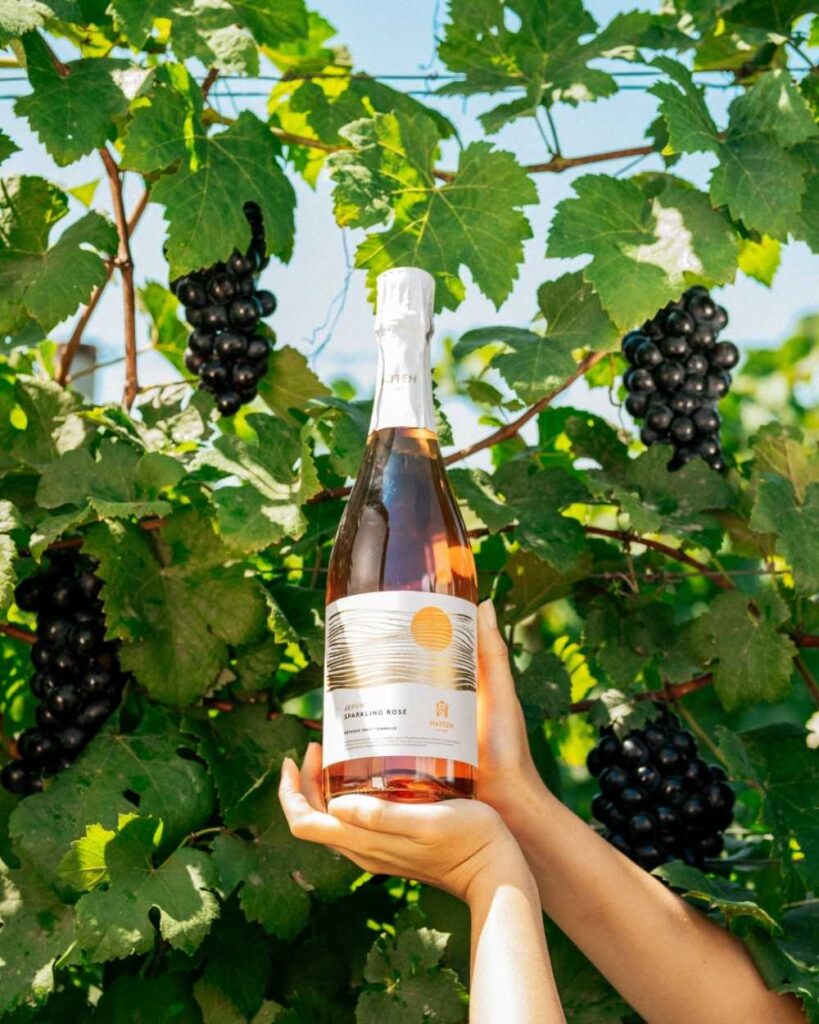
Ever wondered what making wine in the tropics is like? Over 30 years ago, Hatten Wines pioneered the first-ever Balinese wine, using locally-sourced grapes grown in the unique climate and terroir of the island’s northern coastline.
It all began in North Bali, where to this day hectares of vineyards sprawl across the dry lands between the mountains and the sea. Traditionally, Balinese farmers would grow local varieties – like the Probolinggo Biru, Alphonse Lavalle and Muscat St.Vallier – used as regular table grapes, or as offerings in Balinese ceremonies. It wasn’t until Hatten Wines founder, Ida Bagus Rai Budarsa, envisioned a wine grown and produced locally that these grapes were given a new purpose. Three decades later, Hatten Wines is now a staple across the island, opening the way for other Balinese winemakers and brands.
The brand invites guests to explore their vineyards, dotted between the villages of Seririt and Sanggalangit, and to witness firsthand the unique practices of grape growing here in Bali. But this is more than just a vineyard; it is the heart of Hatten’s viticultural research and development, where over decades they have innovated viticultural practices to introduce new grapes to Balinese soil. From Syrah to Chenin Blanc, international noble grape varieties are now grown in Bali. Through the Hatten Wines Vineyard tour, guests will see firsthand the different grapes and grape-growing methods that take place in Bali, and witness the terroir and conditions that give Balinese wine its unique characteristics. Of course, this is paired with a tasting flight of Balinese wines, chosen from a collection of delicate sparkling wines to rosés and a fortified dessert wine.
@hattenwines | hattenwines.com
Authentic Dining in a Balinese Temple
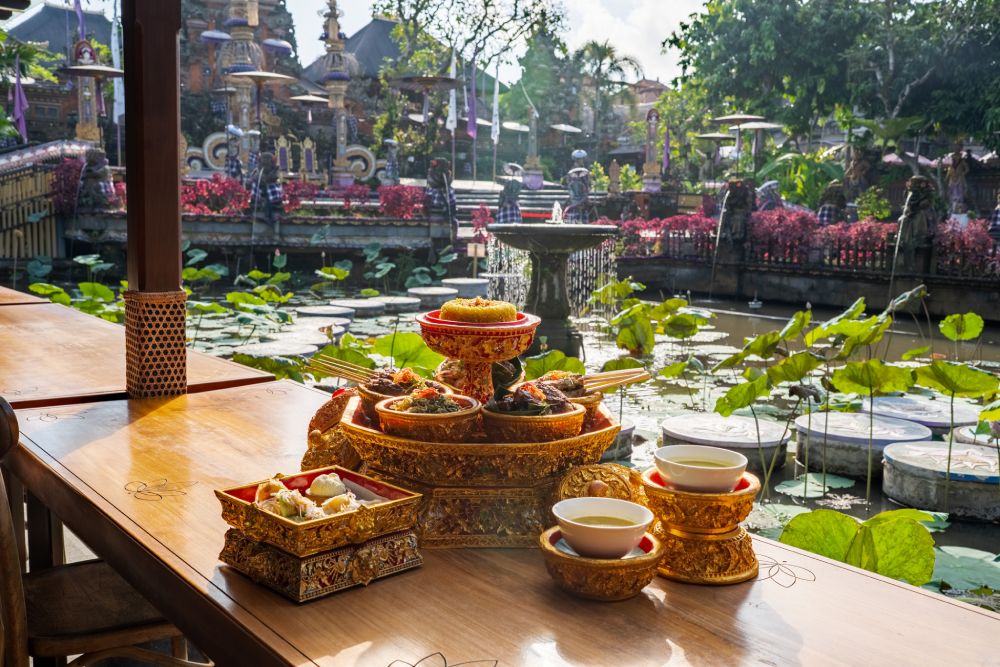
What could be more special than dining with a view of a Balinese temple? The Café Lotus is one of Ubud’s long-standing institutions, first opening in 1983. For decades it has been a favourite venue for travellers exploring the heart of Bali’s cultural capital.
The historic restaurant sits inside the outer compound of Pura Taman Kemuda Saraswati, otherwise known as the Ubud Water Place, overlooking the iconic lotus ponds that stretch towards the temple’s dramatic Kori Agung entrance gates. It is here, with this magnificent view, that diners can enjoy a Balinese dining experience accompanied by traditional performances.
As evening falls over Ubud, the temple entrance transforms into a magical stage, and the sounds of the gamelan orchestra begin to reverberate into the atmosphere. Balinese dances take the spotlight, performances that bring centuries-old stories and mythology to life.
Granted the best seats in the house, diners at The Café Lotus can complement the stage show with the Royal Rijsttafel, an Indonesian feast tradition which serves a smorgasbord of regional specialties all in one serving. This is the Balinese take on ‘dinner and a show’, for visitors looking for a memorable dining experience in Ubud. But cultural experiences go beyond this evening showcase, with The Café Lotus also opening its doors for cultural workshops, from Sacred Dupa (Incense) Making, Crafting Canang Sari, and Lontar Palm Leaf Writing.
+62 361 975 660 | @thecafelotus | thecafelotusubud.com