EVENTS
“Dealing in Distance” Travelling Mini Festival
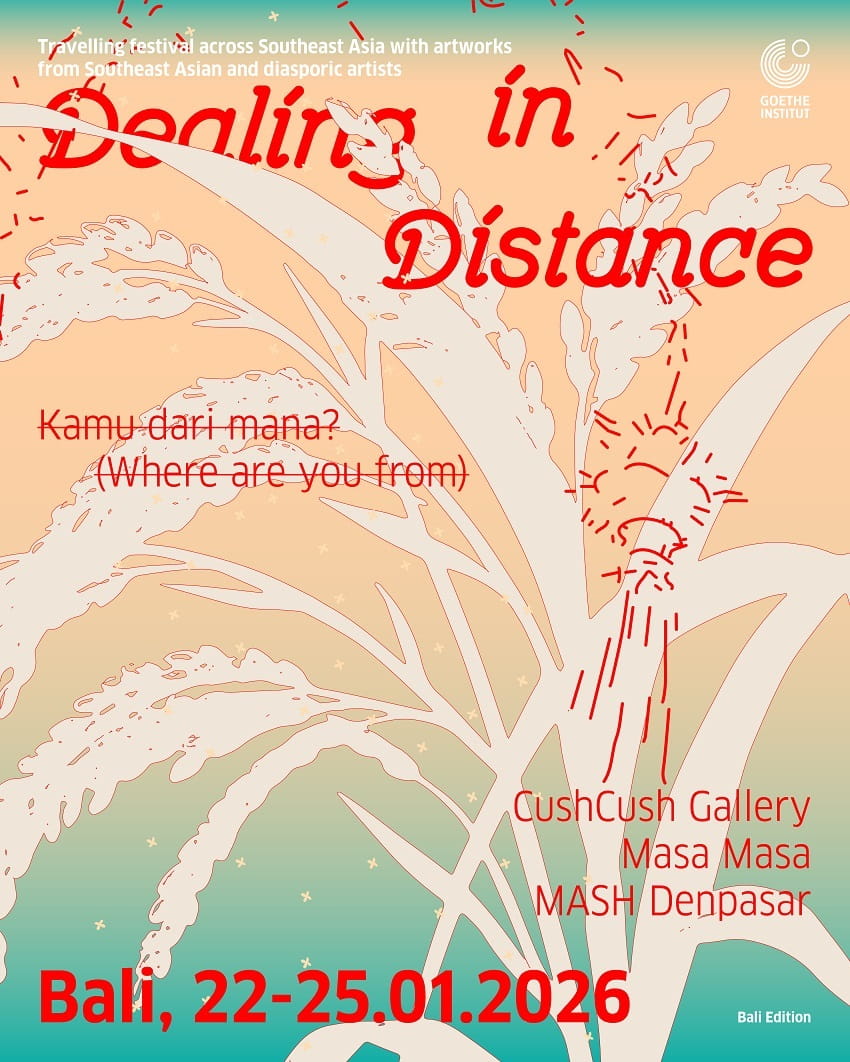
Organised by Goethe-Institut, “Dealing in Distance” makes its way to Denpasar from 22-25 January 2026 across three venues: CushCush Gallery, Masa Masa, and MASH Denpasar. The travelling mini festival presents over 20 public programmes, featuring more than 30 Southeast Asian diaspora artistic contributions.
This edition in Bali follows the festival’s previous stops in Hanoi and Ho Chi Minh City, Vietnam, in the first two weeks of January, continuing its exploration of diaspora, migration, and identity in distance. Conceived as a platform for research-based practice, “Dealing in Distance” understands knowledge as an ongoing process rather than a fixed conclusion, moving between local and global contexts.
Bali provides a critical lens to reflect on belonging beyond fixed definitions, shaped by plural worldviews, histories of migration and tourism, and ongoing negotiations between tradition and contemporary experience. Within this context, Bali is an active site where historical layers and contemporary negotiations intersect, which resonates with this edition’s concept: “KAMU DARI MANA? (WHERE ARE YOU FROM?)”.
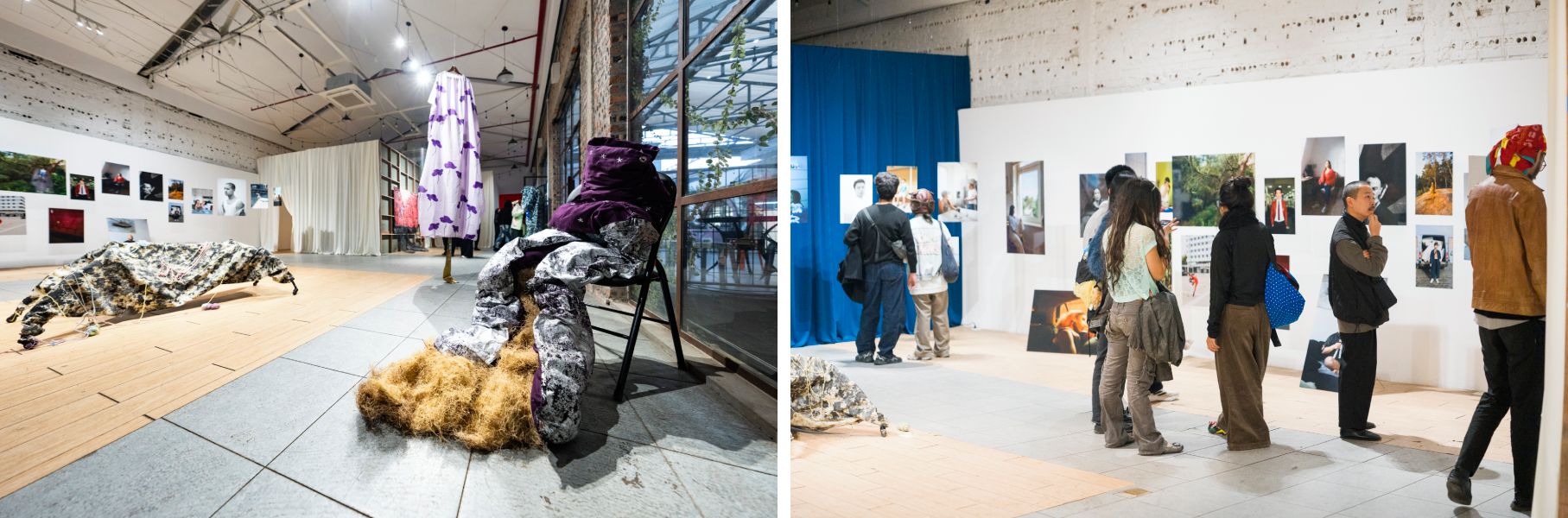
Foregrounding the emotion from migrant and local encounters – amid cultural globalisation, mass tourism, and social vulnerability, a selection of Balinese artists enacts their aesthetic and political positions across generations and regions. Moving across Bali, to acknowledge the multiplicity of stories and perspectives that exist in the exiles, a range of performances echoed by the Southeast Asia diaspora:
• Before the Pulse Fails by Wayan Gde Yudane and Putu Septa presents a sonic experience that captures the intersection between living tradition and the risk of rhythmic rupture.
• The collaboration between Don Rare Nadiana and Wulan Dewi Saraswati in Mengguh Les: Exploring the Diversity of Flavours in Bali employs taste as a medium to convey Bali’s long civilisational history.
• Woven Kolektif, an artist collective based in Australia and Germany with diasporic connections to Indonesia, engages with collective memory to shape broader dialogues around shared histories in their audiovisual and tactile works.
• A performative reading of Thelma and the Vixen by Nelden Djakababa Gericke, grappling with a Filipino middle-aged woman’s grief and the struggle of menopause, accompanied by a poet and dancer, Putri Minangsari and a sound composition by Bilawa Ade Respati.
• Sarnt Utamachote, together with Plum and Gula Malacca, presents the long durational, five-hour performance “Girls gotta do what girls do?“, offering a critical reflection on where global tourism, labour migration, and service economies intersect with the commodification of intimacy.
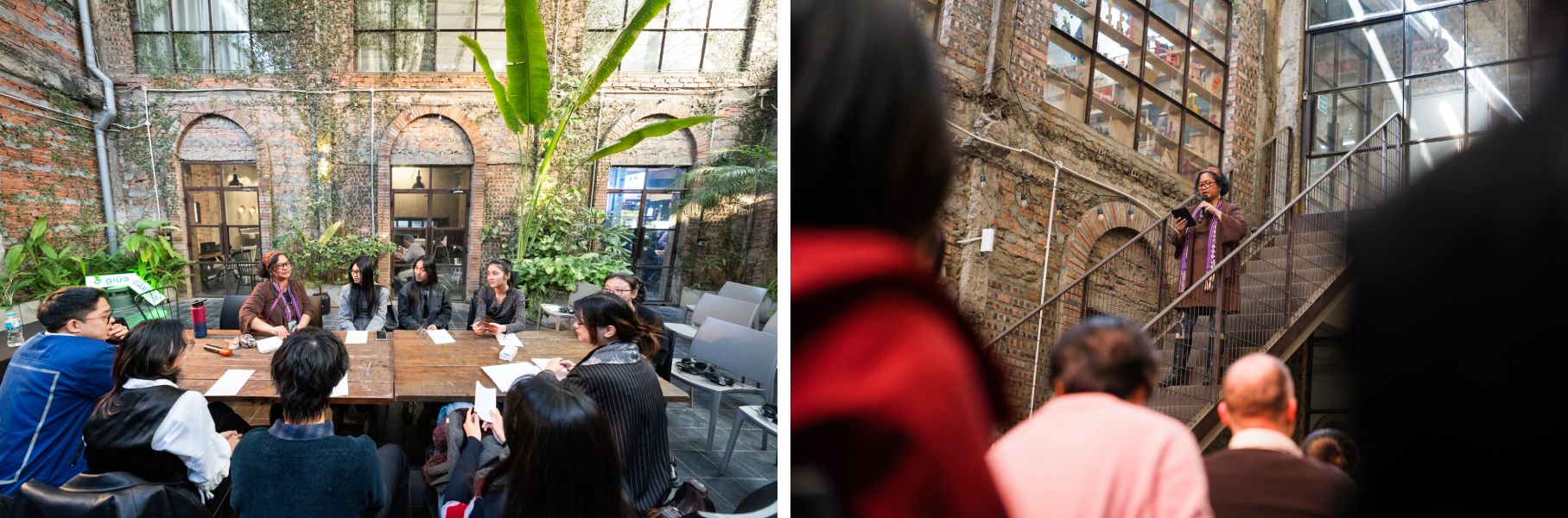
“Aligned with Goethe-Institut’s commitment to dialogue and mobility, Dealing in Distance unfolds through a range of public programmes, presenting encounters—often uneven and unresolved—between contemporary Southeast Asian diasporic, Indonesian, and Balinese artists. By bringing these diverse perspectives together, we hope to spark reflection, exchange, and new ways of understanding cultural connections in an increasingly mobile world,” said Dr. Marguerite Rumpf, Regional Head of Cultural Programmes at Goethe-Institut Southeast Asia, Australia and New Zealand.
Wayan Sumahardika, local curator, stated, “Dealing in Distance invites artists and audiences to experience Bali not merely as a paradisiacal tourist destination, but as a social and artistic laboratory where diaspora, history, and mobility converge. Against the backdrop of rapid tourism development and Bali’s global imagery, the programme raises a critical question: is there such a thing as an authentic Balinese identity?”
For more information, visit goethe.de/indonesia/dealingindistance.

OTHER UPCOMING EVENTS