
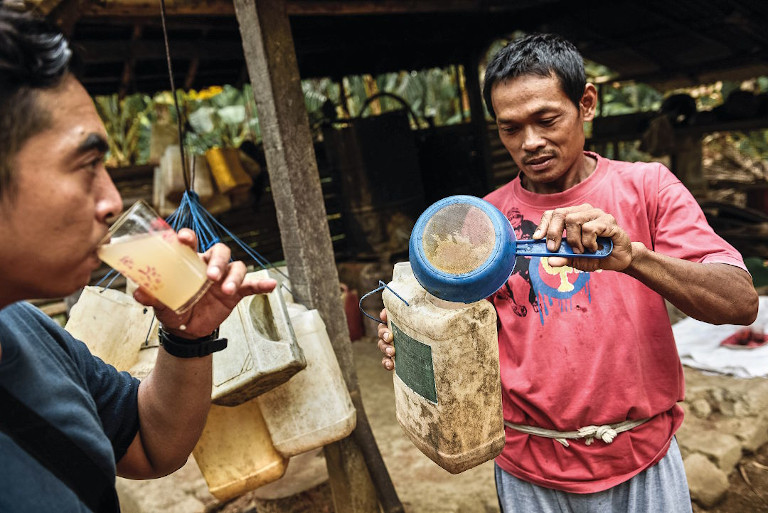
Arak For Life
In Bali, ’arak’ isn’t just an ordinary traditional spirit, but a means of religious tradition as well as the daily livelihood of its farmers. One of the traditional producers are in the village of Tri Eka Buana, Karangasem regency. 336.5 hectares rich with coconut trees, which are considered to trees of blessings, as many parts
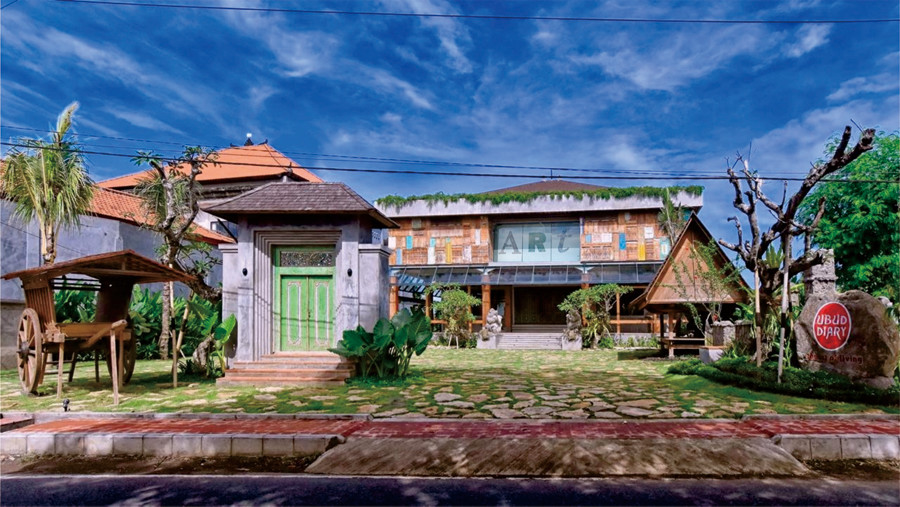
Ubud Diary : Bali’s Newest Art Gallery Showcasing the Ubud Style
A new art gallery and cultural landmark, Ubud Diary, has opened in Lodtunduh – just south of Ubud – presenting a collection predominantly exhibiting paintings of the Ubud style. Ubud Diary held its grand opening on the 30th of November, 2019, coinciding also with a book launching of ‘Ubud Diary: Celebrating the Ubud School of
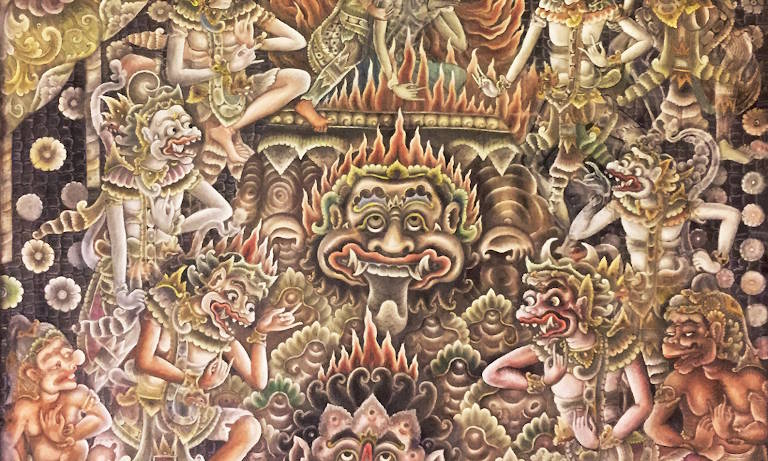
Widow Sacfrifices and other Suicides in Bali
It is a mistake to think that only bearded men with gleaming eyes seek ‘paradise’ by blowing themselves up in the middle of a crowd. Like it or not, Bali too has its own traditions of horror-inspired paradise seekers. Let us give it a look. Widows’ Sacrifice The most famous of these traditions relates to
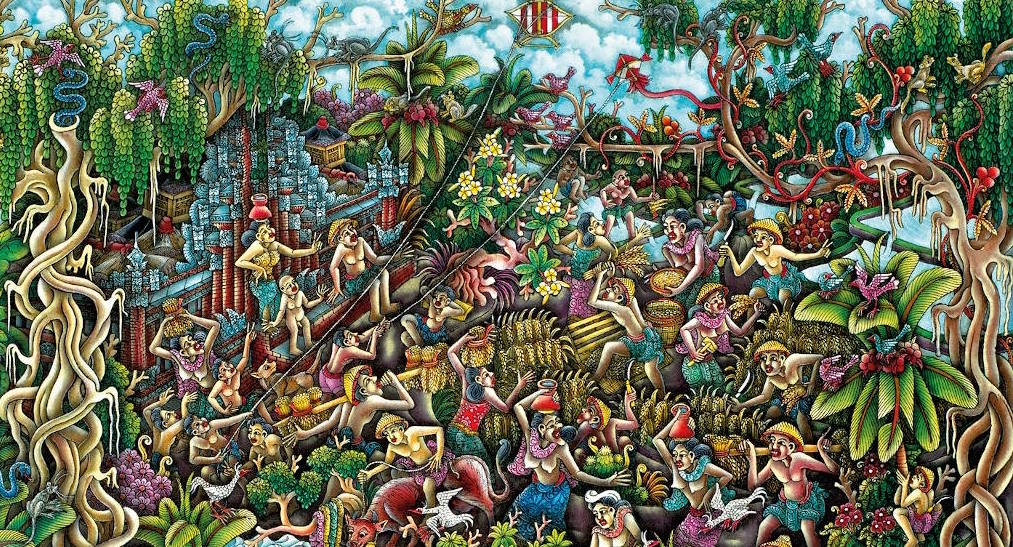
Images of Industriouness in Bali’s Batuan Paintings
This month’s painting is a very large work on canvas – 200 cm x 125 cm – by Ida Bagus (IB) Putu Padma. The image to the right is just a detail of the entire painting. The artist who created this vibrant canvas is a member of a family of well known painters. His grandfather
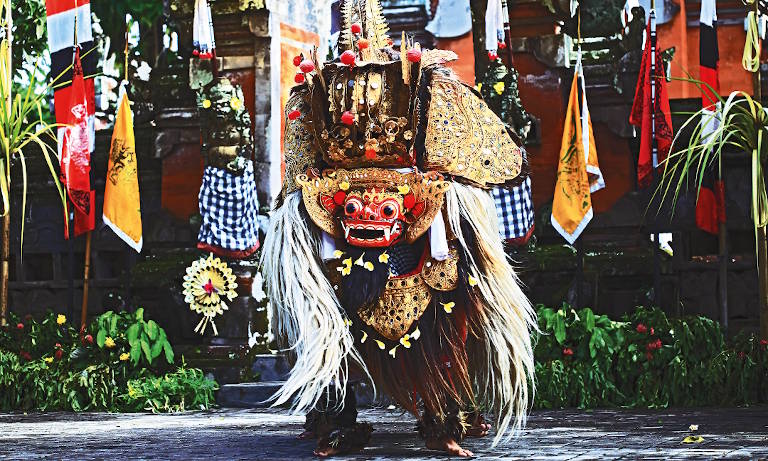
The Philosophy of the Barong Dance
The Balinese believe that we were born with suka duka lara pati, which means that in life we go through happiness and sadness, and at the end death is absolute. This duality of life is like two sides of a coin, they are inseparable. There is also a strong belief that light will eventually come
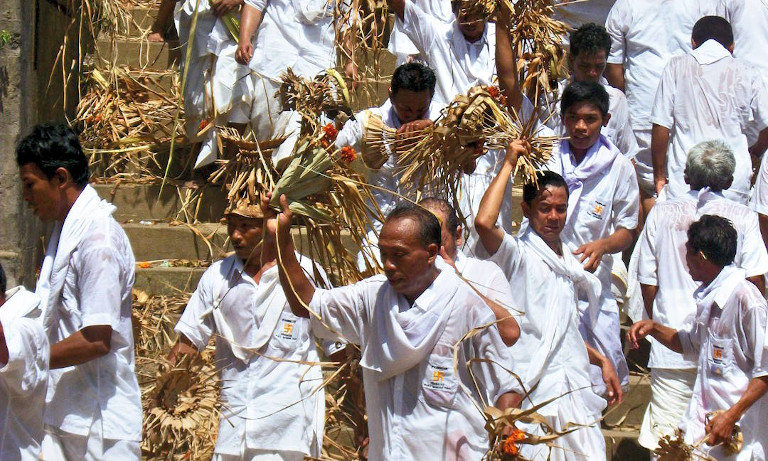
Complexities of the Banjar Community in the Modern World
Massive development has in many ways changed the landscape of Bali from being the home to an agricultural society to a now bustling tourism industry. The establishment of posh restaurants, luxury resorts, and glittering night clubs have led to many mistaking Bali as Indonesia’s capital of hedonism, not Hinduism. But if you look past the
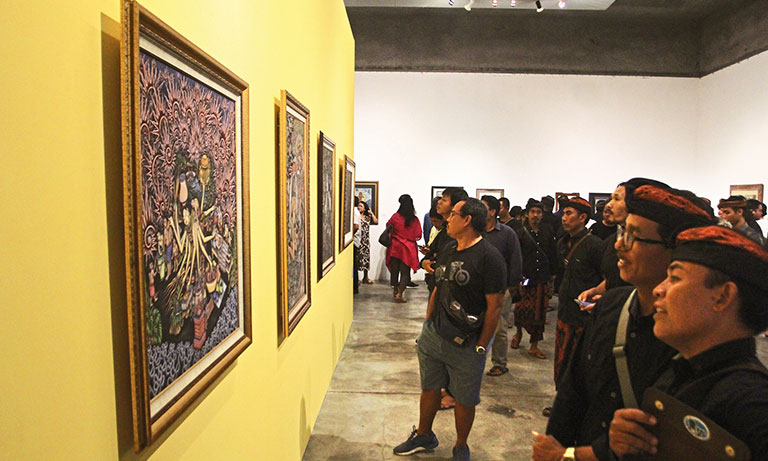
Bentara Budaya Bali Cultural Centre: Bridging Traditions with the Now
Bali is a unique meeting point between tradition and modernity. One of its distinctions is its fascinating culture that is, however, under increasing pressure from outside influences and the Indonesian nation-state. Sited in Sukawati, on the main link from Denpasar east to the regency of Karangasem BentaraBudaya Bali Cultural Center plays a vital role in
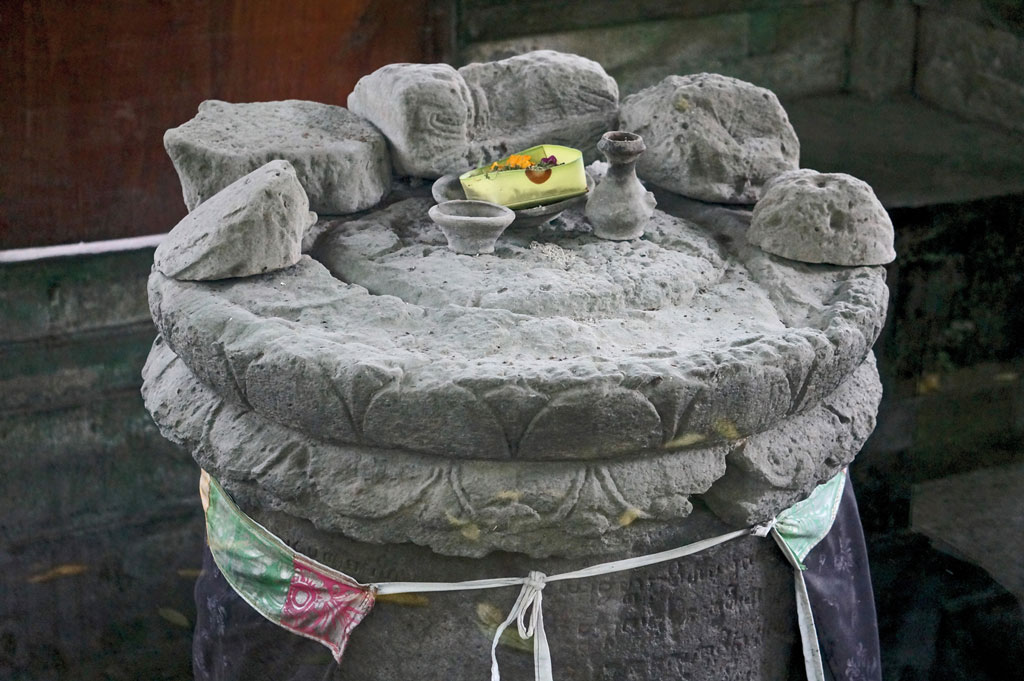
Prasasti Blanjong Pillar: Ancient Inscriptions in Sanur
A small monument known as Prasasti Blanjong, was carved from a single solid stone pillar that measures around 70 inches and 32 inches in diameter. It is one of the oldest manmade artefacts in Bali that dates back to the 10th century, only found in 1932. It commemorates the victory of King Kesariwarmedewa of Bali’s
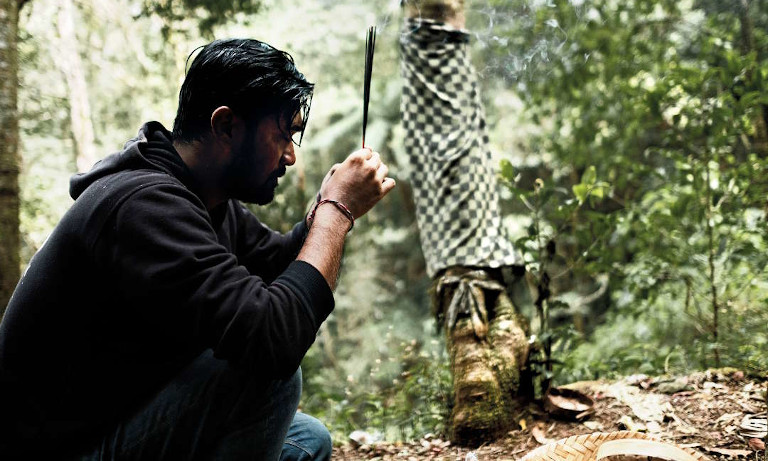
Holy Offerings: The Real Life Practice of ‘Yadnya’
The Balinese Hindu believe that we can balance the spiritual, human and environmental through ‘yadnya’, the holy offerings. This is intimately intertwined with rituals and the instruments involved. An unusual dry season, flooding, water scarcity, air pollution, all of these are good reasons for a big ritual, often seen as a way to overcome the
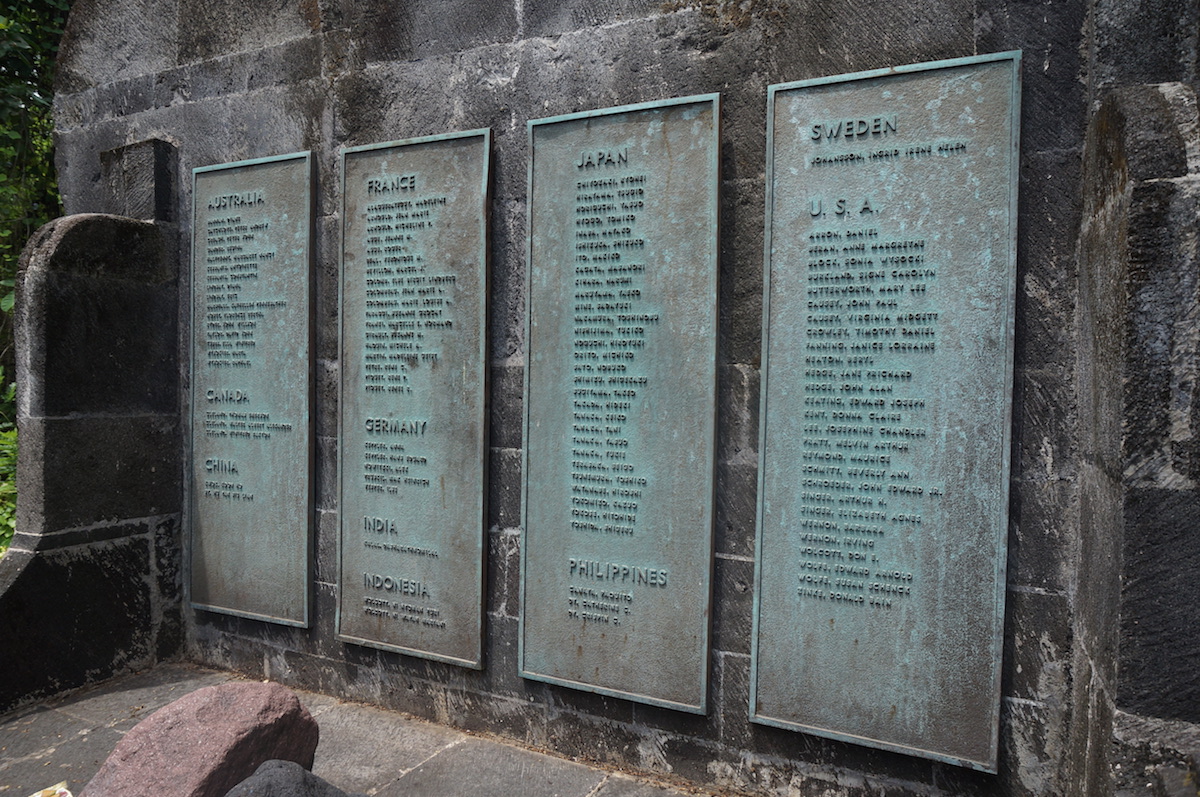
Pan Am Monument in Bali : Commemorating a Tragedy
Driving north from the main hub of Sanur to the quiet Padang Galak area, a memorial monument of a fatal Pan American flight accident nestled in quite a hidden spot behind abandoned buildings. In 1974, a Pan American flight flying from from Hong Kong to Sydney with a scheduled transit in Bali, crashed in the
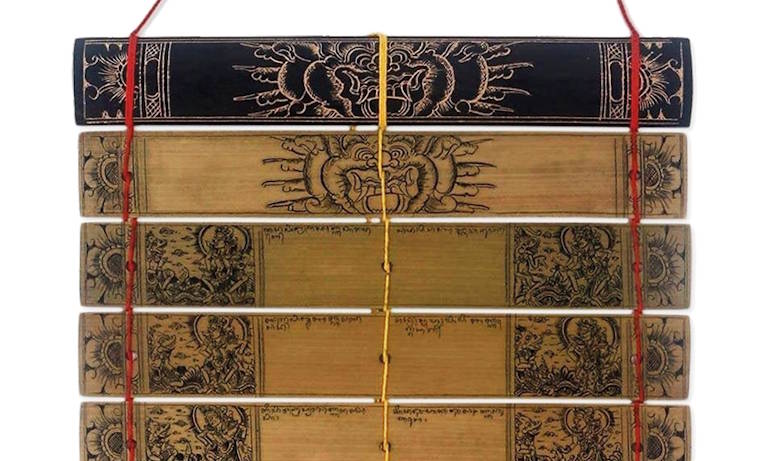
How Do the Balinese Choose Their ‘Auspicious’ Days?
Here in Bali, a joyous occasion will turn to misery if not celebrated at the right time. It is of utmost important, therefore, that an auspicious day is chosen very carefully for ceremonies and rituals. Never will a Balinese person hold a ceremony without consulting a specialist (in most cases, a priest) to determine the
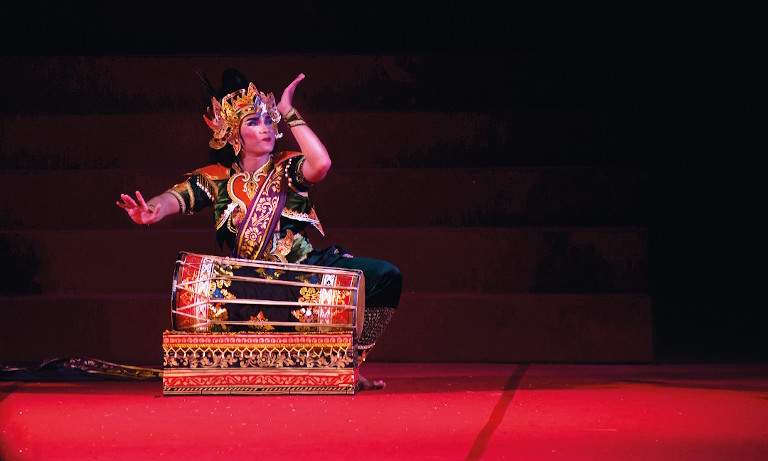
Prana Bhawa : A Dance for the Energy of Life
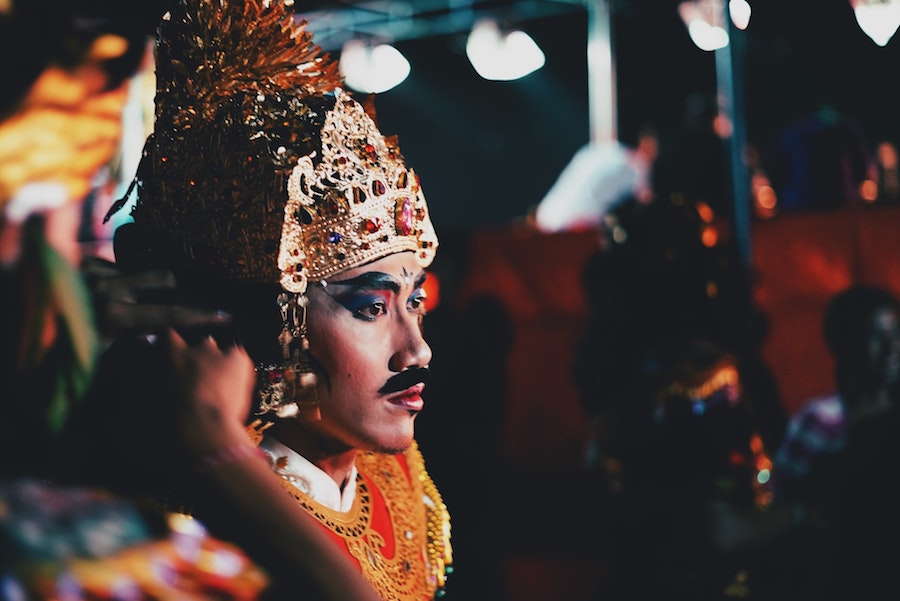
The Balinese have mesmerised thousands with their performing arts. In an age of modernisation and globalisation, where tradition is losing its appeal among the youth, the Balinese continue to find celebration in their heritage arts and culture. Where this is still seen is in Balinese dance and gamelan (traditional orchestra), which are central components of
Changing Caste and Clan in Bali
Traditionally the key element of the Balinese religion is not the Hindu gods, but the ancestors. It is to these ancestors that people address their daily prayers. Whenever sons create a new family in a new location, they set up a new family temple or sanggah. From here, they add successively from generation-to-generation: the sanggah