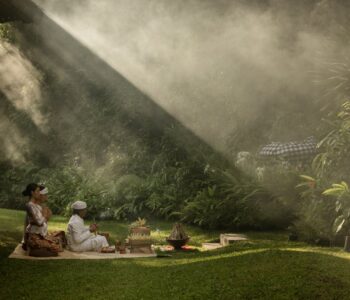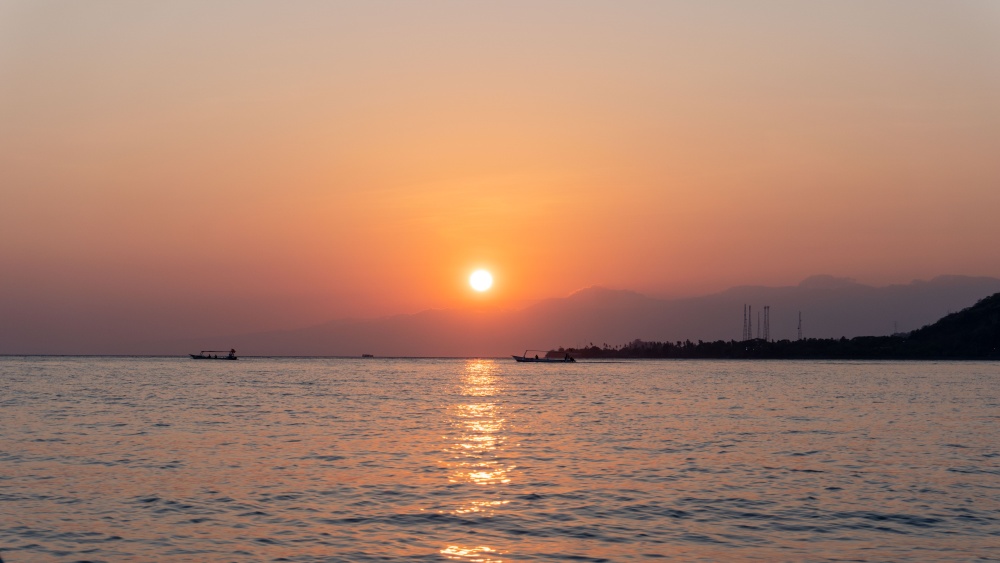
On Bali’s northwestern coast, where dry hills roll towards the sea and black-sand beaches meet clear blue waters, life moves at a gentler pace. Far from the busy streets and beach clubs of the south, Pemuteran offers a different side of the island, shaped by its coastal landscape, close-knit community, and a longstanding commitment to protecting the natural environment.
Located in Buleleng Regency, a little over three hours from South Bali, the small fishing village of Pemuteran is a compelling destination for those willing to venture beyond Bali’s more familiar tourist centres. Its appeal lies not in a packed itinerary of attractions but in the chance to slow down, spend time outdoors, and discover a quieter rhythm of island life.
The surrounding landscape is what makes Pemuteran stand out. Arid hills frame the coastline, while the offshore waters form part of a marine environment that has become an important focus of conservation.
Here, environmental conservation and everyday village life go hand in hand. Visitors can spend the morning exploring coral restoration sites, the afternoon wandering between temples, and the evening watching the light fade over the sea. For those looking to experience Bali at a slower pace, Pemuteran makes a compelling case for heading north.
Pemuteran Beach and the Biorock Project
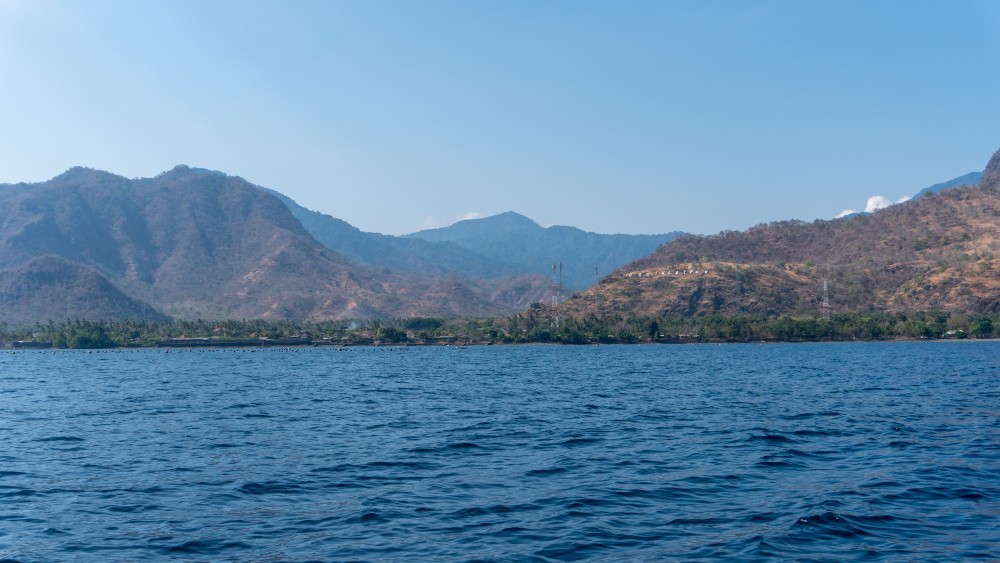
Pemuteran Beach is a natural starting point for exploring the area. The coastline stretches beneath rolling hills, with dark volcanic sand and pebbled sections lending it a different character from Bali’s more familiar southern beaches. It is a place for a casual walk, a quiet morning by the water, or simply sitting back to take in the surrounding scenery.
The sea is one of Pemuteran’s main attractions, particularly for snorkellers and divers. Unlike destinations where reaching the reef requires a boat trip, parts of the underwater landscape here can be explored directly from the shore, making it easier to discover the marine life just offshore. Conditions vary with the weather and tides, so it’s worth checking locally before heading into the water.


Beyond its natural beauty, Pemuteran’s coastline is home to an ambitious conservation initiative that has helped shape the village’s identity: the Biorock coral reef restoration project. Launched in 2000 by scientists Professor Wolf Hilbertz and Dr. Thomas J. Goreau, alongside local advocates including I Gusti Agung Prana and Komang Astika, the project aimed to restore marine habitats damaged by destructive fishing practices and other environmental pressures.
The Biorock method uses low-voltage electrical currents passed through submerged metal structures to encourage limestone-like mineral deposits to form. These provide a surface for coral fragments to grow and marine life to flourish. The structures are sometimes formed into unusual shapes, giving the underwater landscape an appearance that sets it apart from a conventional coral reef.
With over a hundred structures reported along the Pemuteran coastline, visitors can explore the project and its underwater habitats through snorkelling and diving. Educational visits can also offer further insight into the community’s ongoing conservation efforts.
Pura Melanting: A Temple for Prosperity
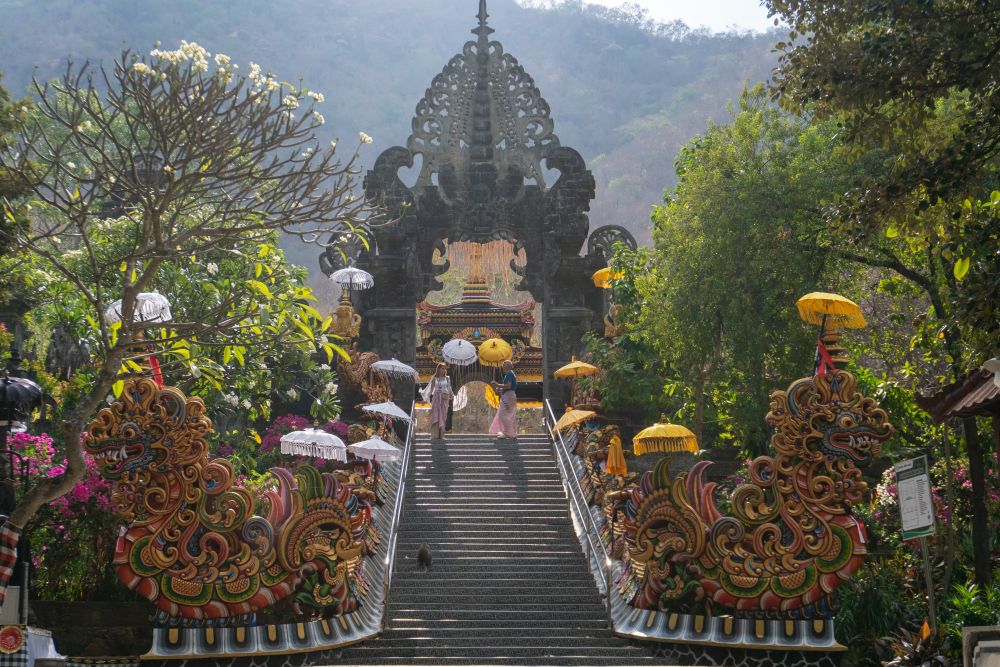
Away from the beach, Pemuteran and its surroundings offer another kind of exploration through their temples. These sacred sites provide a glimpse into the spiritual traditions that continue to shape daily life in Bali, each with its own atmosphere, stories, and significance for the local community.
One of the most striking is Pura Melanting, located among the hills of North Bali. The entrance itself immediately makes an impression, with a staircase framed by vividly carved mythical dragons leading visitors towards the temple complex. The surrounding landscape lends the site a separation from the everyday world, making the journey up feel like a transition into a more contemplative space.
Pura Melanting is closely associated with commerce, trade, and prosperity. Balinese Hindu devotees, particularly merchants and business owners, come here to pray for success in their work and the smooth running of their livelihoods. The spiritual significance is connected to Ida Ayu Swabawa, revered at the temple as Ida Bhatari Melanting.
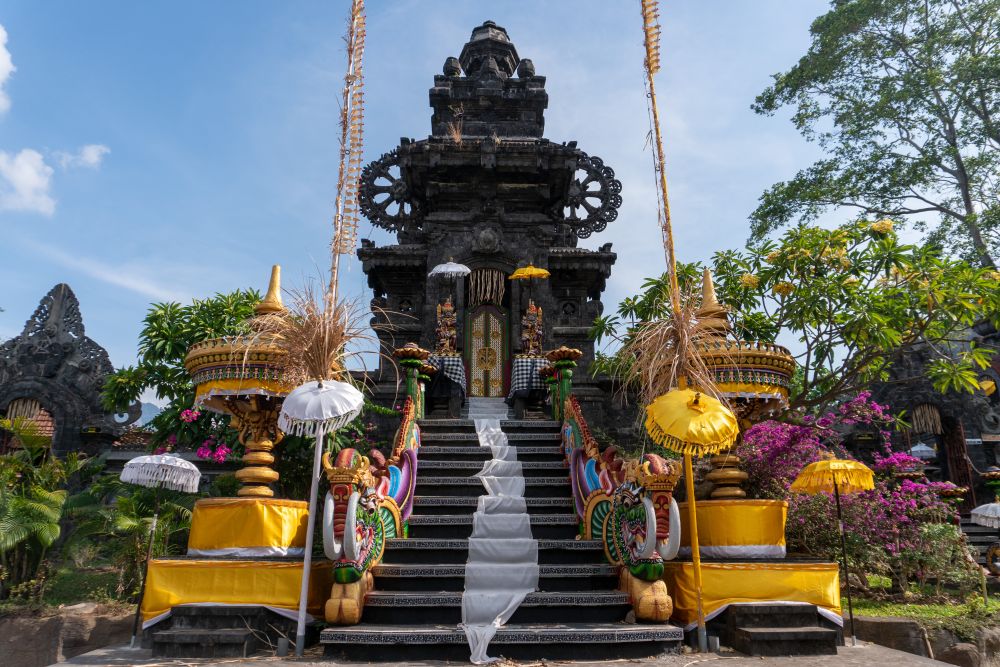
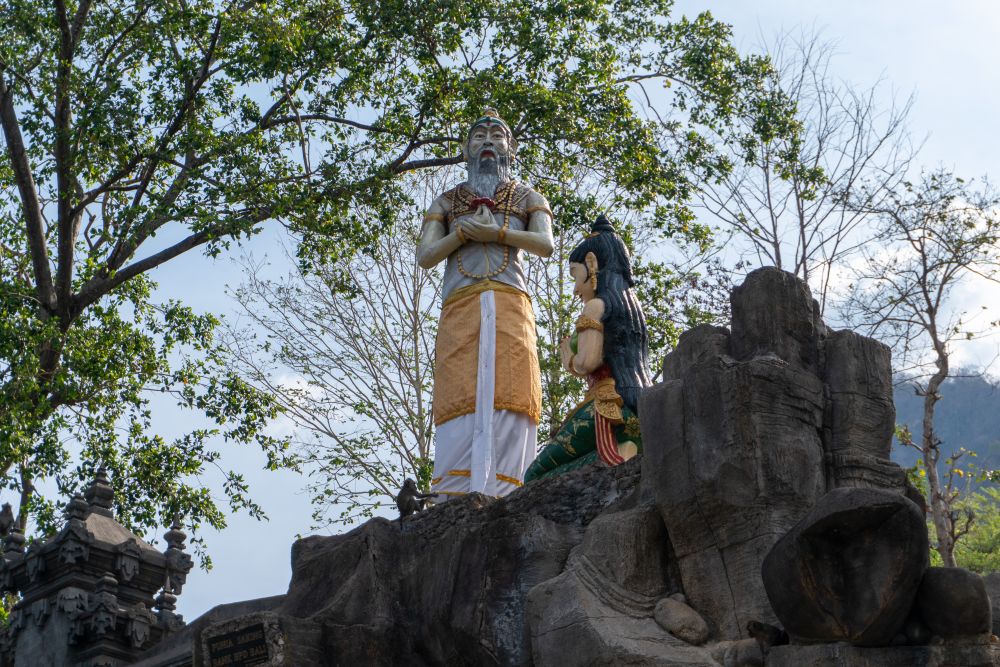
Local legend links the temple to the family of the revered Hindu priest Dang Hyang Nirartha, whose travels through Bali are associated with several important religious sites. According to the story, his daughter became a successful trader and helped establish a thriving commercial community. Today, this connection lives on through the prayers of those seeking guidance and prosperity in their business affairs.
Even for visitors without a particular religious purpose, Pura Melanting is worth experiencing for its distinctive architecture, intricate carvings, and peaceful hillside setting. As with all Balinese temples, respectful attire and behaviour are essential, and visitors should follow local guidance on access to sacred areas.
Pura Pabean: The Temple Above the Sea
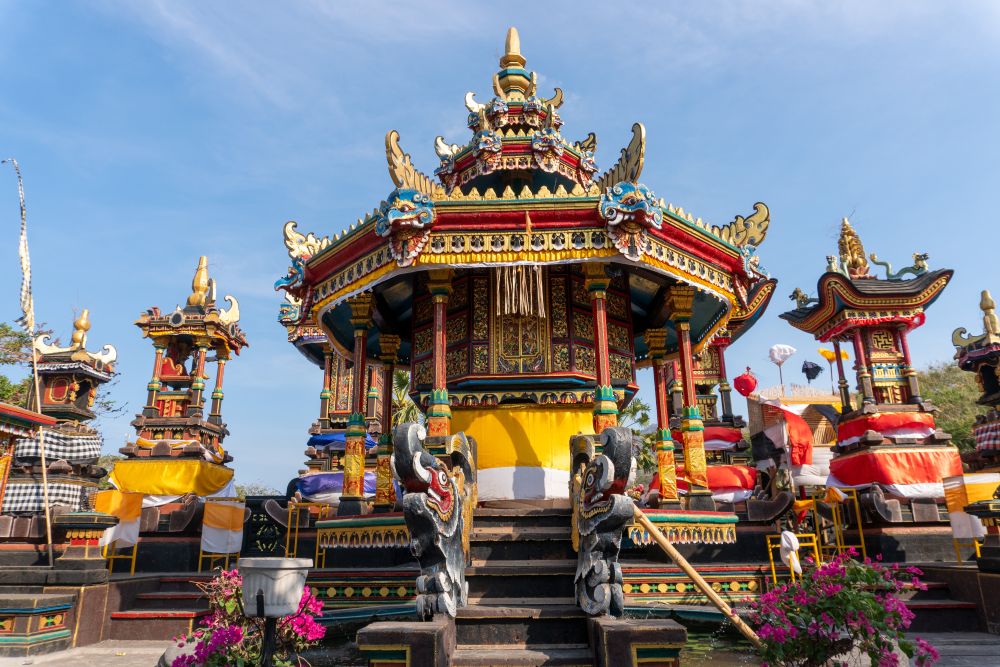
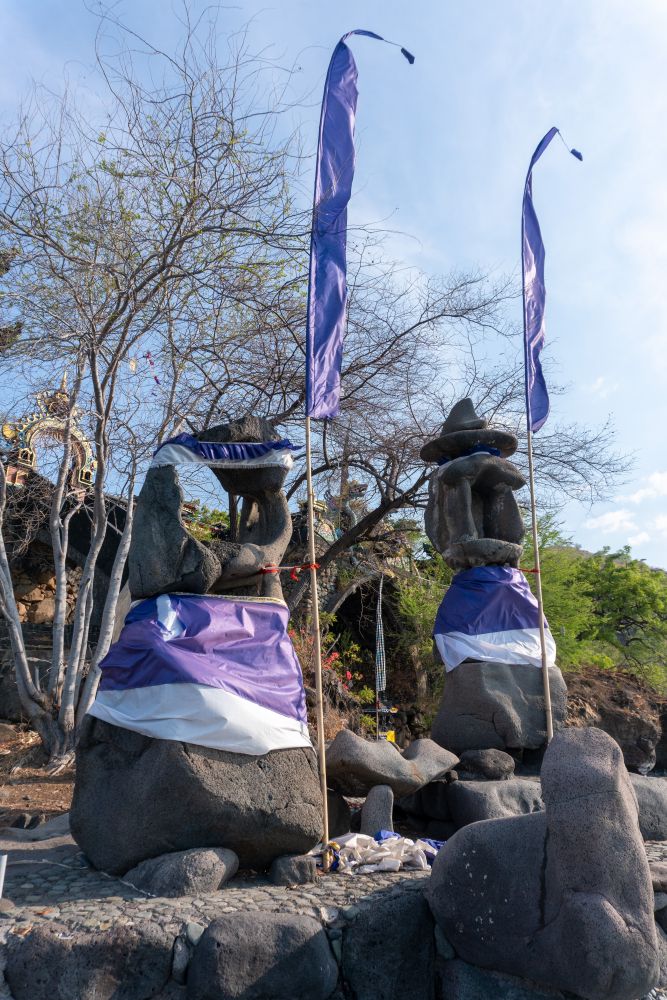
Closer to the coast, Pura Pabean offers a different perspective on Bali’s cultural history. Set beside the sea, the temple reflects the island’s longstanding relationship with maritime trade and the many communities that once travelled through its waters.
The name Pabean is associated with customs, hinting at the area’s past as a stopping point for sailors and traders. Historically, the coastline brought together Balinese fishermen and seafarers from further afield, who visited the temple to pray for safe journeys. Its setting evokes a time when the sea was not only a source of livelihood but also an important route connecting Bali with the wider region.
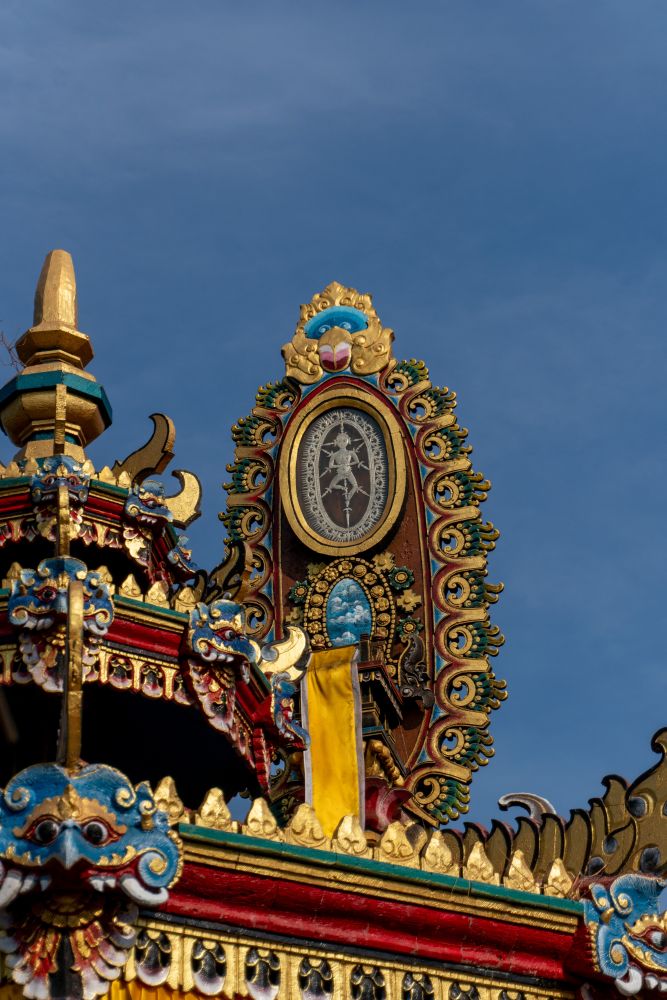
Architecturally, Pura Pabean is particularly interesting for its blend of Hindu, Buddhist, and Islamic influences, reflecting the cultural exchanges that took place through these maritime connections. The result is a site that feels distinct from many of Bali’s more widely visited temples while remaining firmly rooted in the island’s spiritual traditions.
A stairway down to the rocky shores leads to two large 13th-century megaliths, reportedly rediscovered and re-erected to their original positions in 1997. Pebbled stretches of the beach surround the area, and monkeys can sometimes be seen nearby.
Pura Pemuteran and the Four Sacred Springs
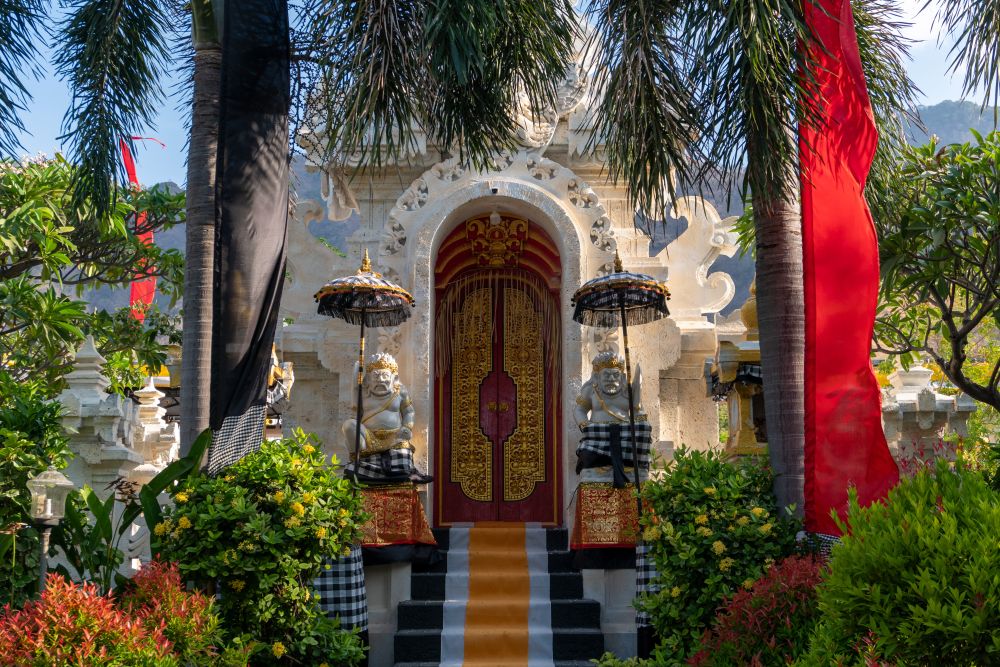
Within Pemuteran itself, Pura Pemuteran holds an important place in the spiritual life of the village. Considered a foundational or ancestral temple by the local community, it is associated with traditions believed to predate the arrival of Dang Hyang Nirartha in Bali.
The temple is especially known for its four sacred springs, each with its own characteristics and traditional spiritual purpose. According to local accounts, the springs emerged through the spiritual powers of Dang Hyang Nirartha, who is said to have caused water to appear at four nearby locations using his ritual object, the bajra.
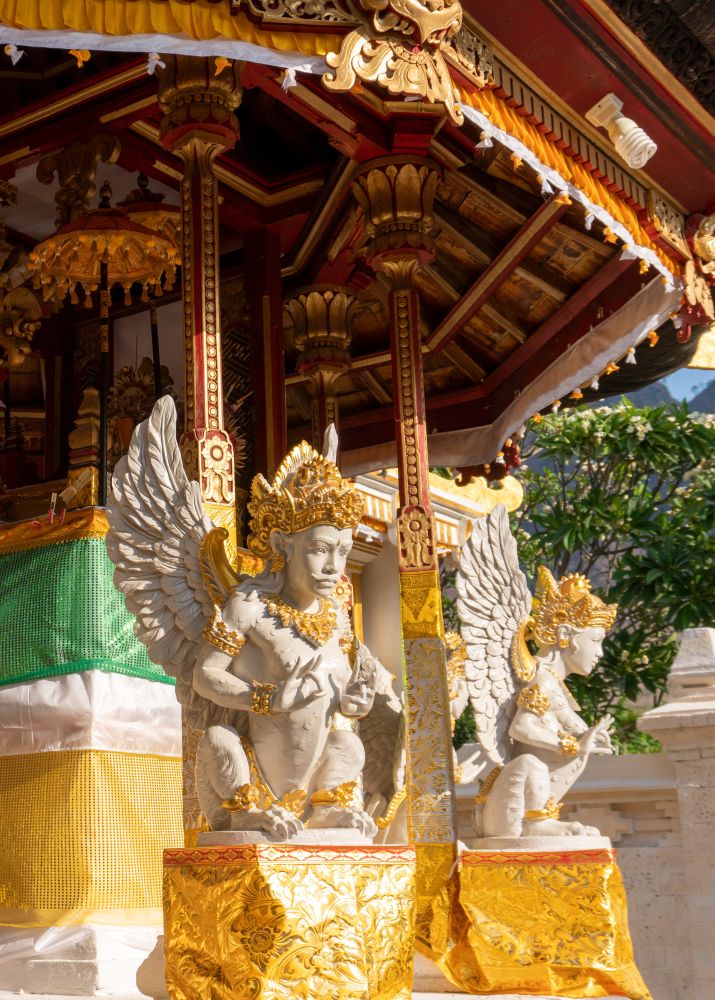
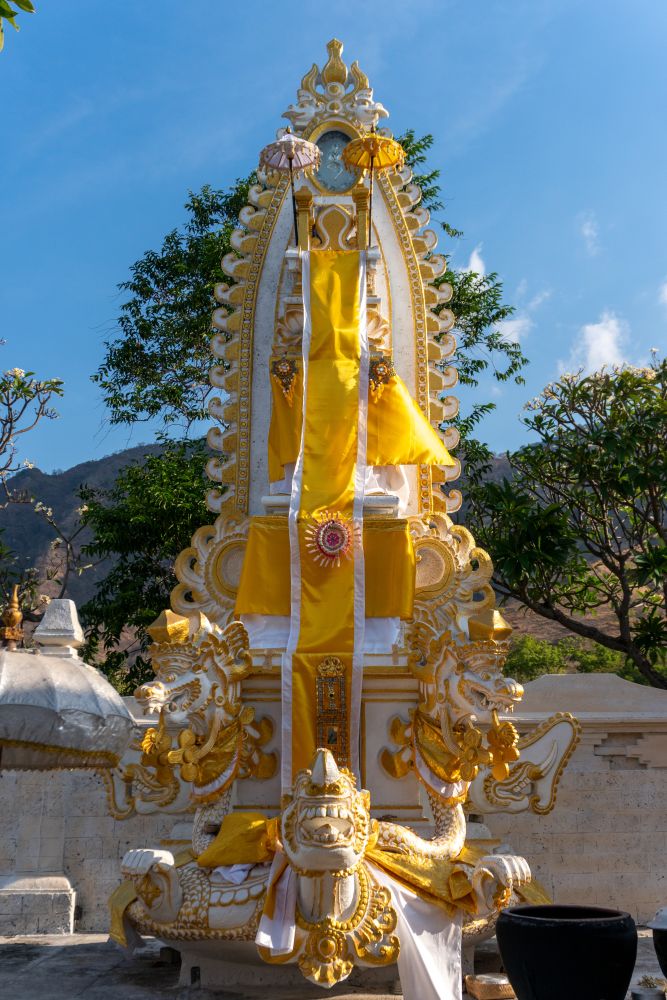
The springs are associated with different forms of tirta, or holy water, used in Balinese Hindu purification rituals. One source is traditionally linked to cleansing moral transgressions, while others are associated with the purification of land and property, protection from negative spiritual influences, and relief from skin ailments. Their water is said to differ in temperature and scent, with several sources carrying a sulphurous smell.
The use of water from these springs follows established local customs, and the traditions surrounding them form part of the temple’s ongoing role as a place for melukat, a ritual of spiritual cleansing. Devotees also visit to pray for personal well-being and success in their work or businesses. Rather than impressing through grand architecture or dramatic views, the temple offers an opportunity to understand the living spiritual traditions of the village.
Pura Batu Kursi: The Temple Above the Coast
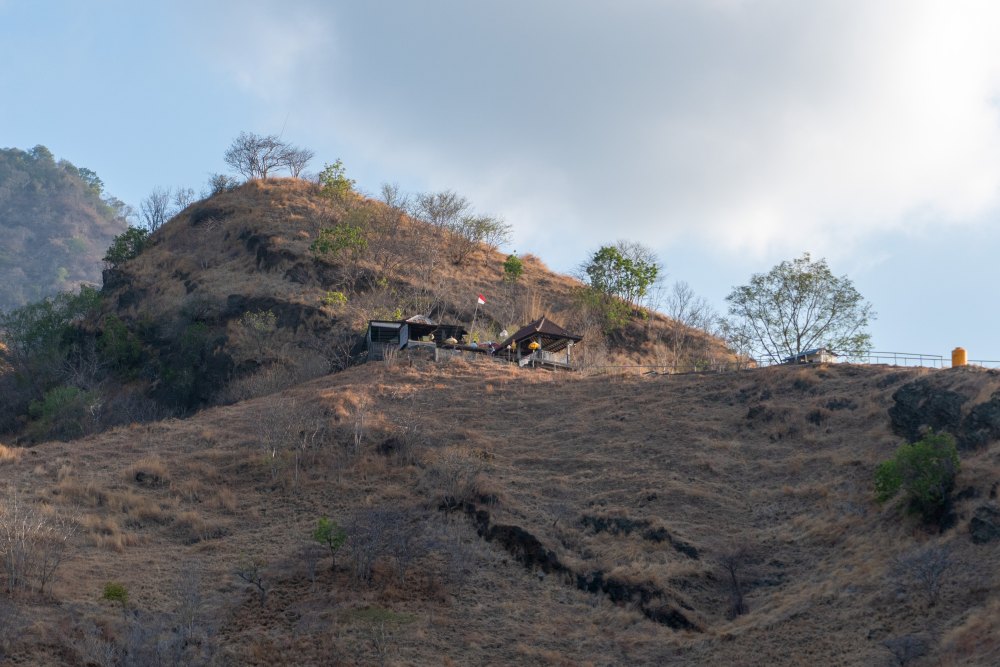
For those who enjoy combining cultural exploration with a little outdoor activity, Pura Batu Kursi offers a rewarding detour. Perched on higher ground above Pura Pemuteran, the temple is reached by an uphill walk that doubles as a short hiking excursion. The climb offers a chance to appreciate the surrounding hills and coastline from a different perspective, making it appealing for those who want to see more of the landscape beyond the beach.
The temple’s name, which translates as Stone Chair Temple, refers to a sacred stone at the site. Local tradition holds that the place was once known as Batu Begok or Batu Mekorsi before becoming Pura Batu Kursi.
The temple has become associated with prayers for advancement, authority, and success in one’s chosen profession. People visit not only to ask for new opportunities or positions, but also for the strength and good fortune to carry out their existing responsibilities.
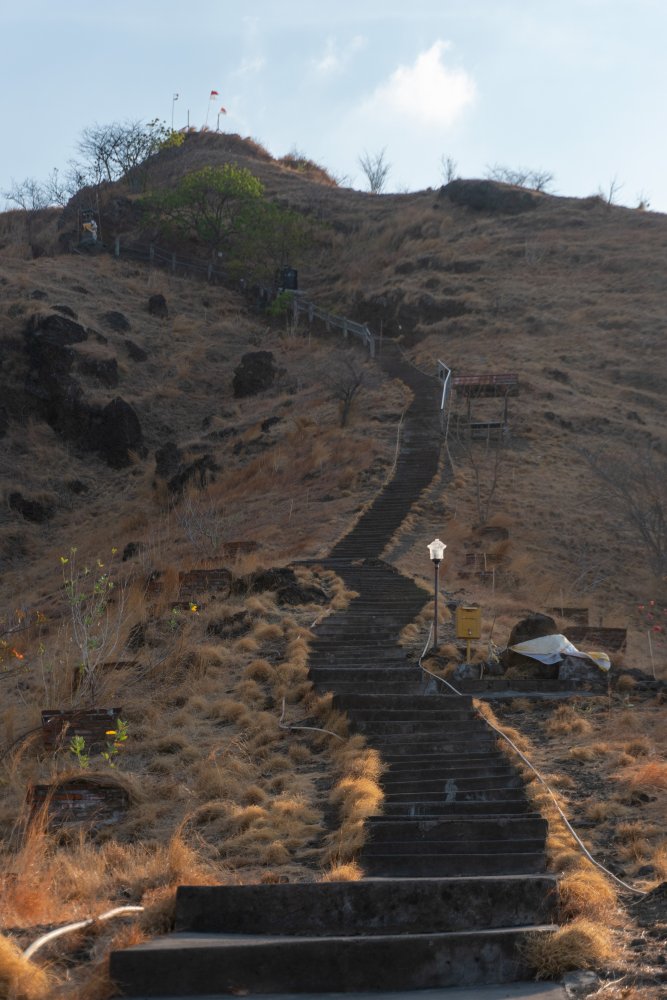
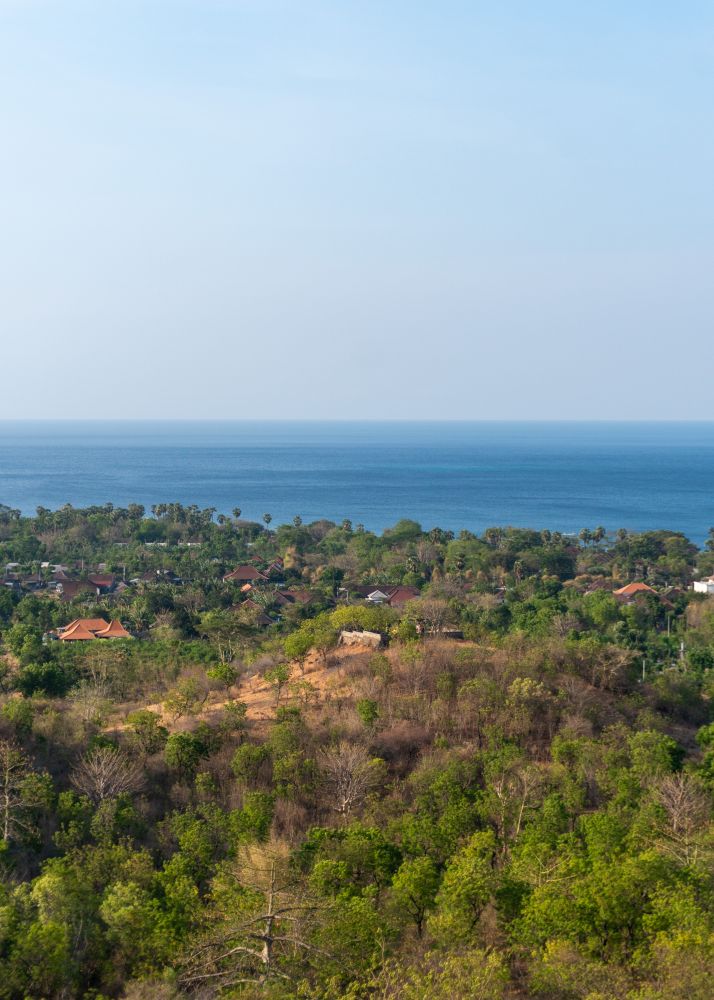
Today, Pura Batu Kursi attracts both devotees and travellers drawn by its setting. The ascent is a good way to break up a day spent exploring the village, though it’s best tackled in the cooler hours of the morning or late afternoon. The temple is not simply a viewpoint; its significance to the community is part of what makes the visit worthwhile.
A visit to Pemuteran may require a little more time on the road, but that is part of its appeal. With its coastline, community-led conservation efforts, and sacred temples, the village reveals a side of Bali that feels grounded in its natural surroundings and local traditions. Whether visiting for a day or staying for several nights, Pemuteran reminds us that some of the island’s most memorable experiences begin when you venture a little further beyond the familiar.
Where to Stay: Puri Ganesha Homes by the Sea
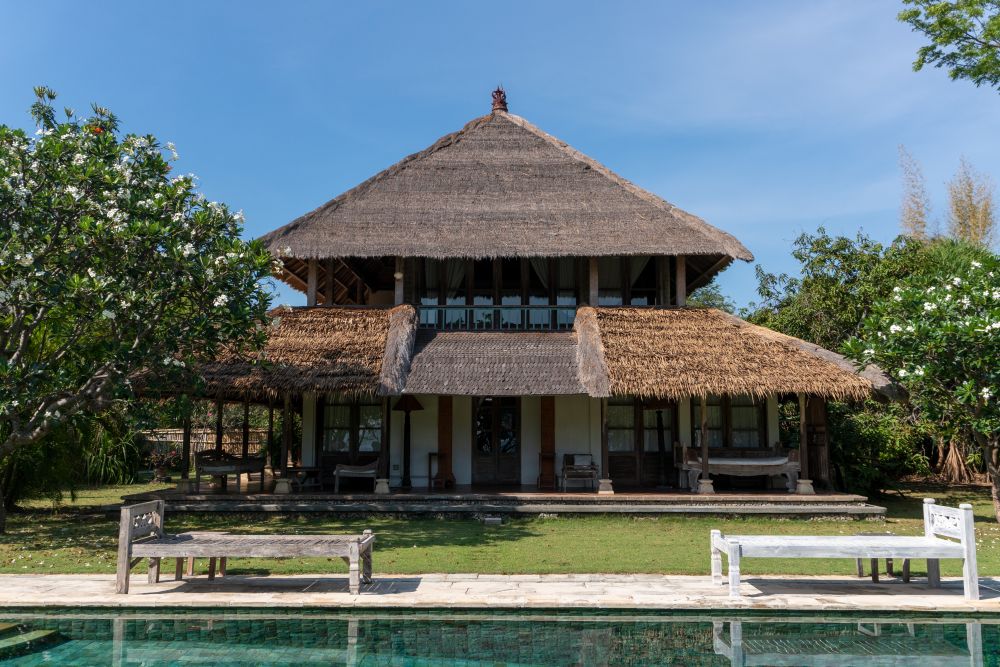
For travellers spending more than a day in Pemuteran, Puri Ganesha Homes by the Sea offers a place to settle into the village’s slower rhythm. This secluded beachfront retreat comprises four private Balinese-style villas, each set within sprawling gardens and designed with a distinct character.
The villas range from one to three bedrooms, making the property suitable for couples, families or small groups travelling together. Interiors combine Indonesian antiques, textiles and thoughtful details, while the master bedrooms look towards the sea and the garden bathrooms offer a more open connection to the lush tropical surroundings. Private swimming pools and direct beach access make it easy to alternate between a morning by the water and a quiet afternoon at the villa.
Umbi Restaurant emphasises local ingredients and lighter, health-conscious cooking, with organic, plant-based, vegetarian, and pescatarian options. The approach reflects the philosophy of your host, Ibu Diana von Cranach, a Cordon Bleu-trained chef and cookbook author known for her work in raw food and wellness cuisine.
For those seeking destination dining, the new Time Before Time programme offers a three- or five-night culinary adventure exploring the pre-Hindu cosmological principles, culture, and cuisine of the Bali Aga, allowing guests to not only experience history but also taste it.
The retreat can also serve as a base for exploring the wider areas, with activities ranging from sunrise dolphin cruises in Pemuteran Bay and snorkelling excursions to Menjangan Island to cultural and wellness outings.
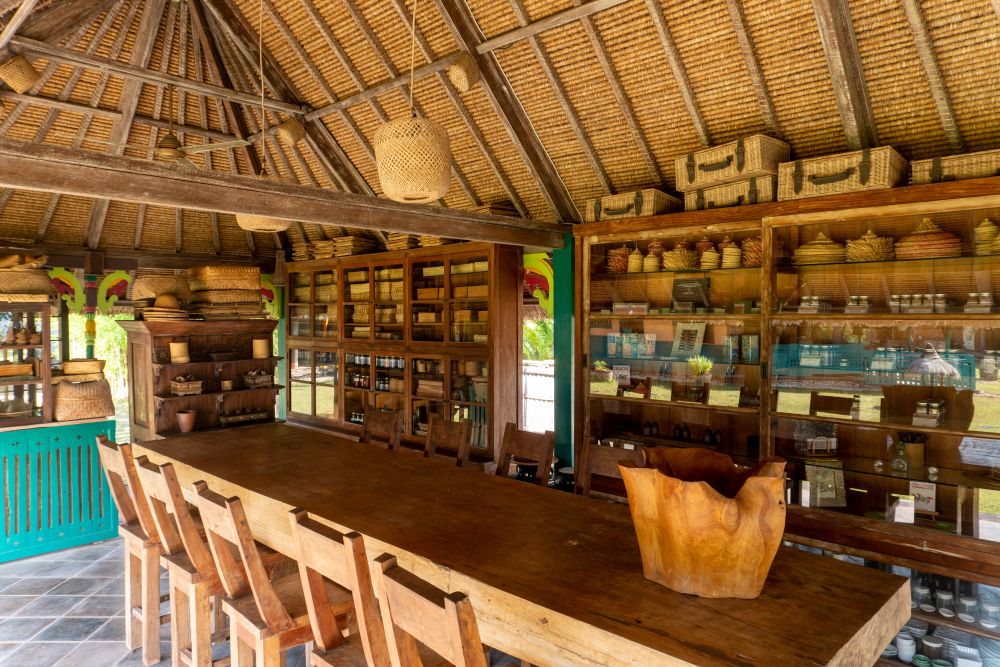

Ultimately, the accommodation is best suited to those who appreciate a slower, more personal style of hospitality. Rather than a resort built around a long list of facilities, it offers privacy, a charming beachfront setting, and the space to enjoy Pemuteran at your own pace.
Puri Ganesha Homes by the Beach
Pemuteran, Gerokgak, Buleleng Regency
+62 812 3932 984 | @puriganeshabythebeach | puriganesha.com