
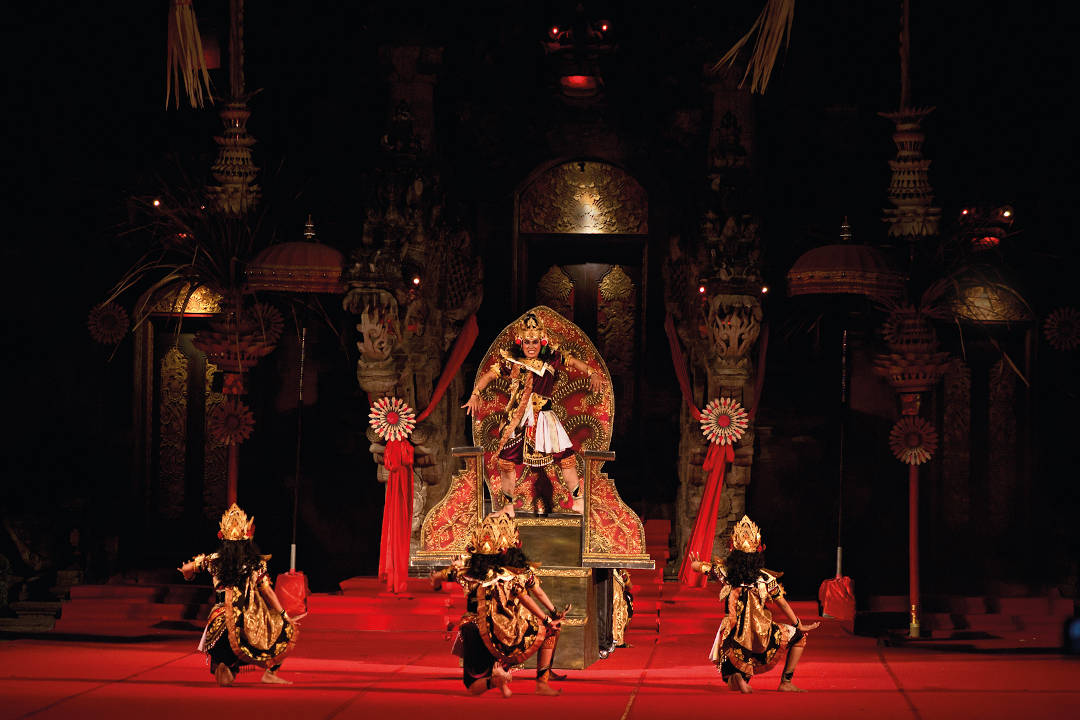
The Kekebyaran Purancak Dance of West Bali
The sea sparkles gold against a red and orange sky when the sun sets on Perancak Village, Jembrana Regency West Bali. The scene is likely to have inspired many artists, taken aback by its vibrance. Along the beach, the silhouette of dozens of sailing fishing boats dance along the horizon. As the sky darkens, the

A Balinese Ghost Story
According to this Balinese legend, if you witness a white sheet flying towards you, it’s time to run! We’re all familiar with ghost stories. The haunted tales exchanged by the fire after midnight. The one about the creak of floorboards, the mystery of displaced furniture, the distressed ululations of a woman far in the distance.
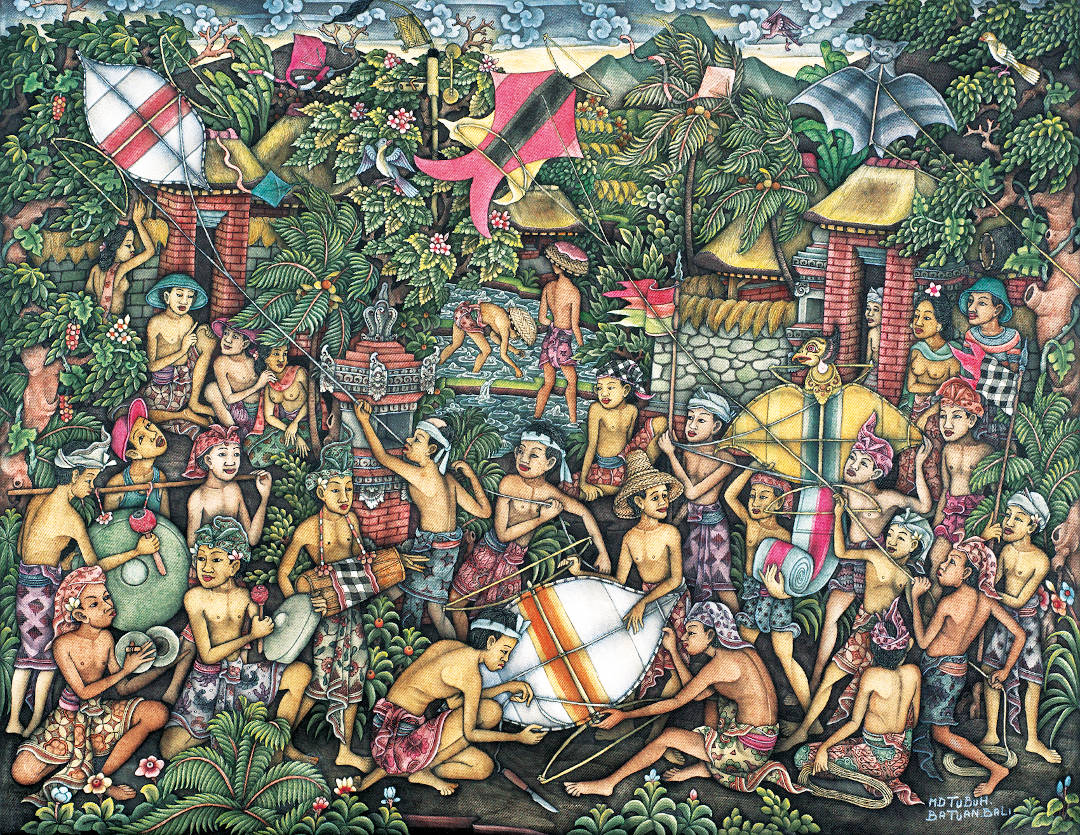
Batuan Artists: Inspired by Diversions
With the Batuan painting style, daily life has long been an inspiration for the artists. Here, Bruce Granquist shares how the everyday diversions of the Balinese inspired certain painters. These pages show three paintings by artists in some way connected to the painting studio of I Made Jata, the most active art teacher in Batuan.
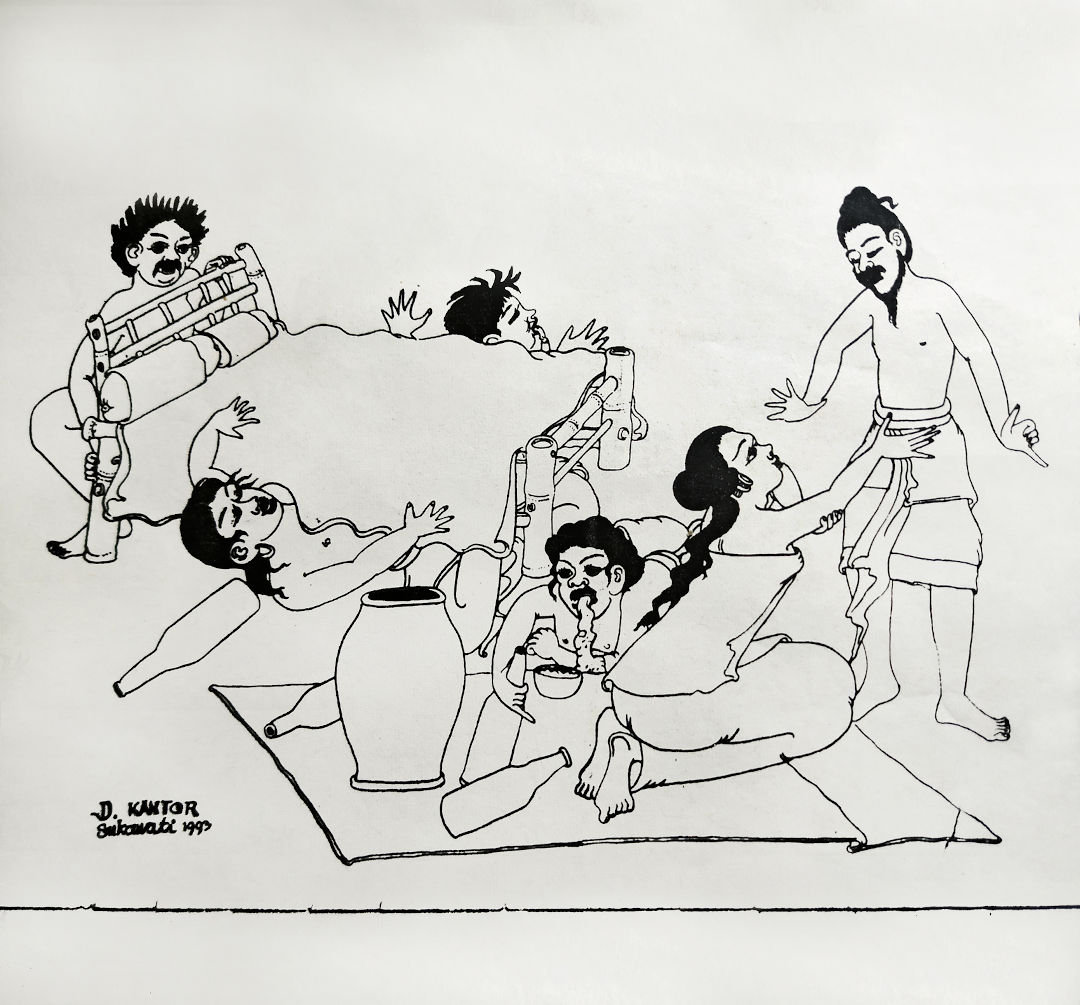
Don’t Touch My Wife : A Story of Castes and Morals
What does a bearded priest have in common with a civet cat? This somewhat cheeky story teaches lessons of faithfulness and morality – because in Bali, morals are best taught through the magic of a good story. People visiting Bali are usually made to believe that there is a caste system and that everyone thus
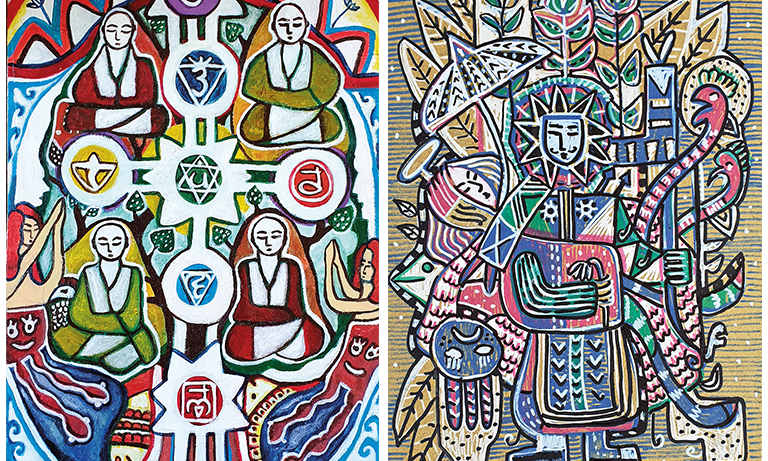
Ni Luh Vony Dewi : A Free Spirit with a Creative Soul
Ni Luh Vony has found freedom and opportunity as an artist displaying her work online; she has found a way to breakthrough without the help of the ‘conventional art world’. The Internet is empowering people and has democratised the art world. It has created a platform that supports a new and dynamic digital art world
Nyepi Kasa : A Second Nyepi at Buahan Village
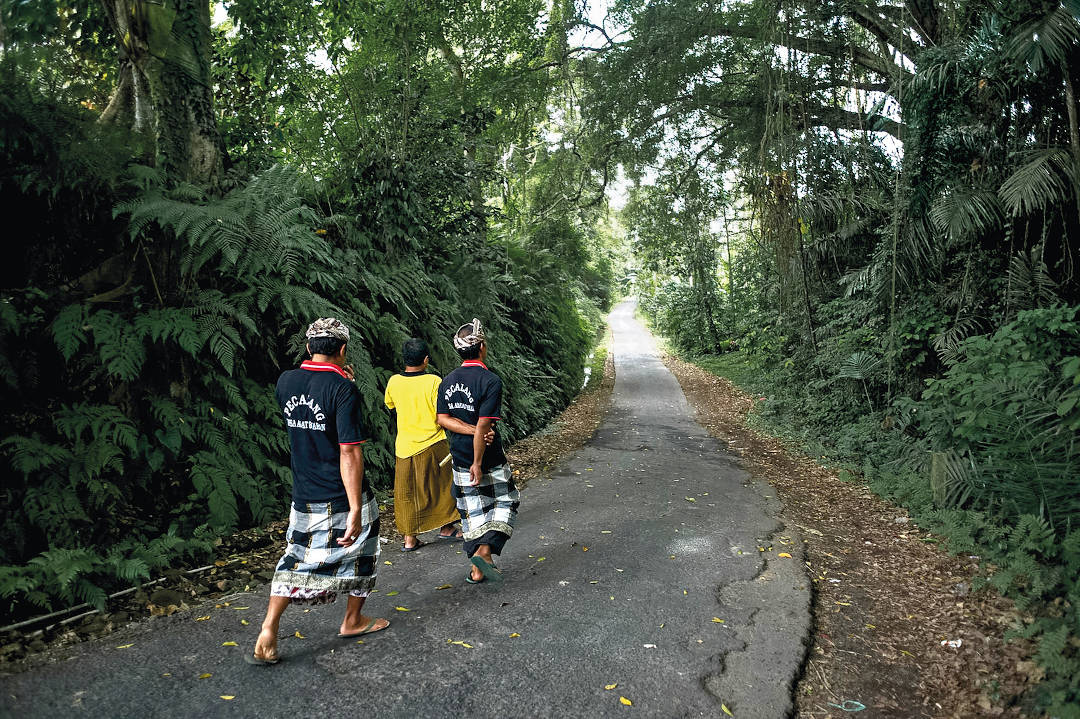
In Buahan, a village north of Ubud, a rare custom takes place whereby the community don’t only celebrate the official Nyepi, the day of silence, but celebrate a second Nyepi called Nyepi Kasa. Nyepi literally means to be silent and Kasa means the first month in Balinese calendar. It’s the second celebration of Nyepi held
Paon: The Philosophy of the Balinese Kitchen
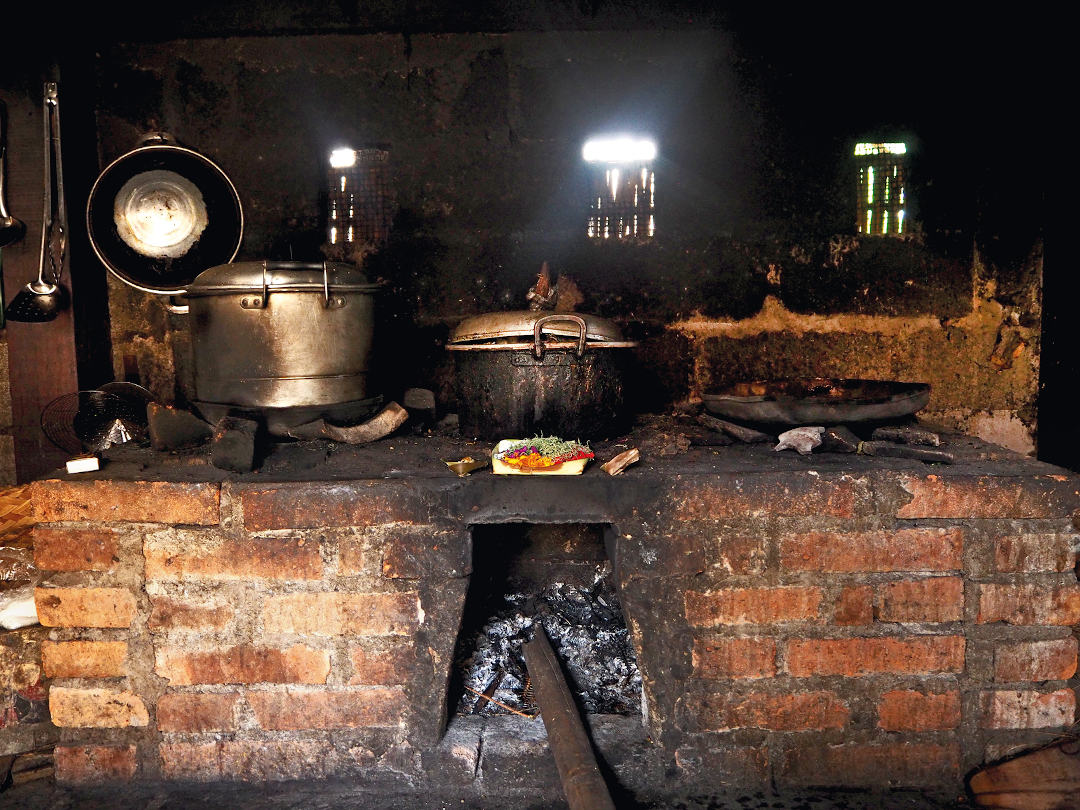
In Bali, the kitchen is more than just a place to cook. It is an integral component of the Balinese compound, imbued with philosophy and age-old traditions. You would expect a cultural heritage as dynamic as Balinese cuisine to have its ancient recipes retained on tangible means. However, unlike other traditions and customs in Bali,
The Idea of Morality in Balinese Culture
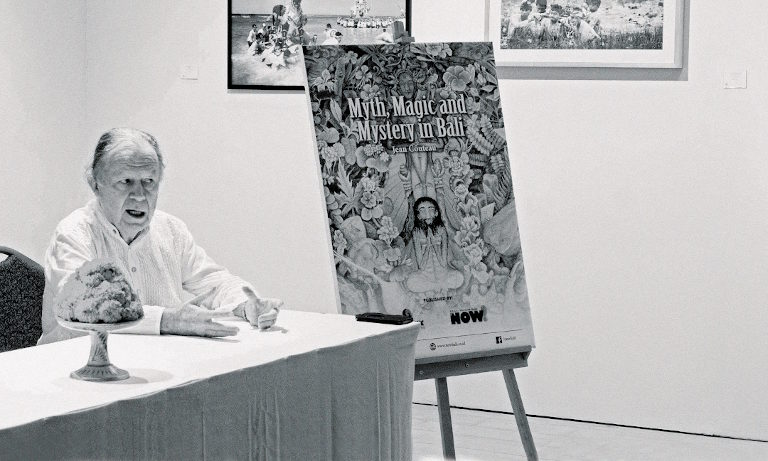
Journalist Eric Buvelot and socio-ethnologist Jean Couteau have recorded 20 hours of discussion about changes that have happened in Bali since the 70’s. The conversation was structured and segmented according to many different aspects of Balinese life, mostly from a socio-historical perspective, to trace all the overturning in Balinese mores since 50 years, when modernity
Bali’s Local Market on Canvas
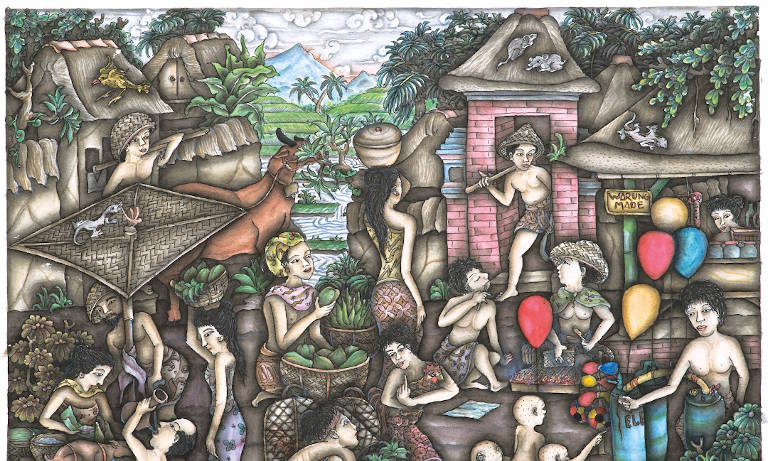
Local markets are a great source of inspiration for painters in Bali and, as contributor Bruce Granquist explains, these bustling scenes become all the more interesting when painted in the intricate and detailed form of the Batuan painting style. Daily Life Everyday life of Bali, both traditional and contemporary, is a rich source of visual
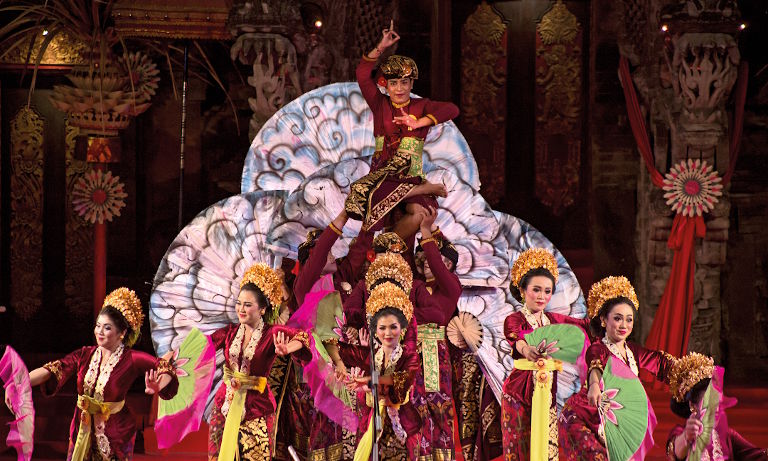
Sandya Gita Kotamaning Bayu
A loud cheer erupted as the master of ceremony completed his introduction for the next performance. It was an exciting evening at the Bali Art Festival, as the dance troupe of Badung regency was in a final, head-to-head battle with the representatives of Jembrana regency. A senior lady sat next to me, complementing the previous
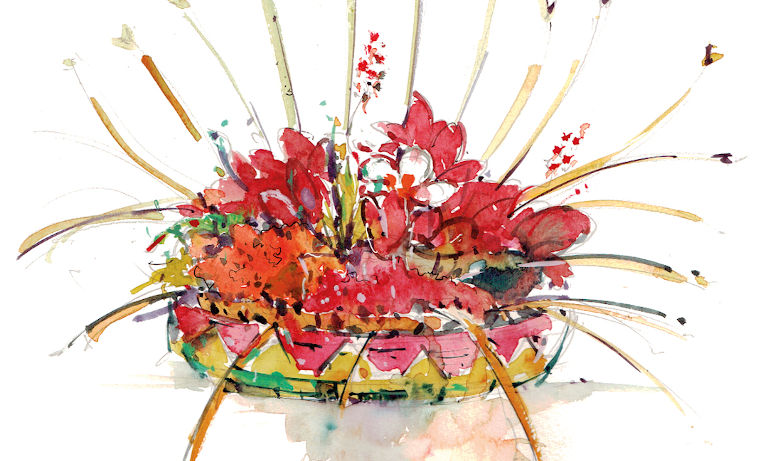
Canang Sari : Bali’s Daily Offering
Found on almost every street corner, temple, beachfront, office space, local market and even Bali’s most modern lifestyle establishments, the canang sari is the most pervasive form of offering on the island. Visitors will often watch in awe as the Balinese Hindu gracefully present the beautifully prepared canang sari, wafting burning incense soon after, but
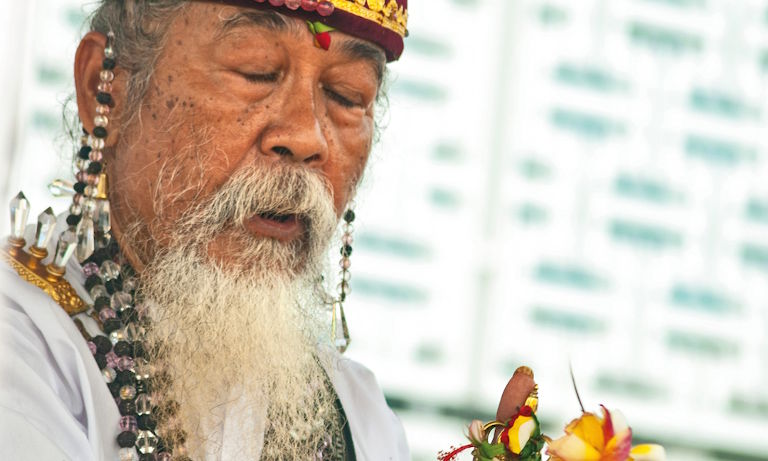
Madiksa: A Priest’s Second Birth
To become a Balinese Hindu high priest, or sulinggih, prospective priests must first go through the madiksa ritual. Some refer to it as a ‘death ritual’, as for the priest to be reborn as a new, cleansed man or woman, he or she must first “die”. A prerequisite to become a Catholic priest is being
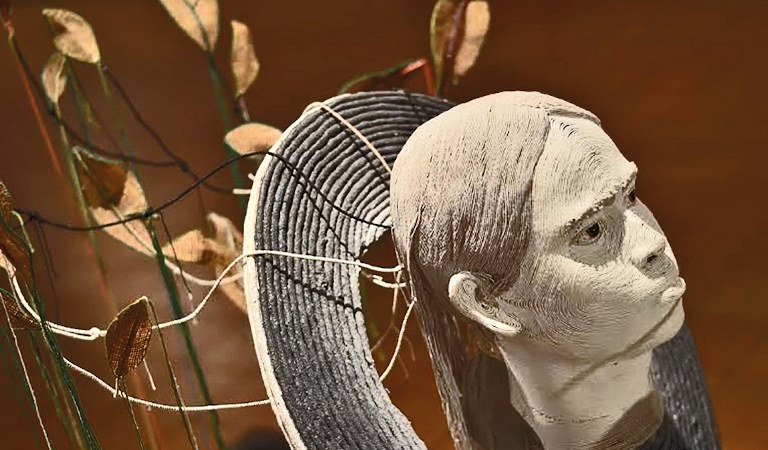
Wayan Arnata: Traditional Practices Fused with Contemporary Ideas
Balinese artist Wayan Arnata first came to my attention in June 2013 in the landmark exhibition ‘Irony in Paradise’ by the collective Sanggar Dewata Indonesia (SDI) at the Agung Rai Museum of Art (ARMA) in Ubud, Bali. ‘Nike Barong’ 2013, Arnata’s mixed media reflection upon the changing nature of the Balinese identity depicted the iconic