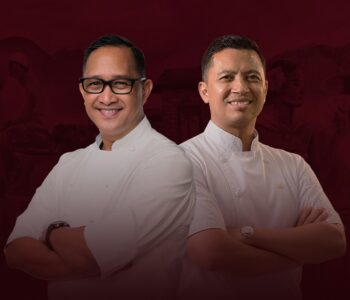
At Desa Potato Head’s signature Indonesian restaurant, Kaum, Chef Wayan Kresna Yasa saves space for new discoveries.
Indonesia, it is believed, is home to 5,300 traditional dishes – though this expands further still when taking into account the regional variety in recipes and localised preparations. So vast and varied is the gastronomic smorgasbord of the Indonesian archipelago that some food biodiversity experts advocate for the abandonment of the term ‘Indonesian cuisine’ altogether, preferring to categorise food into distinct regions instead.
For an Indonesian restaurant, this seemingly infinite selection of dishes is both a blessing and a curse. In one sense it means the options are near limitless when searching for menu items that are unique, original and authentic. But trying to encapsulate ‘Indonesia’ in a single menu then becomes the challenge – after all, how can one present the flavours of 17,000 islands and over 600 ethnic groups?
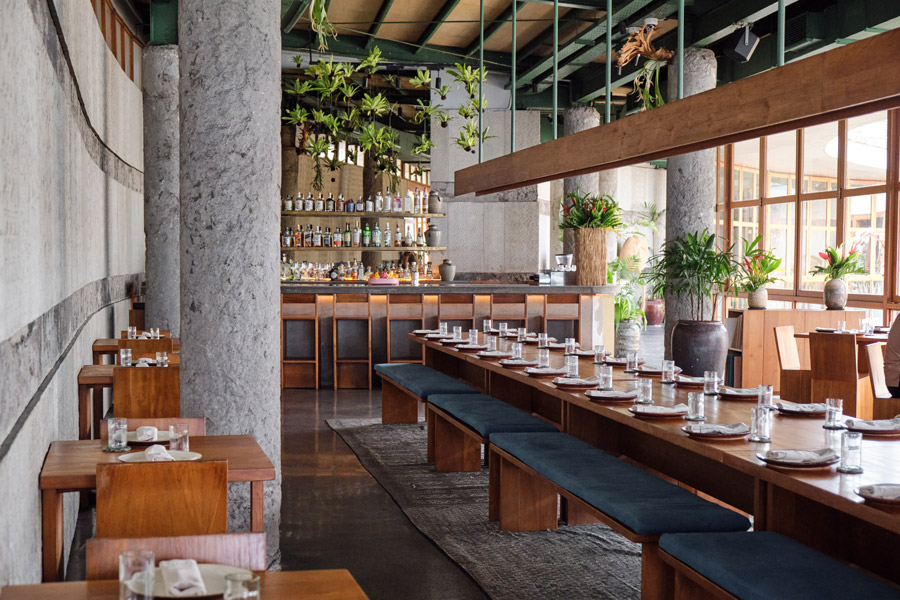
At Kaum, representation has been the key. Dishes from Aceh, Indonesia’s most western region, to the sprawling peninsulas of Sulawesi, and the eastern islands of Maluku (where the famed ‘spice’ islands are found), all find a place on the menu. The restaurant is thus true to its name, meaning ‘tribe’ in Indonesian. From east to west, selected dishes become a showcase of the nation’s culinary variety, and what the menu does best is lift the veil on what Indonesian cuisine actually comprises. As such, we are gifted with many fabulous surprises.
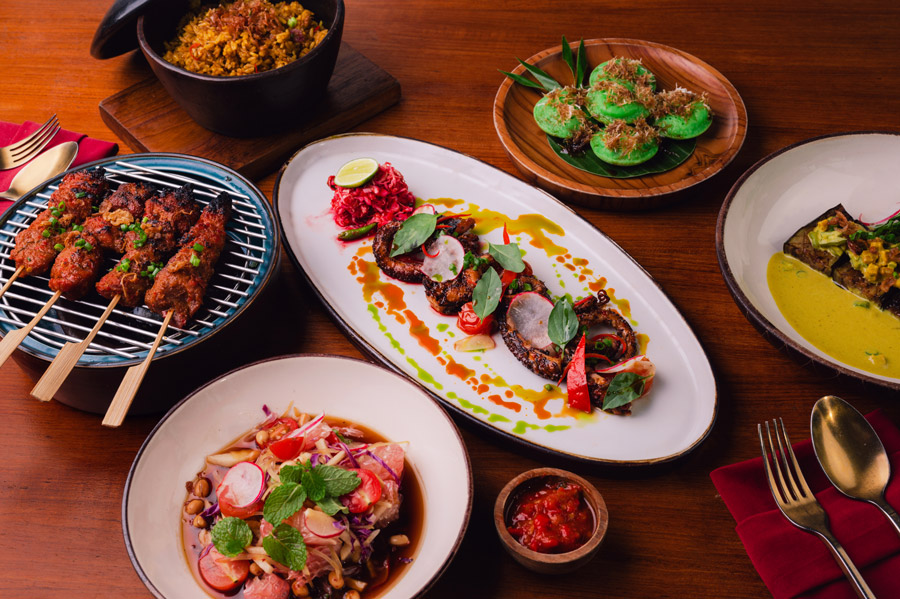
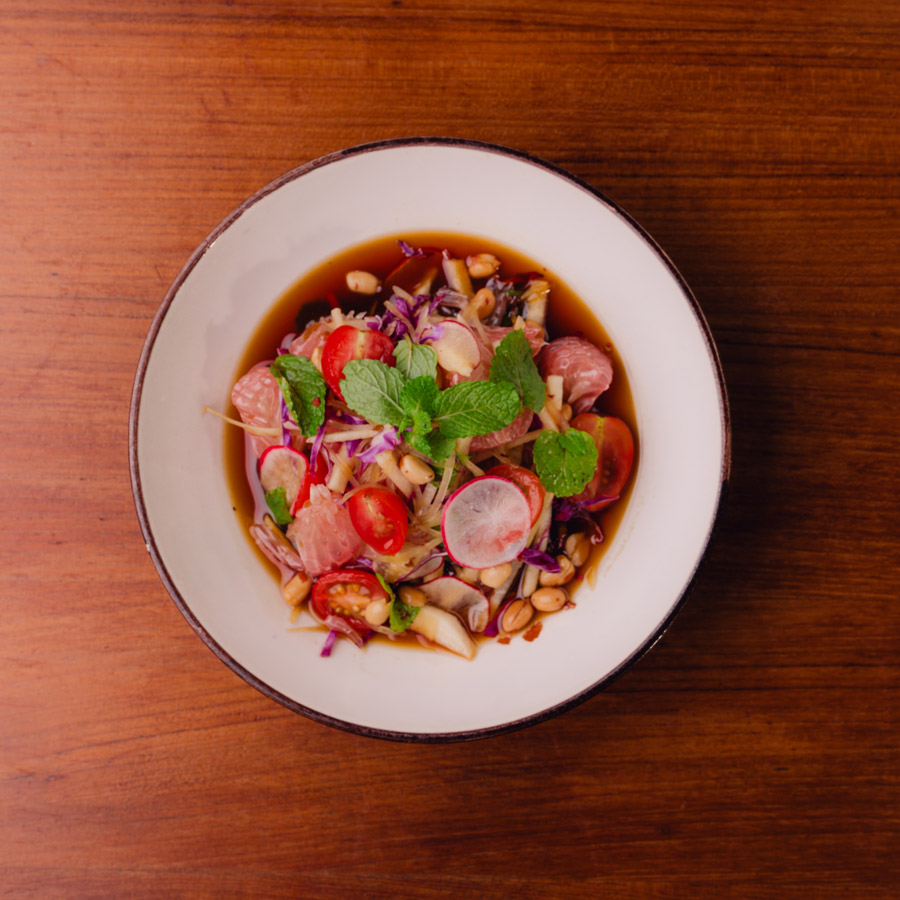
For example, the Manadonese Panada, a deep-fried bread stuffed with shredded tuna jowl, lemon basil, chilli and relish. It is a direct inspiration of the Iberian empanada, of course, a remnant of the Portuguese influences in the archipelago many centuries ago. Then a ceviche-like dish, Gohu Ikan, with fresh market fish cured in citrusy calamansi juice, with sour bursts of starfruit, and the crunch of the kenari nut – a Moluccan specialty, served at Kaum with banana chips. Such dishes are a far cry from the perceived ‘Indonesian food.’
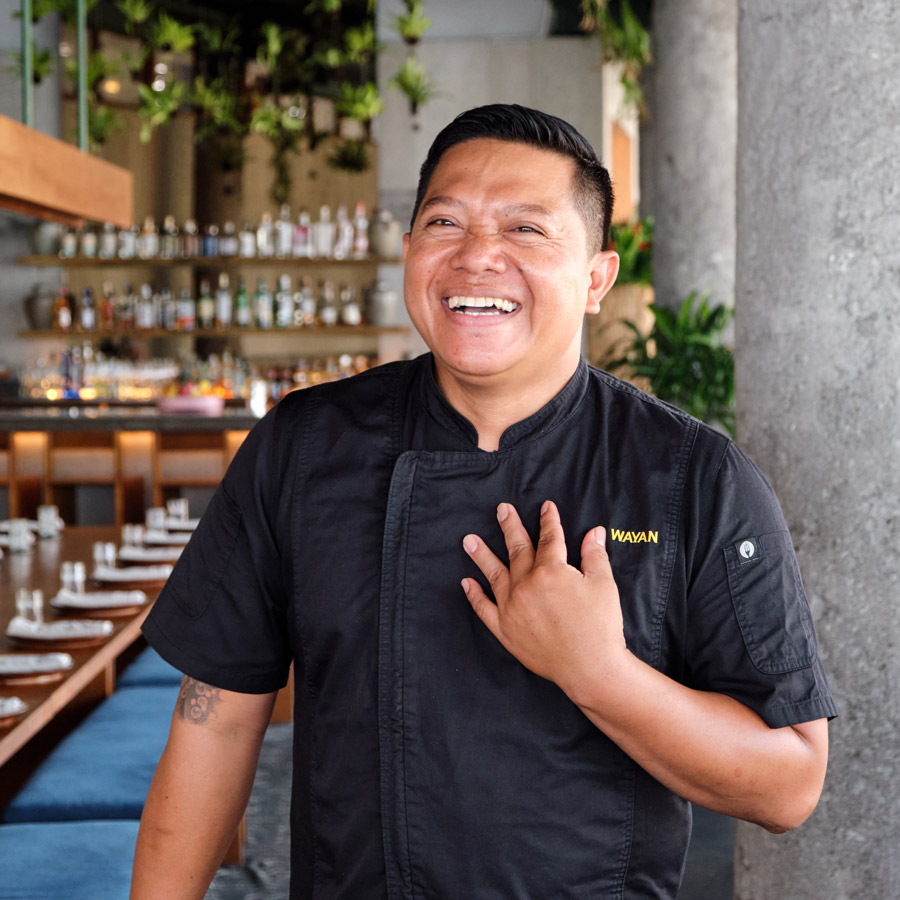
Driving this regional exploration is Executive Chef Wayan Kresna Yasa, who – with his team – is constantly on the search for new inspiration from Indonesia’s far-flung corners.
“I just came back from Sumba, lots of unique flavours there. And I go often to Papua, home to sago and some very interesting fish dishes,” shares the Balinese chef, already thinking up something new.
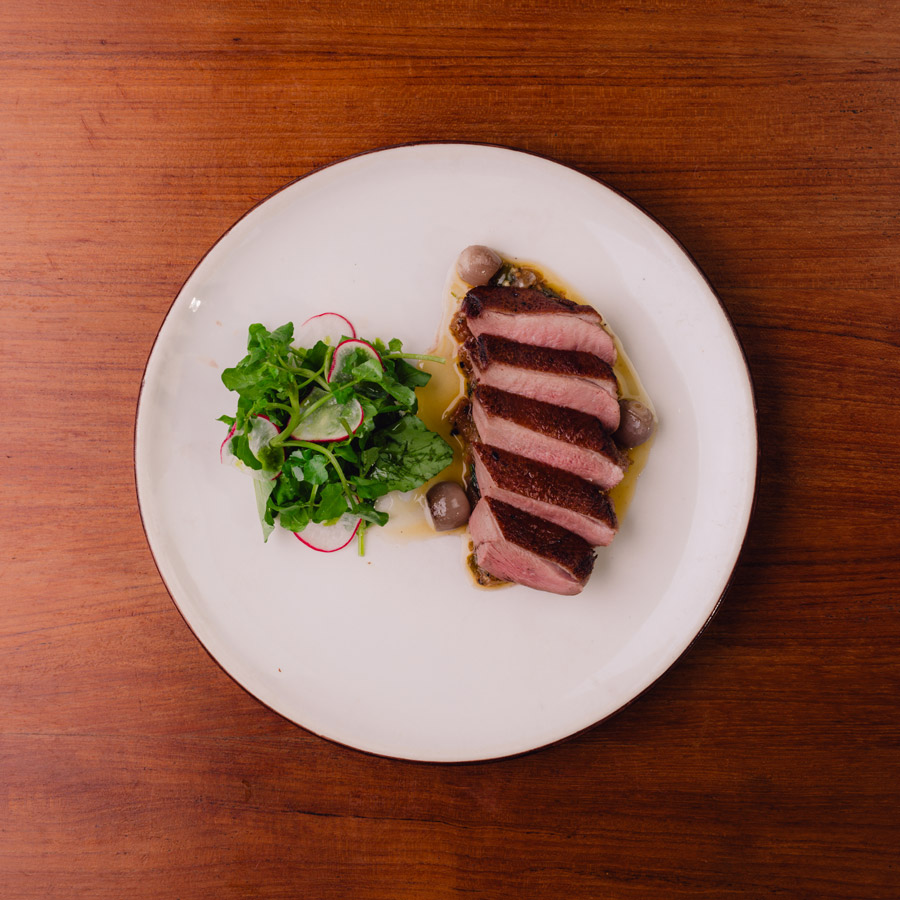
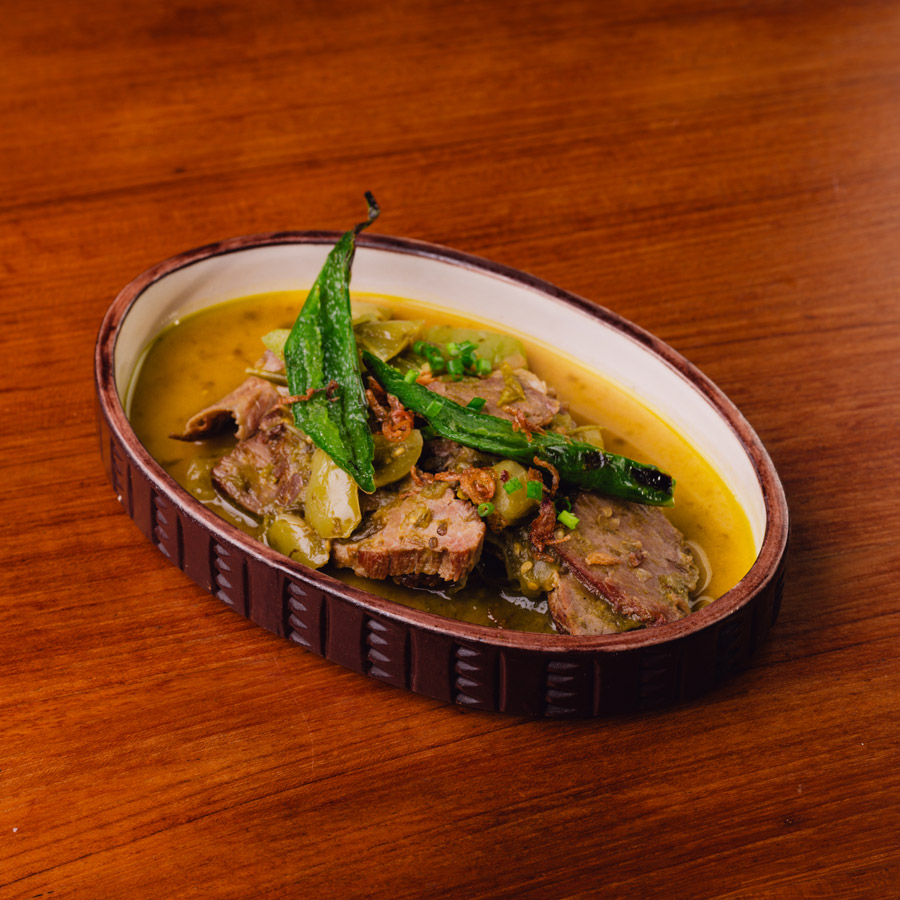
Kaum’s menu is in continuous evolution. Every three months, two or three dishes get rotated in as the kitchen team expand their knowledge of Indonesia’s ethnic foods. Recent additions include Selat Solo, a Central Javan beef dish born from colonial roots, elevated through a tender, 38-hours cooked wagyu short-rib, but the quintessential Selat sweet soy profile still present. From West Sumatra, Dendeng Lambok, a spicy, aromatic dish of beef brisket marinated in coconut water, with a piquant green chilli relish bringing the flavour. From Aceh, a twist on a regional favourite, Gulai Bebek, a curried duck dish transformed into delicate marinated seared duck breast on a bed of a rich Acehnese curry sauce.
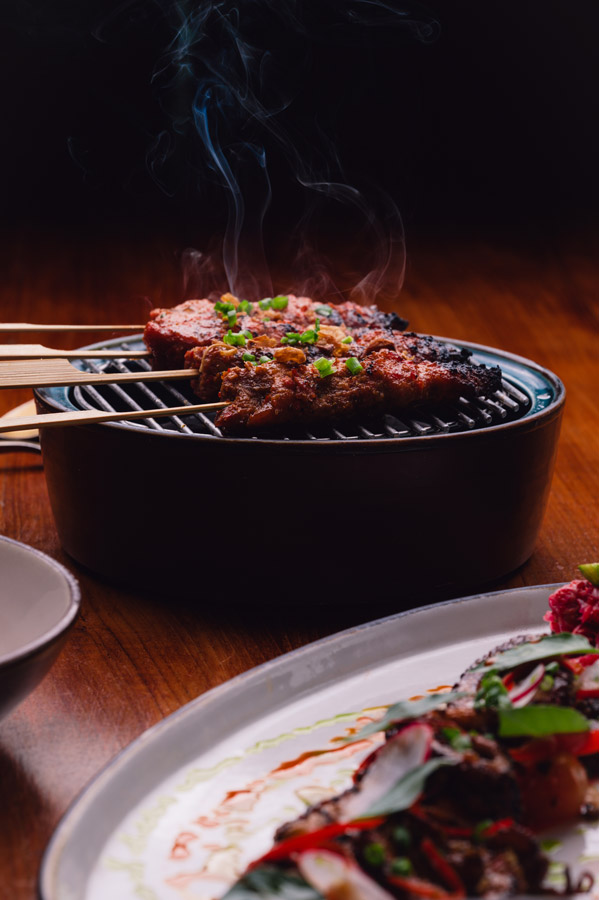
The satay (or sate, locally), an Indonesian cooking tradition that has over 250 variations across the country, has its own section on the Kaum menu, where Chef Wayan and team spotlight more exotic versions. South Kalimantan’s Sate Banjar brings a Bornean take on the well-known sate ayam (chicken satay); and Sate Ragey a zesty, aromatic pork skewer of Minahasan (North Sulawesi) origins, embellished with crushed lemongrass, red chilli and fresh ginger.
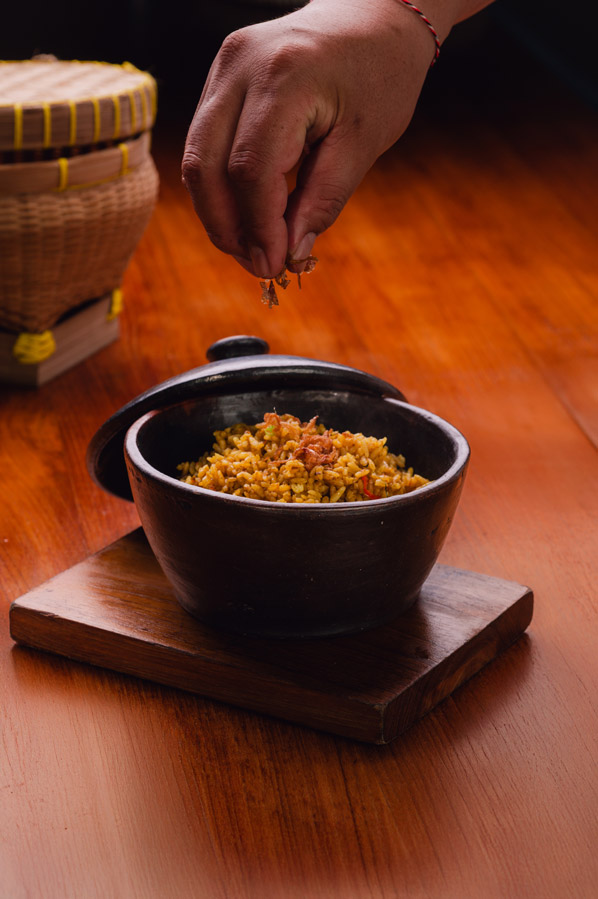
Of course, Chef Wayan must showcase delicacies of his home island, creating a dedicated section on the menu for a true taste of Bali. He brings dishes not commonly encountered by visitors, one being Nasi Bira.
“The day after the Saraswati ceremony is a cleansing day called Banyu Pinaruh,” explains Chef Wayan. “We make a special rice used as the offering before we cleanse, this is Nasi Bira. Mixed with ‘bumbu Bali’ spices and torch ginger flower.”
A simple side turned cultural experience, Nasi Bira makes for the perfect accompaniment for the other Balinese flavours available: Urutan, a fatty, indulgent and herby Balinese pork sausage made in-house (“It’s 45% fat from the pig” smiles Chef Wayan, aware of the decadence); and Timbungan, with spice-marinated pork or fish cooked steaming inside bamboo, a delicacy of Tabanan Regency.
From the selection of welcome crackers to the array of unique sambal (chilli relish) available, Kaum makes a visible effort in giving different regional cuisines their deserved recognition. With Chef Wayan’s constant new discoveries across the archipelago, more are sure to have their moment on the menu. Though with 5,300 dishes out there, the menu will remain a teaser to what Indonesia has to offer.
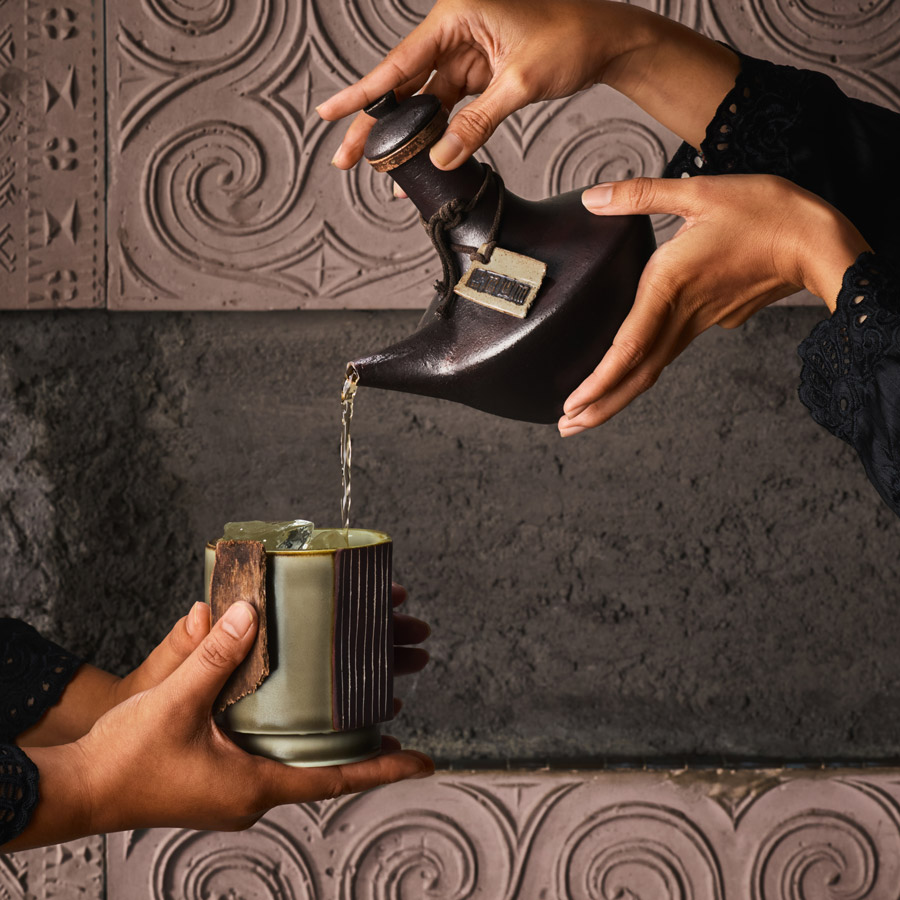
Kaum’s menu is great for sharing, with small and large plates, grilled and vegetable specialties making an ideal family-style experience with much to savour. To try specific regional flavours, the two Kaum Journey options highlight Eastern Indonesian and a Balinese experience. To drink, try Kaum’s ‘Rested Cocktail’ menu, a selection of tropical drinks rested in Balinese kendi clay pots, giving each drink a smoother, beautifully-blended flavour.
Finally, stay tuned for the soon-to-be-opened Kaum Garden, where sizzling sates, Indonesian bites and a variety of arak cocktails are enjoyed in the open air, like a beachside, Indonesian izakaya. Scheduled for November.
Kaum, Desa Potato Head
Jl. Petitenget No.51B, Seminyak
+62 361 620 7979
@kaumrestaurant
kaum.co