


About an hour before dawn, the world fills with birdsong. Taro Village’s sunrise chorus is filled with the chirps of the Yellow-vented Bulbul (Cerucuk), the Kacer (Koel); then comes the combined calls of the White-throated Kingfisher (Cekakak) and the Mynah (Jalak), often heard just when the sunlight is about to appear. The Prinia (Perenjak) starts singing as soon as slivers of light begin to shine between the leaves.
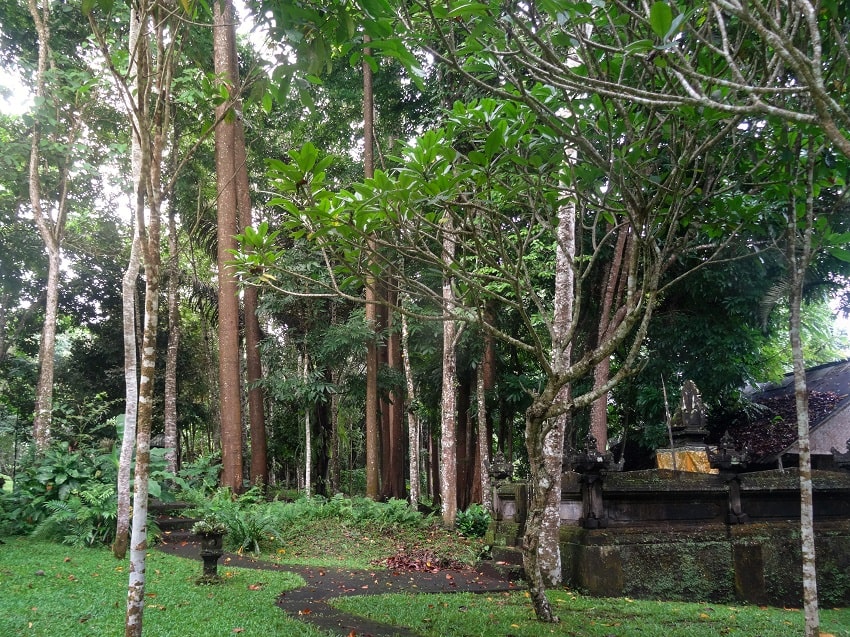
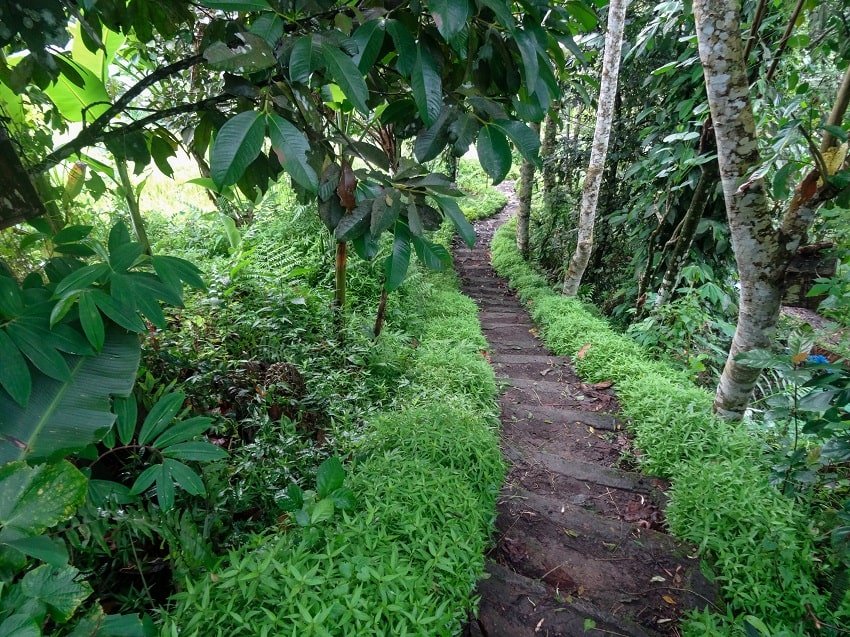
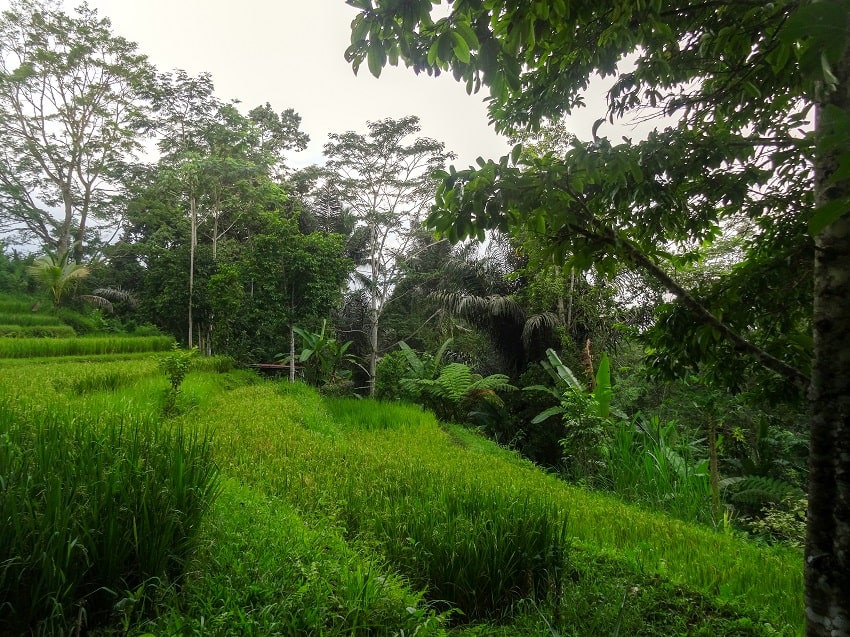
Taro sits on a highland plateau, 600 – 750 metres above sea level, approximately 20 kilometres north of central Ubud. Here, the air is cool, fresh and the environment still abundantly verdant. This is because 40 hectares of the customary forest is protected by the village community. The forest also thrives on the area’s blessing of water, with the 14 banjar hamlets enjoying the flows of between 50 to 70 fresh water springs.
There is nature abound in this tree-filled village, whose very name comes from the Balinese word for tree, ‘taru’. The weight of this ancient forest is palpable in the atmosphere.
“The bird sounds are loud in the morning,” comments Wayan Warka, the head of Taro Village. The morning soundtrack is noticeable, with birdsong becoming rarer and rarer across Bali. Along riverbanks in Denpasar, or even still in Ubud, trappers search for nests after dusk, or net birds as they slumber. The more beautiful their song, the more colourful their feathers, the more likely to be caught.
But Taro is different. “There are no more bird hunters like in the old times here,” said Wayan Warka. “Before, bird hunters came here from Kintamani or even as far as Java. We speak to them and tell them of our village laws, our awig-awig, which states that our village is a safe haven for the birds.”
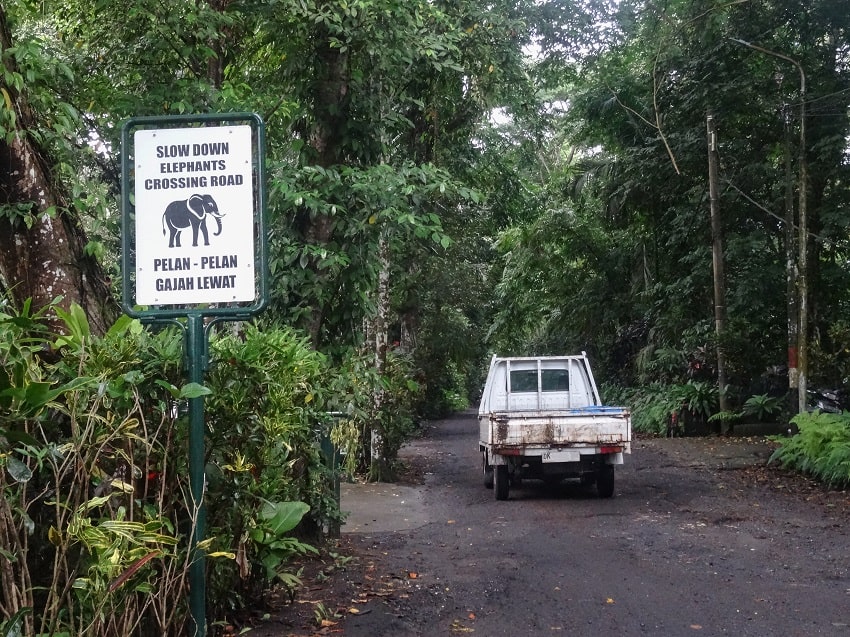
Indeed, the village has long been a shelter for animals. Today, it is best known as a home to the Mason Elephant Park, which has made the area famous amongst tourists. But these elephants, who now enjoy the cool, highland environment, are not indigenous to Bali, they were rescued from relocation camps in deforested regions of Sumatra. Before the elephants, it was another animal that brought people to Taro village.
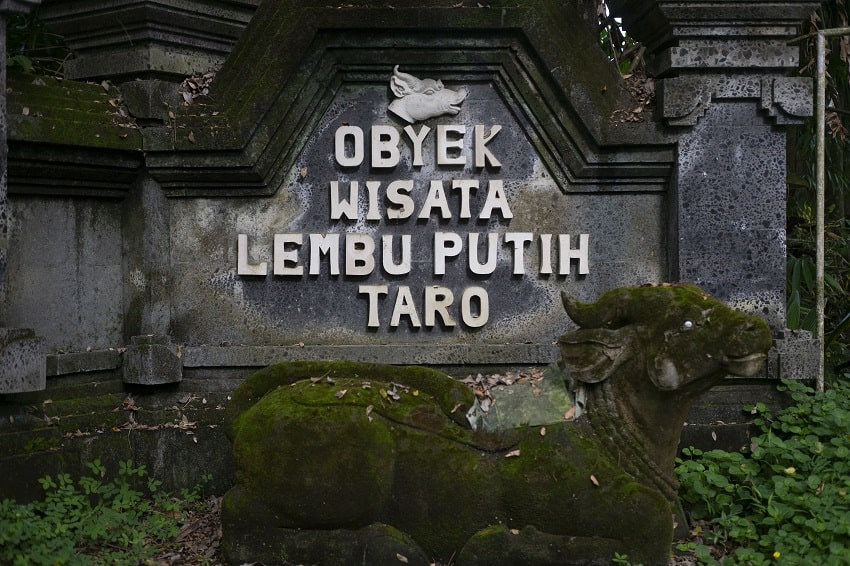
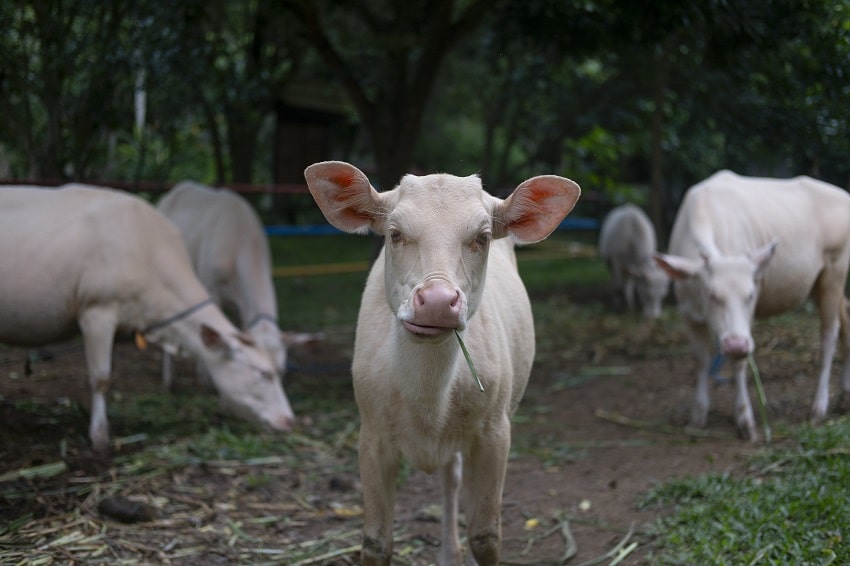
“People have come from afar to see our oxen,” explains Wayan Warka, speaking of the famous lembu putih, or sacred white oxen, that the village was widely known for before the advent of tourism. Whilst these oxen brought visitors to Taro, this was not for tourism, but rather spiritual reasons.
The white ox is considered holy by the community and surrounding villages, seen as the sacred vehicle of the god Shiva, named Nandini. As such, this rare creature has been conserved and treasured by the village.
These oxen must not be slaughtered for meat, sold, or consumed, and are used solely for rituals. For many years, the white oxen of Taro were allowed to roam freely across the entire customary forest. However, as farmland and residences found their way to the forest border, the oxen would graze on crops. Eventually, they were given a dedicated space, managed by Taro Village, where 56 oxen are currently cared for.
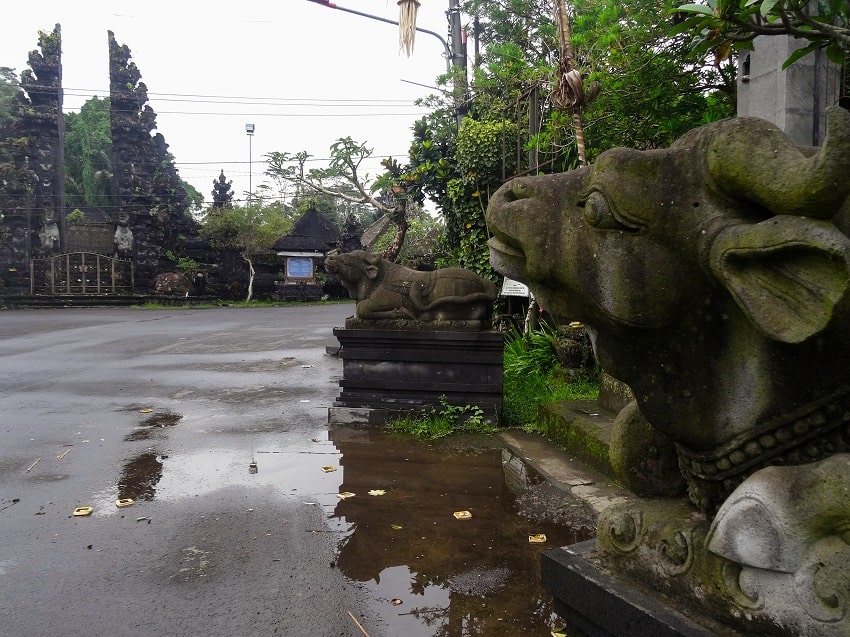
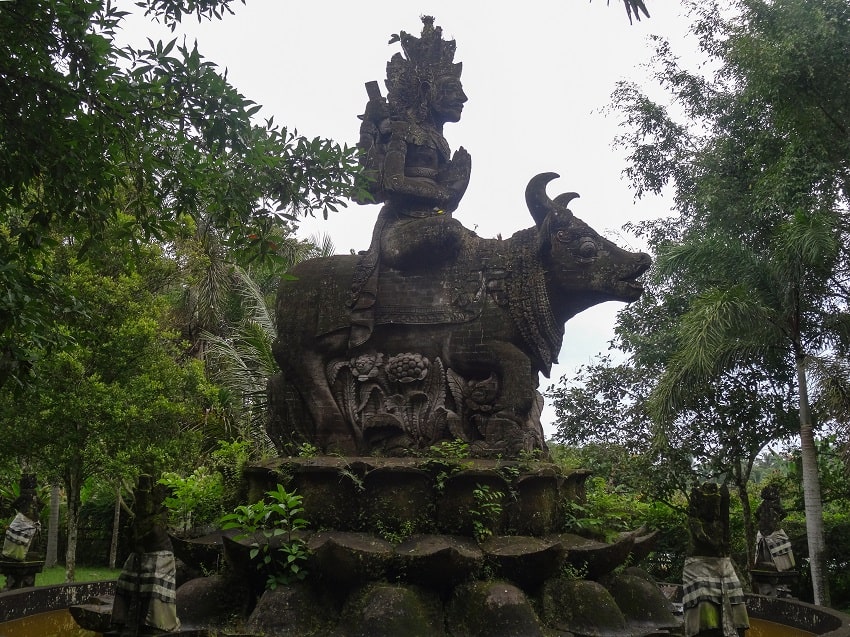
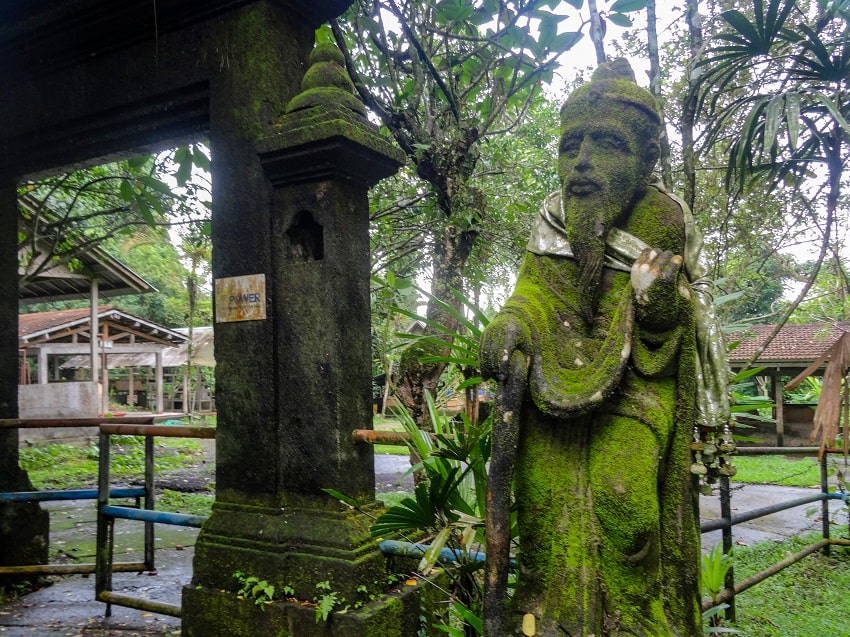
The reverence towards these holy bovines takes us back to Taro’s origins, when the priest Rsi Markandaya visited the region between the 7th or 8th Century, travelling from East Java. Two historical temples in Taro remain dedicated to the priest, Pura Sabaang Daat and Pura Gunung Raung, his sacred footprints in the area.
Pura Gunung Raung is named after a volcano in East Java, which is where the priest was said to have mediated and received the vision to travel to Bali. There is no doubt this is a temple of Taro, with six oxen statues guarding its entrance.
Meanwhile, Pura Sabanag Daat is a humbler place of worship, with no grand shrines and altars, only a stone of lingga-yoni found within. It is a prime example of a forest temple (pura alas), serving the ritual needs of 35 communities in Taro, Ubud and Kintamani.
Ritual follows a similar philosophy, with ceremonies conducted without ritual bells and gamelan music, and a simple temple priest (pemangku) conducting the necessary rituals rather than a high priest (pedanda). The holy water from this temple is also considered special, requested for major ceremonies in surrounding villages.
Another landmark that brings these 35 communities together is Taro’s sacred pule tree (alstonia scholaris, or the Blackboard Tree). It is from the wood of this tree that the Barong masks of those villages are carved: when a village requests for wood, the mangku will wait to see if the tree becomes ‘pregnant’, i.e. if it has a protrusion, which is the ’embryo’ for a sacred mask. Every 210 days, all of the Barong masks born from this mother tree would descend upon Taro to perform.
Taro is considered a ‘Bali Aga’ village, indigenous communities that predate the influences of the Javanese-Hindu empire (Majapahit). As such, the caste system is not recognised here, even those marrying into the village from a high-caste background will lose their title.
This egalitarian social structure supports social harmony and communal decision-making, when discussing things of group importance, from the management of the customary village (desa adat), including the development of their village tourism. They developed family-based homestays and villas, and coordinate the marketing and promotion together. This is a village where business is community managed.
From treks through the forests and river valleys, to visiting the firefly gardens and conservation centre, and of course the white oxen centre, the experiences around Taro are subject to community decisions, which has helped to preserve this pocket of Bali.