


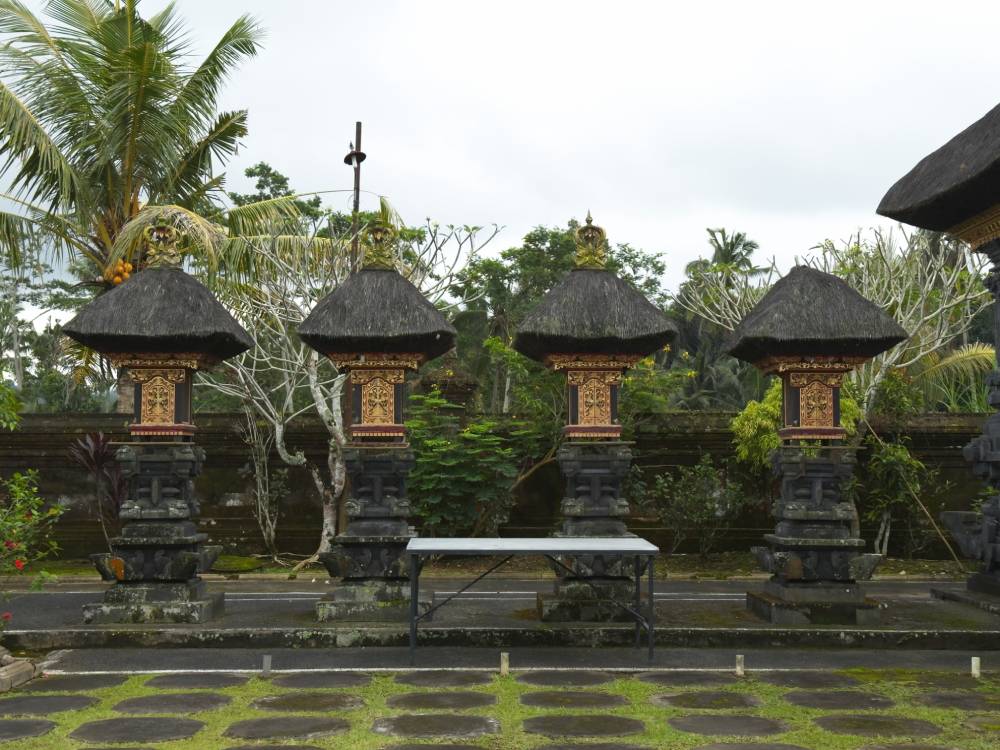
Although the majority of Balinese today practice Hinduism, Bali was once a significant centre where both Hinduism and Buddhism flourished. This shared history is evident in many temples across the island that exhibit Buddhist influences.
One such temple, located in Tampaksiring, represents a unique fusion of Hindu and Buddhist beliefs, a convergence that dates back to Ancient Bali in the 8th century. This is reflected in the presence of the Dhyani Aksobhya Buddha statue within the temple grounds.
The temple is called Pura Pegulingan, and it was unexpectedly rediscovered in 1982 during the construction of a Padmasana Agung (a grand shrine). According to the Lontar Usana Bali, Pura Pegulingan was built during the reign of King Masula Masuli in the year 1100 Saka (1178 AD). The manuscript notes that its construction was part of a grand project involving several other temples, including Tirta Empul, Mangening, Tirta Kamandalu, Pura Penataran Wulan, Puser Tasik, and many more. This ambitious initiative was planned by King Masula Masuli in collaboration with Mpu Raja Kertha.
The lontar also notes that the temple-building project became a communal endeavour, reflecting the Balinese spirit of gotong royong (mutual cooperation). The construction process involved the active participation of Balinese people from various regions, who enthusiastically contributed materials such as paras stone from Blahbatuh, Pejeng, and Tampaksiring. The project is believed to have taken approximately three years to complete.
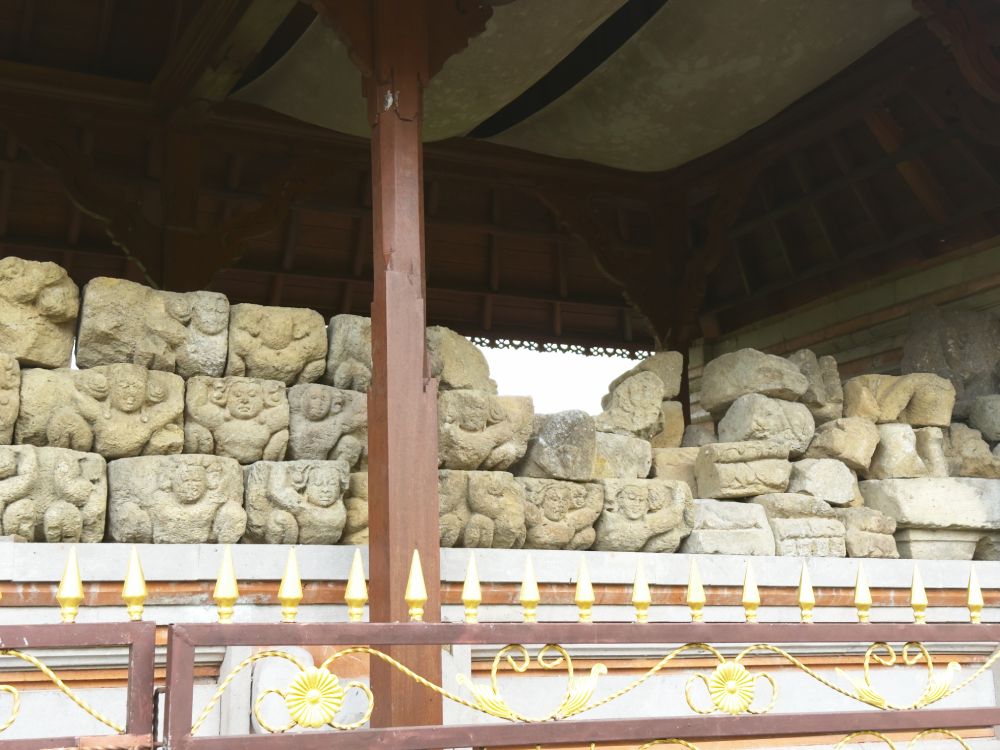
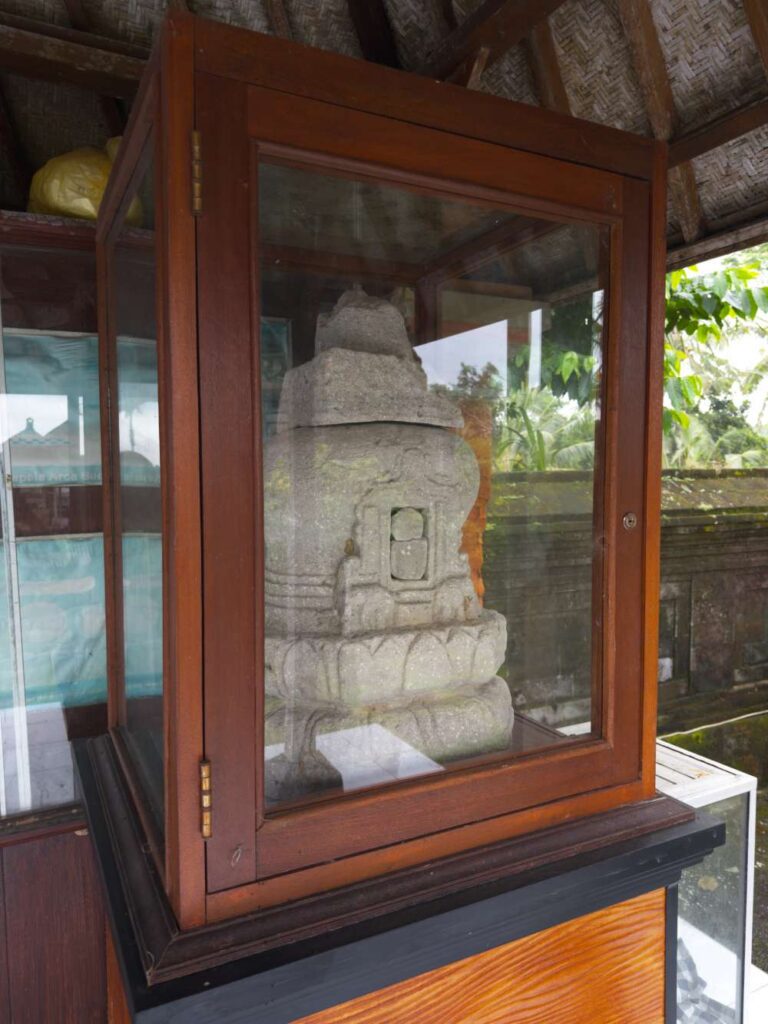
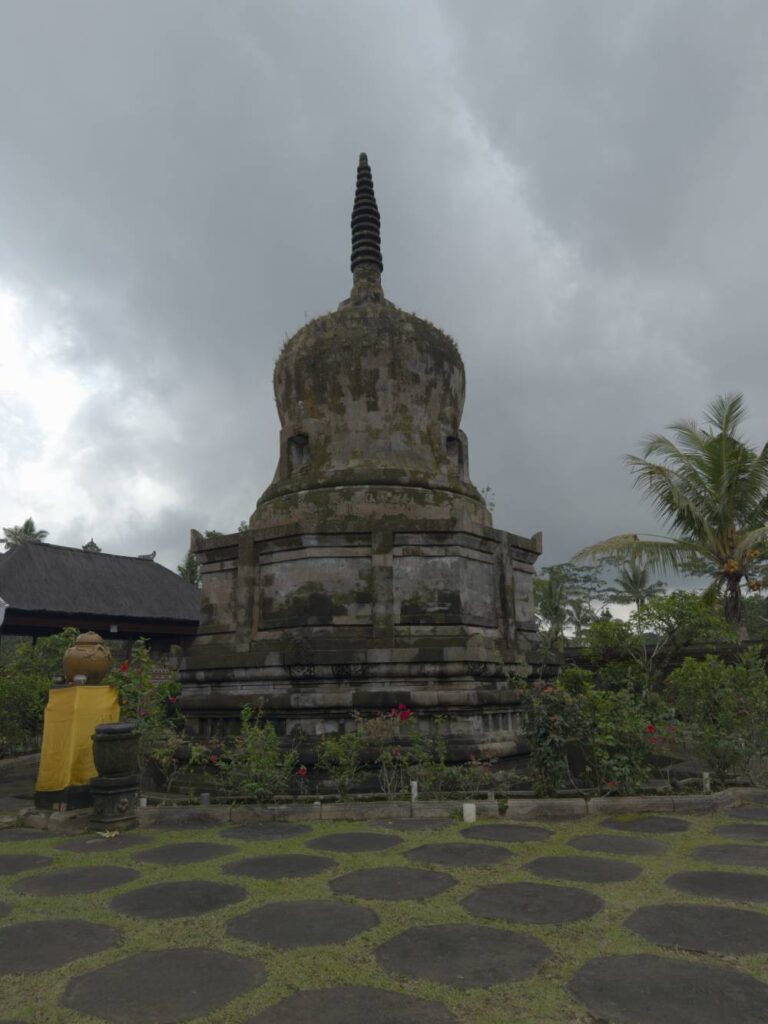
Excavations at Pura Pegulingan revealed Buddhist artefacts including miniature stupas, Buddha statues, and a pripih box inscribed with a Mahayana Buddhist mantra concerning the Dharma teachings, written in Sanskrit using Pra-Nagari script. The box contained 62 clay seals, metal plates, and numerous fragments of a bronze bowl, such boxes were typically used near monuments to facilitate religious rituals and ceremonies. Other religious artefacts found include a vajra (ritual object), incense pots, and further fragments of Buddha statues.
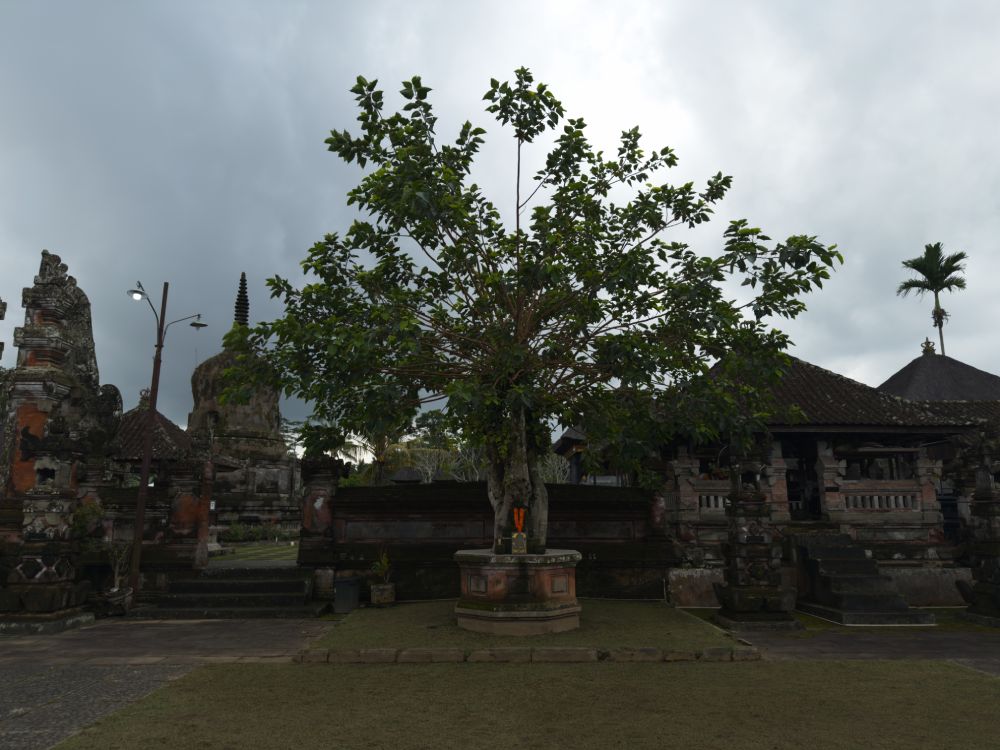
In terms of architecture, Pura Pegulingan comprises three mandalas (courtyards): Nista Mandala (outer courtyard), Madya Mandala (middle courtyard) and Utama Mandala (inner courtyard). From a Buddhist perspective, this layout mirrors the “three realms”: the Realm of Desire (Kāma-loka), the Realm of Form (Rūpa-loka) and the Formless Realm (Ārūpya-loka). From a Hindu viewpoint, it reflects the Tri Kaya Parisudha philosophy, which encourages purity in thought, word, and deed. However, as Balinese temples typically consist of two or more courtyards, this arrangement also corresponds to traditional temple zoning, where each successive courtyard becomes increasingly sacred as one moves inward.