


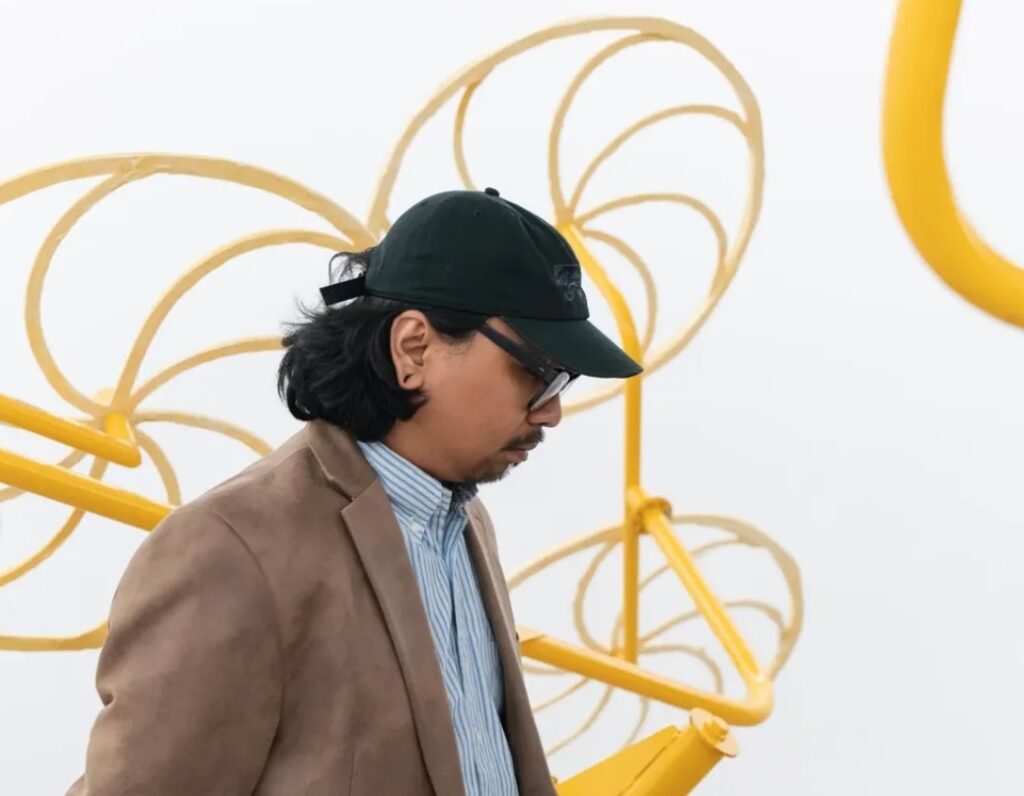
NOW! Bali Magazine talks with Krisna Sudharma, curator and artistic director of Nonfrasa, a contemporary art gallery in Ubud, established in early 2021, during the second year of the pandemic.
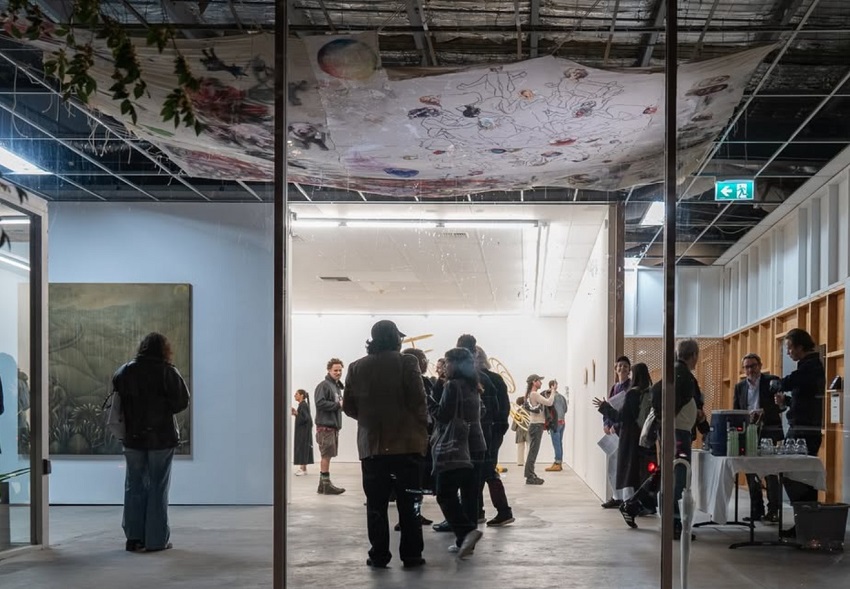
We reflect on Nonfrasa’s first five years of operation, Krisna’s vision, journey, and his collaboration with Desa Projects, culminating in Octopus 26: Melange, a group exhibition of Balinese, Indonesian, and Australian artists at Gertrude Contemporary, Melbourne, Australia (10 April – 30 May 2026).
RH: Krisna, please share a little about the Nonfrasa vision.
KS: Nonfrasa is dedicated to engaging emerging artists and fostering left-field work from established artists in Bali and Indonesia. We explore the artistic range and context of art, culture and history through narratives and practices that actively expand modern and contemporary identities in Bali.
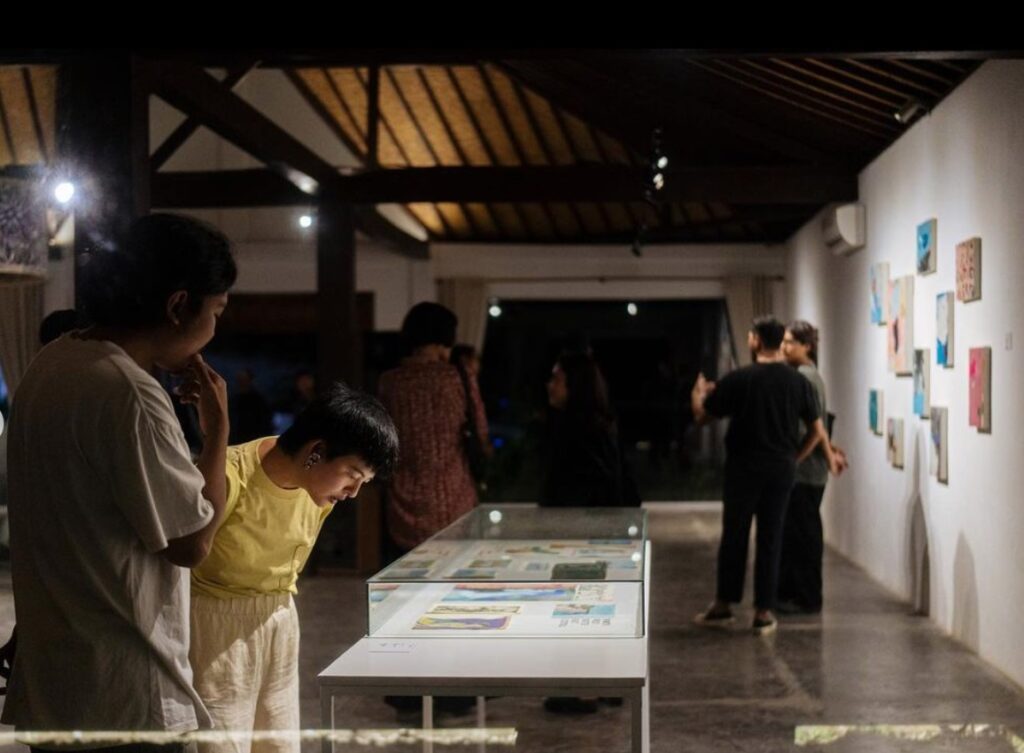
RH: Have the short-term objectives of your vision been realised?
KS: I believe the things we’ve nurtured from the very beginning are gradually resonating and finding the path we envisioned. It’s something we planted and shared together. We’re fortunate to stay connected and exchange ideas with people who trust in our values. What we’ve been building over the last 3-4 years was finally nurtured, and we were able to navigate and shift gradually and intentionally. That has become the way we communicate. The journey ahead is still long, yet I trust the dynamic and the dialogues continue to expand here in Bali.
Thinking about the realisation of the vision, I’ll leave that to the audience to decide. To those who support us, and to those who stand opposite. Our team is still small, not yet growing, but our endurance and experience continue to expand. We always search for better ways to carry the excitement forward while staying disciplined in our program. The vision circulates — zooming in and out through each step, each milestone. And yet it feels too soon to cherish or declare it realised. We still have work to do.
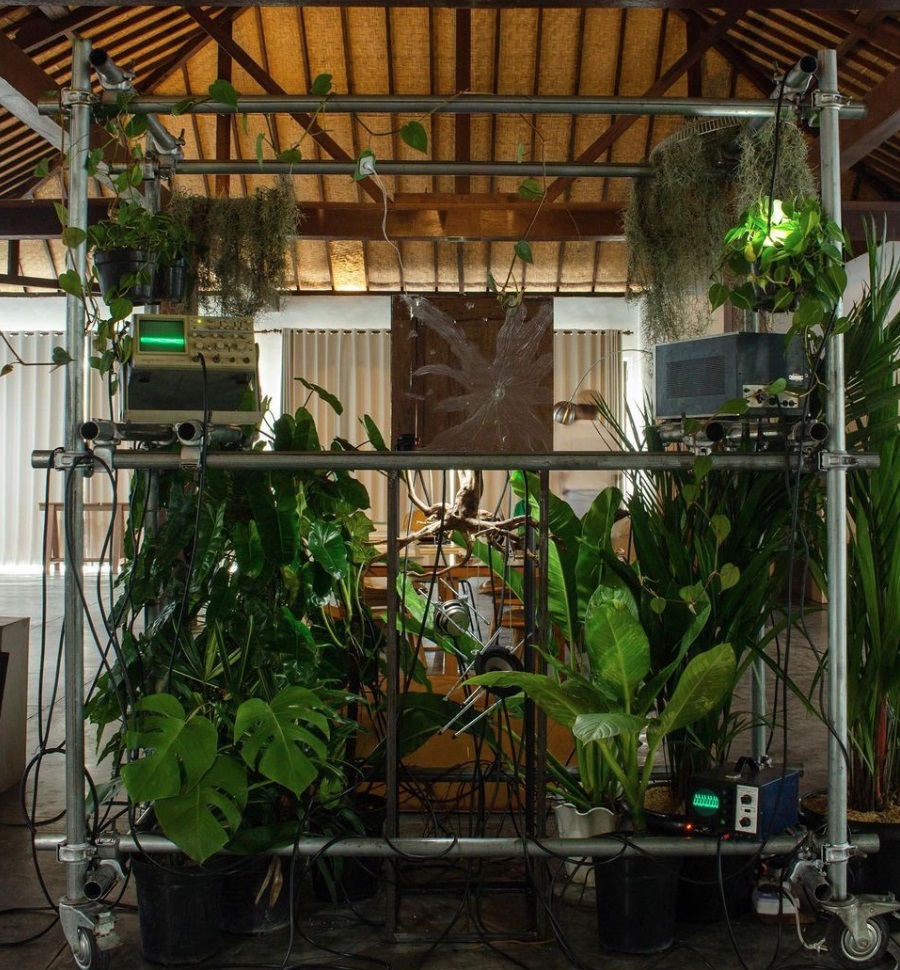
RH: Moving beyond the initial obstacles you encountered during the pandemic, what have been some of the other challenges you have confronted?
Our most persistent challenge has been the lingering feudalism that still saturates many aspects of Bali’s creative landscape. Gatekeeping remains rampant—from the hoarding of information to the selective ‘welcoming’ of work into certain circles. While progressiveness is essential, many choose to cling to old methods of distribution and meritocracy.
There is a recurring friction between maintaining quality and embracing inclusivity, but often the ‘inception’ is skewed. My stance has always been: if we aren’t invited to the table, we build our own. For the first two years, our work was about decoding the relevancy of art, access, and presentation without diluting our vision to fit the market. We are moving in the right direction precisely because we refuse to blend in.
RH: What have been some of the unexpected highlights of your journey?
In our first year, we didn’t have a roadmap; we had trials. It wasn’t the ‘ideal’ way to start, but that lack of a rigid path allowed us to be incredibly responsive. The greatest highlight has been the recognition from major institutions and practitioners. It validates our belief that a ‘right inception’—a foundation built on intentional curation, discourse, and a symbiotic relationship between the gallery and the artist—actually resonates. We have moved beyond just ‘showing art’ to a place where the gallery and the artists act as mirrors; we are constantly redefining one another.
Beyond institutional recognition, the most profound—and perhaps most heart-warming—realisation is how our vision has begun to nurture the actual lives and legacies of our artists.
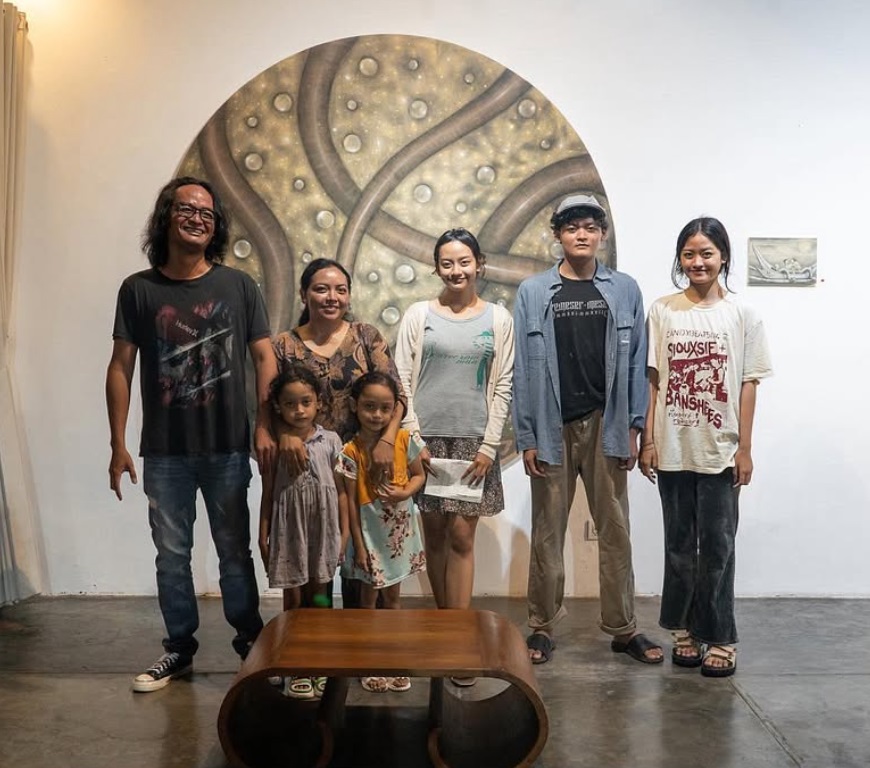
Witnessing Nyoman Darmawan’s lineage continue through his two daughters and his son—who is now pursuing his academic path in Yogyakarta—is a reality that is almost too much to process. It hits harder than any gallery review. It may seem like a small detail in the grander scheme of the art world, but for us, it is everything. It proves that our work isn’t just about ‘nuance’ or aesthetics; it’s about creating the stability required to sustain a lineage. That impact is the primary fuel that keeps us going.
RH: Your collaboration with Desa Projects, (formerly Desa Desa) has been a wonderful opportunity to extend your vision internationally, along with curating Octopus 26: Melange in Melbourne. Can you briefly share how this prospect came about?
To be honest, it’s hard to write about this without getting emotional. At first, we were just sharing thoughts over drinks. We had no idea how far this ripple would travel. But that casual conversation grew into a deeply meaningful project, a profound mentorship, and an entirely expanded horizon.
The turning point came while preparing what would become a seminal exhibition for Nonfrasa. I brought Todd McMillan and Sarah Mosca, Co-founders and Co-directors of DESA Projects, into the fold, sharing a text I had written that deliberately confronted and revisited the cultural themes most frequently avoided. By choosing to sit with those uncomfortable, overlooked spaces rather than offering a sanitised version of our culture, we unlocked a deeper framework. That specific critical honesty became our bridge to Gertrude Contemporary in Melbourne.
RH: What have been some of the key aspects you have learned from this experience?
During our journey, we’ve met so many incredible people. My approach will always be to stay open, embrace dialogue, & nurture pathways that stretch what we can do. But a major lesson has been learning to truly read intentions.
Growth requires the mindfulness to recognise when a shared momentum is no longer serving the foundational mission of our work. I’ve learned that protecting the gallery’s vision means being comfortable with making hard choices. It doesn’t require noise or conflict; it requires a quiet, firm clarity to move forward independently when the alignment is no longer there.
RH: How do you believe Indonesian and especially Balinese contemporary art sits within the global art context? Is there something unique that Balinese art offers the international contemporary art discourse?
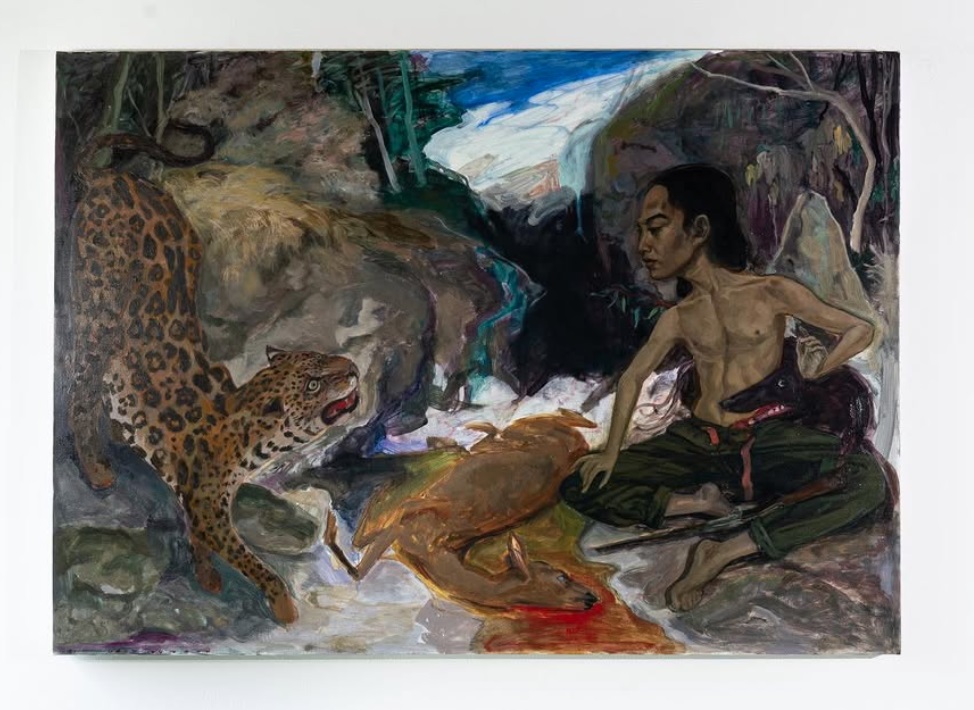
To address this, I look to the framework of ‘Post Bali’—initiated from the intellectual friction artist Gede Mahendra Yasa (b.1967) experienced following his solo exhibition in Italy in 2011. Upon returning, Yasa confronted a profound internal friction: the glaring gap between the realities of his practice in Bali and the rigid expectations of the global art canon. In response, he began reconstructing the discourse—revisiting technique, narrative, & materiality to strip away the exotic gaze & ground traditional elements in a contemporary context of real value. At Nonfrasa, we treat this hypothesis as a living framework, intertwining experimental premises with localised realities to expand what is possible.
When institutions try to neatly categorise ‘Balinese Contemporary Art,’ it feels incredibly lazy. It completely undervalues the deep traditional and modern frameworks that already exist and thrive here. This obsession with surface-level definitions is a tired, heavy discourse, & it is simply not my responsibility to decode or validate it for the global context.
Instead of just discussing these parameters, I want to dig into the vernacular realities, the empirical viewpoints, and the deeply personal, untamed journeys of our artists. We are stretching these boundaries gradually, far beyond geographical labels. We are still far too early in this realm to define what this completely means. Right now, we are just fortunate that our artists entrust Nonfrasa with this raw dialogue so it can resonate outward. If you are looking for a neat, definitive answer, ask me again in five or ten years when the dust has settled.
Images courtesy of Nonfrasa & Kadek Bagaskarra, Liandro Siringoringo, Machiko Abe and Christian Capurro.
Stay connected to the gallery by following them on Instagram: @nonfrasa