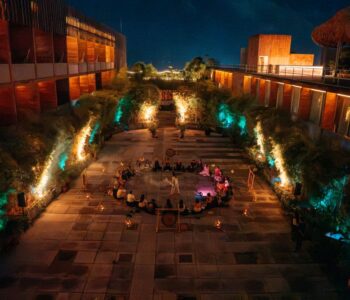



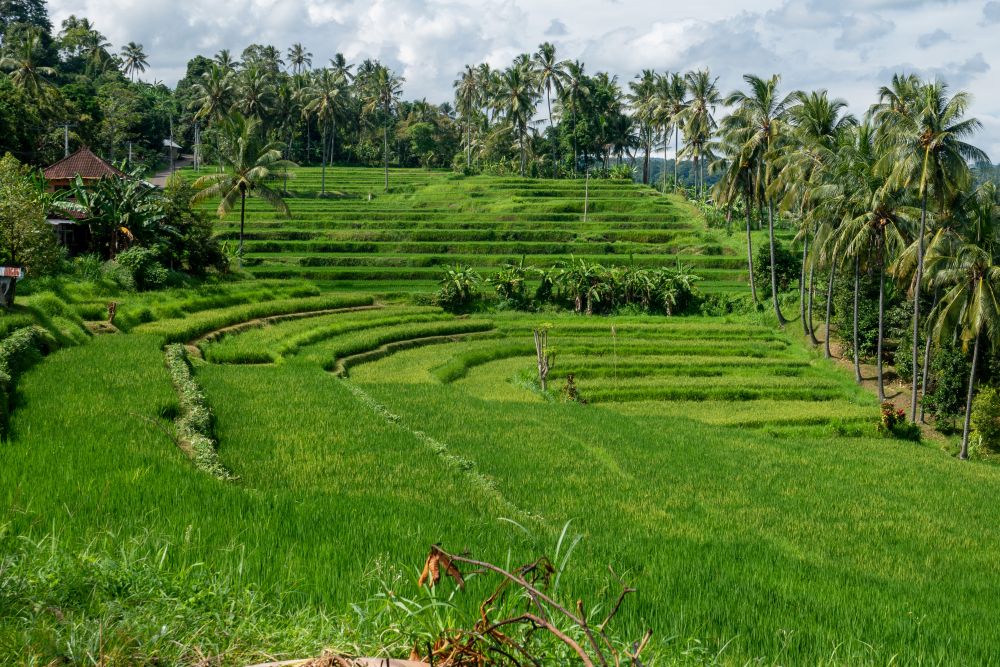
In the serene highlands of North Bali, where the roads narrow into village lanes, and the air still carries nature’s pristine scents, Mayong Village invites wanderers to explore the paths less travelled.
Tucked deep in the hinterlands of the Seririt District of Buleleng Regency, this rural village has remained largely off the radar of South Bali’s busying crowds. The two-and-a-half-hour drive from Denpasar has kept it sheltered from both swathes of tourists and the development that comes with it.
Mayong offers an experience of the Bali that still follows agrarian rhythms, ancestral stories, and spiritual traditions, which continue to shape daily life. For those willing to venture beyond Bali’s more familiar routes, this village oasis in North Bali promises a refreshing roam through charming rural countryside.
A Village of Ancient Origins
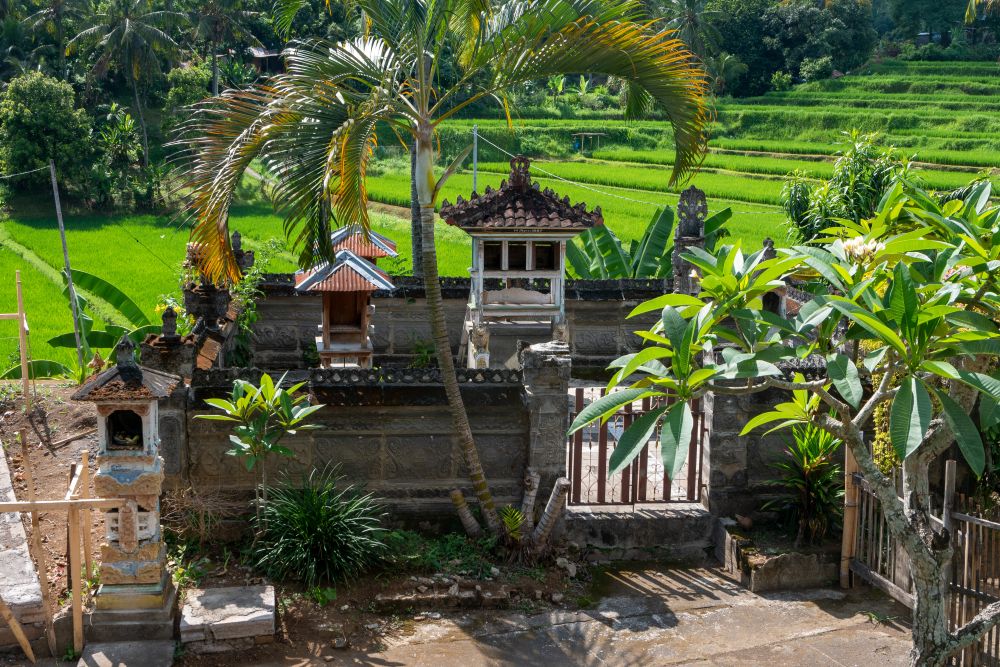
Long before Bali became known as a global destination, Mayong was already part of the island’s early human story. Archaeological findings in the village point towards settlements dating back to the megalithic era, with ancient sarcophagi and stone relics discovered in areas such as Poh Asem. These remnants suggest that the region has been inhabited since prehistoric times, making Mayong one of North Bali’s understatedly significant historical landscapes.
Beyond its archaeological traces, the village is also deeply intertwined with Bali’s spiritual and mythological narratives. Local records and oral traditions recount journeys from East Java and Jepara that shaped the formation of Mayong centuries ago – according to the Poh Galuh Inscription, dated 841 Saka or 919 AD, respected figures, including Ki Pasek Kubayan and Ki Pasek Dalem Madura, travelled from Jepara alongside King Ida Bhatara Dalem Lingsir on a sacred journey towards Bali.
Their path is said to have stretched from Jepara to Gresik before eventually crossing to the island’s northern coast of Pulaki. From there, they continued inland through areas including Karangsuwung and Ringdikit before finally arriving at Pohasem. Seeking a safer and more strategic settlement, they moved westward and established what would later become known as “Maya-Wong”, eventually shortened to Mayong.
The name itself carries spiritual meaning: according to local interpretation, “Maya-Wong” reflects the harmony between the seen and unseen worlds – sekala and niskala – concepts that continue to shape Balinese Hindu philosophy today.
Throughout the village, traces of these ancestral journeys remain embedded in sacred sites and traditions. Temples such as Pura Dalem Kertha Mayong stand not only as places of worship but as living custodians of collective memory, where ceremonies, offerings, and rituals continue to honour those believed to have founded and protected the village generations ago.
Sacred Landscapes and Spiritual Life
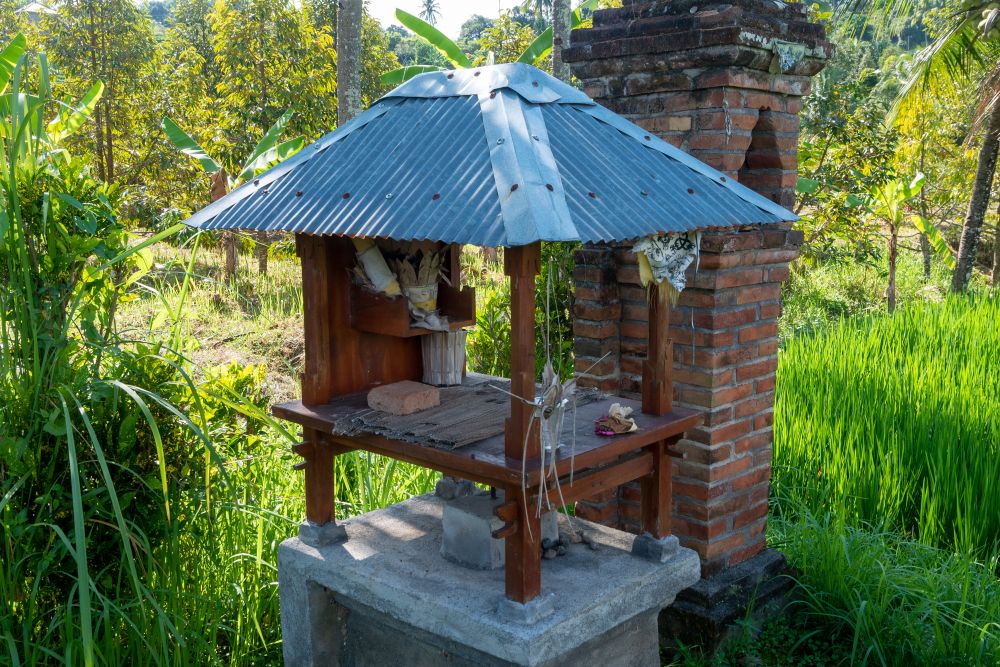
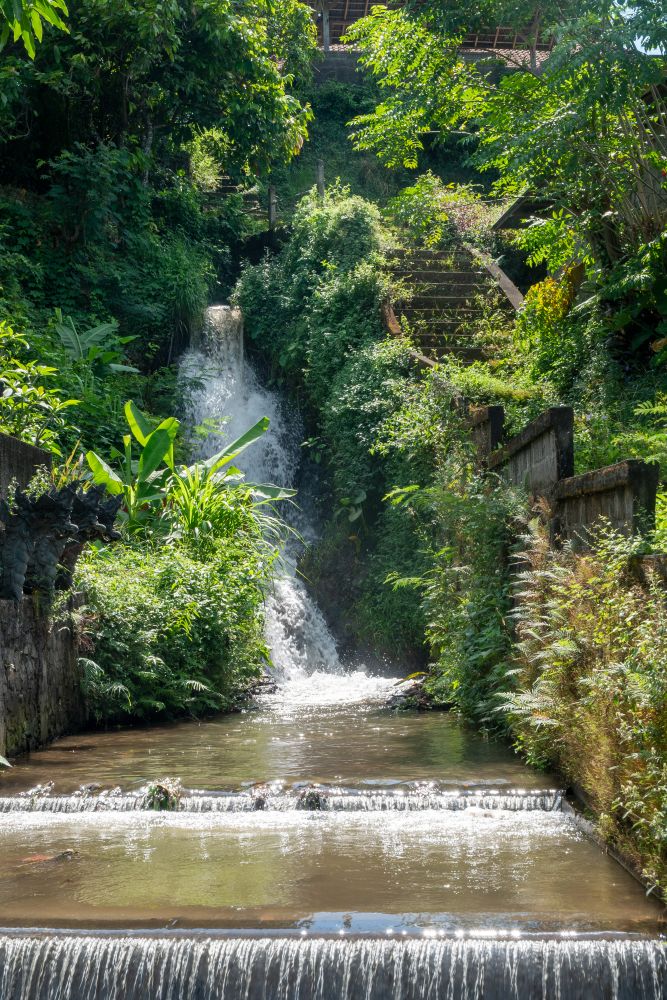
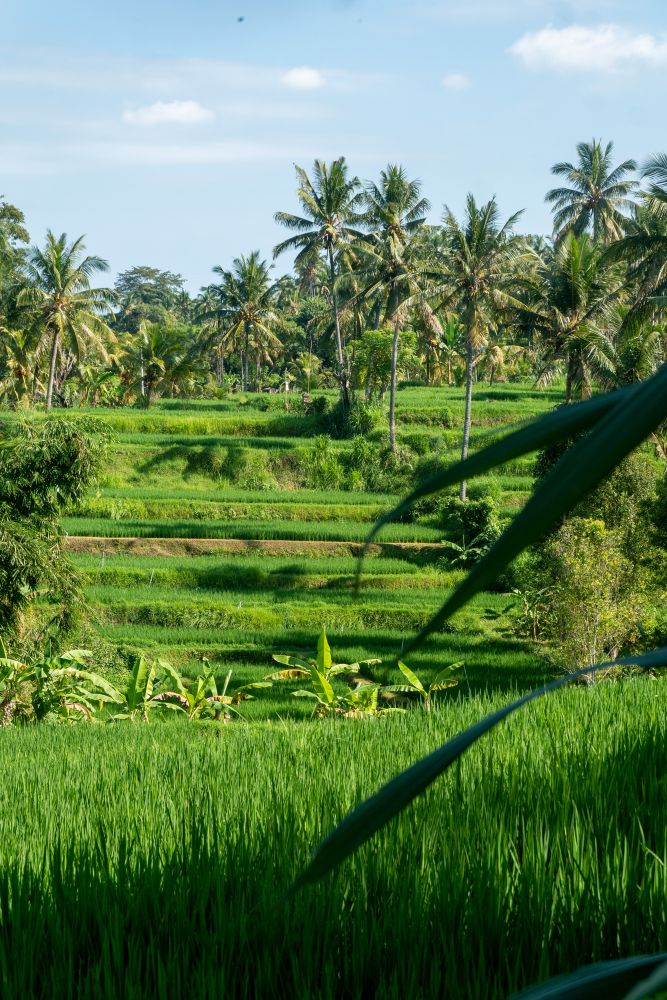
Like many traditional Balinese villages, Mayong’s spiritual identity is tied to its physical landscape, and, due to its slow development, much of this remains visible and palpable. Temples are woven naturally into the terrain, jutting out beside the rice fields, hidden in forest fringes or overlooking the sloping valley.
Among the village’s important temples are Pura Puseh Lan Desa, Pura Dalem Kertha, Pura Siwa Pasupathi, and Pura Batur Sari, each playing a distinct role in community worship and ceremonial life – an atmosphere most tangible during piodalan temple festivals as residents gather for rite and ritual.
Speaking of which, Mayong has its very own cultural highlight: the sacred Rejang Lanang dance, a traditional performance deeply connected to ritual practice and spiritual devotion. Unlike performances staged for entertainment elsewhere on the island, dances here remain part of living ceremonial traditions, performed within the context of temple celebrations and communal offerings.
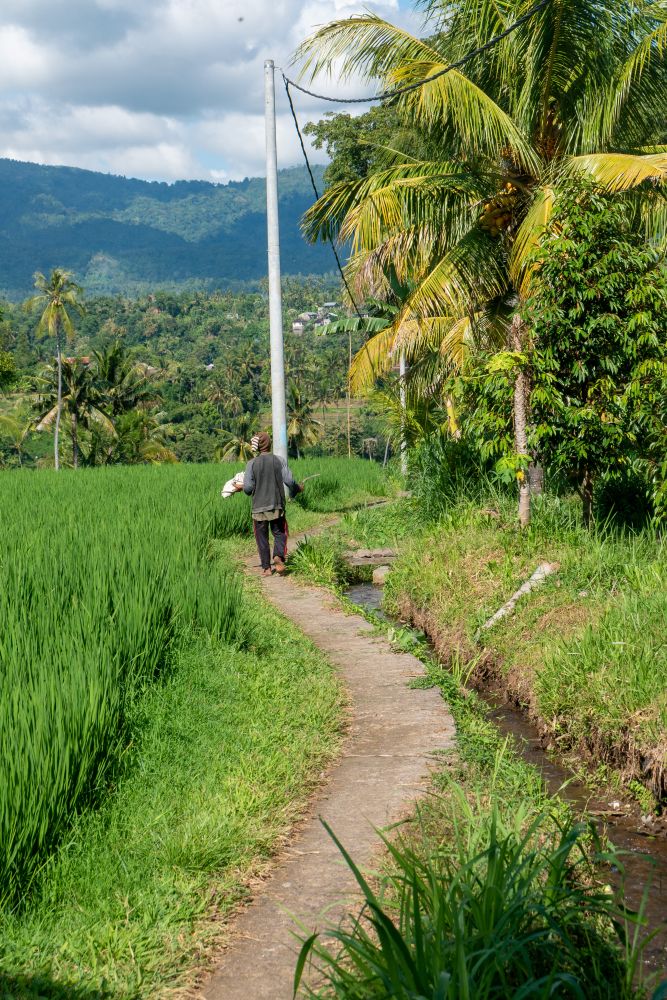
The majority of Mayong’s land remains dedicated to agriculture, with the village’s identity still deeply tied to farming. Rice fields continue to dominate, with the subak carving and shaping the terrain, following the contours of the rolling highland environment.
But the area is fertile ground for other produce too – shrubs of coffee and cacao, the creeping vines of vanilla orchid, and the blooms of clove add to the diversity of nature’s bounty harvested by the village residents.
A Hidden Gem of North Bali
Despite its appealing landscape, Mayong remains off the beaten path even for those making the journey to North Bali. Tucked away in the mountains that cascade towards the northern coastline, the village is shadowed by the more popular destinations of Buleleng Regency, Lovina, Singaraja and Pemuteran. As such, it has not been granted ‘destination status’ in its own right, but certainly adds to the appeal of the region, alongside nearby attractions like the Banjar Hot Spring and Brahmavihara-Arama Buddhist monastery.
This may in fact be its main allure. Mayong itself is less about ticking attractions off on an itinerary and more about immersion – slowing down long enough to observe the charms of village life and experience a side of Bali that remains deeply connected to its cultural roots. Those in Bali seeking luxury nightlife or beachside entertainment won’t find much joy here, but people drawn to authenticity, serenity, and meaningful connection will discover a satisfaction that lingers long after the journey ends.
Check out NOW! Bali’s Central-North Bali Road Trip Itinerary.
Experience Rural Bali with Mayong Cultural Walk
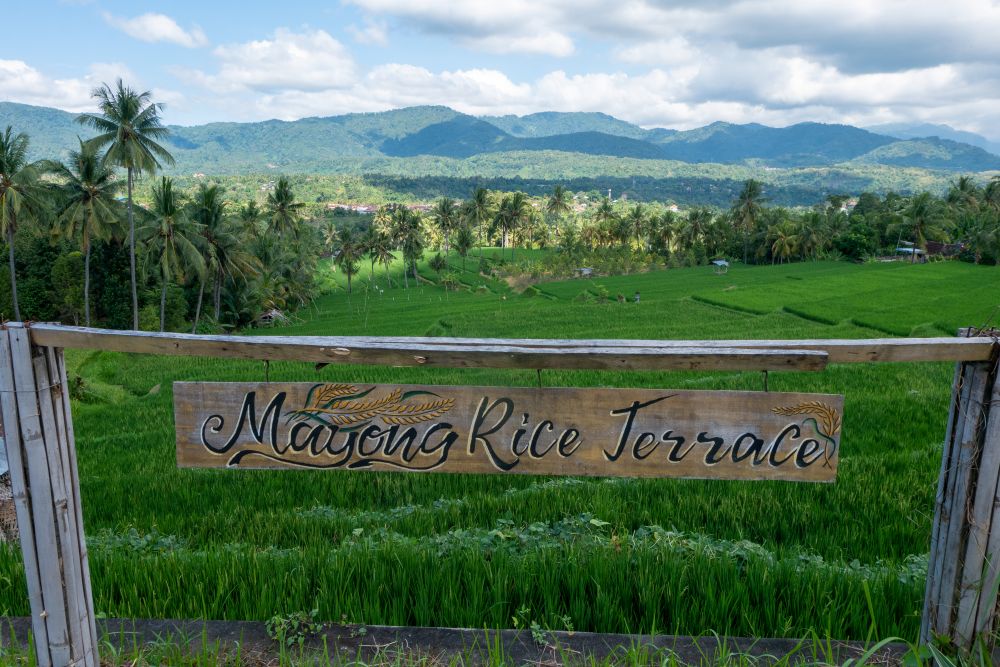
One of the most meaningful ways to experience the village is through the Mayong Cultural Walk, a locally guided journey that invites travellers into the heart of Mayong’s countryside and community life.
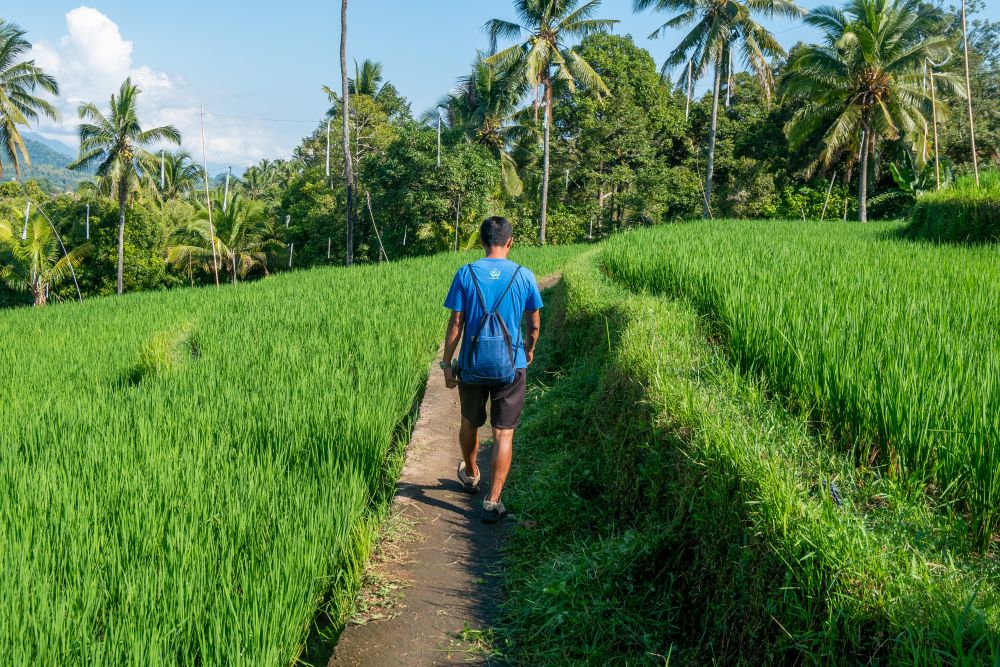
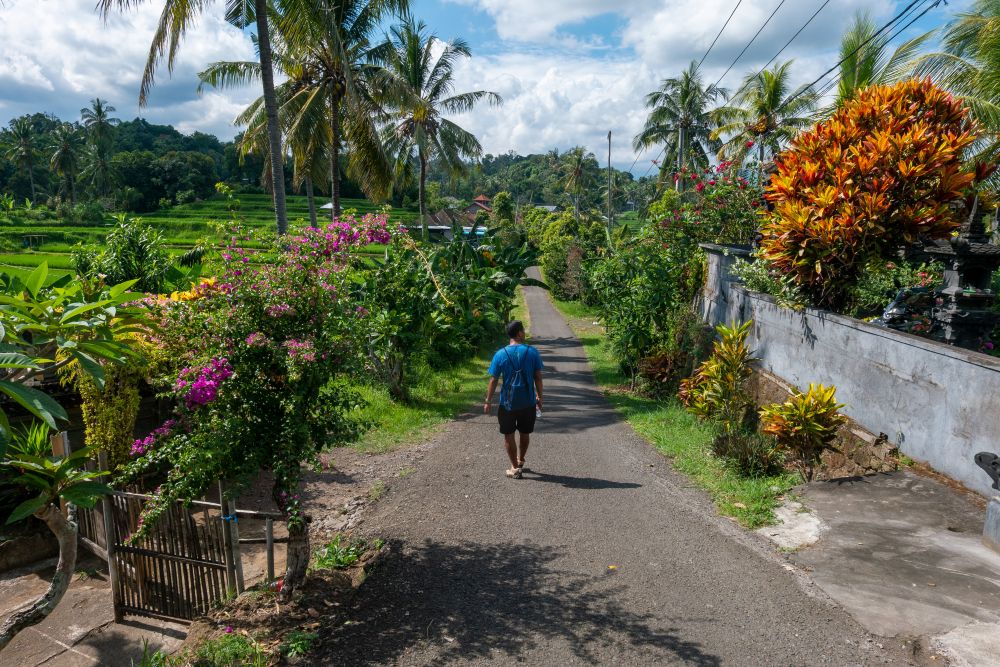
Unlike the commercial trekking experiences found elsewhere on the island, the walk feels deeply personal and grounded in genuine human connection. Flexible by nature, there is no fixed starting point to the experience, with routes thoughtfully adapted according to guests’ interests, energy levels, and pace. Visitors typically meet their guide at Mayong Viewpoint before continuing towards the chosen trailhead.
Founded by Putu Artana as a way to share the traditions, agricultural heritage, and everyday rhythms of his home village with travellers, the experience remains closely tied to the local community. Whilst the walk is often led by Putu Artana himself, guests may also be accompanied by members of POKDARWIS (Kelompok Sadar Wisata), a village-level Tourism Awareness Group dedicated to preserving and developing Mayong’s tourism potential.
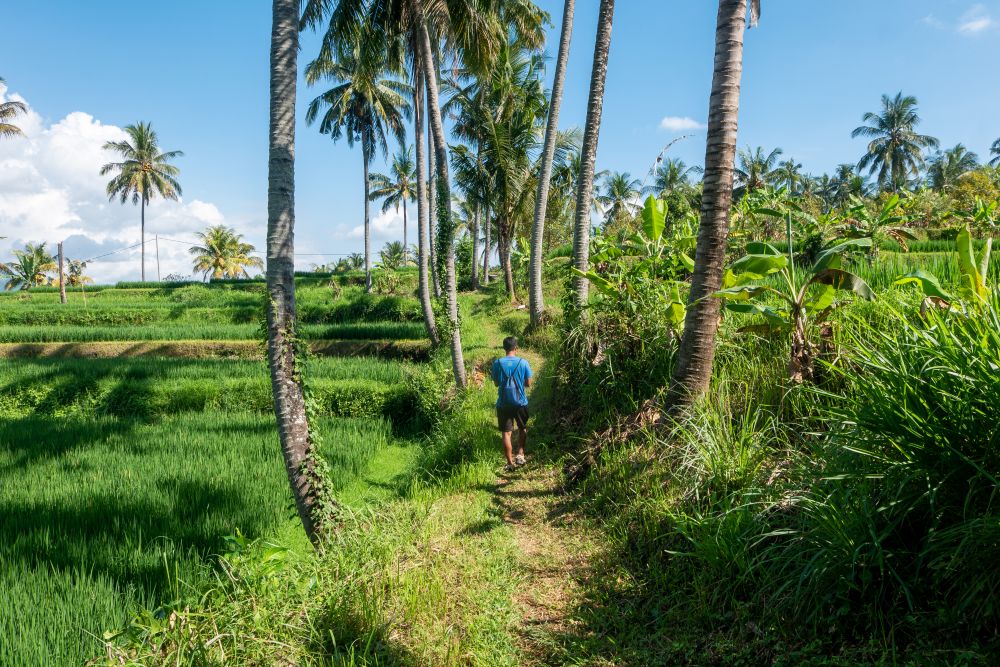
During NOW! Bali’s visit, the team was guided by Wayan Dedi Artawan, a member of POKDARWIS whose quiet familiarity with the landscape added a thoughtful and deeply human dimension to the journey. Beyond simply pointing out plantation and village landmarks, Dedi shared reflections on how life in Mayong has gradually shifted over recent years.
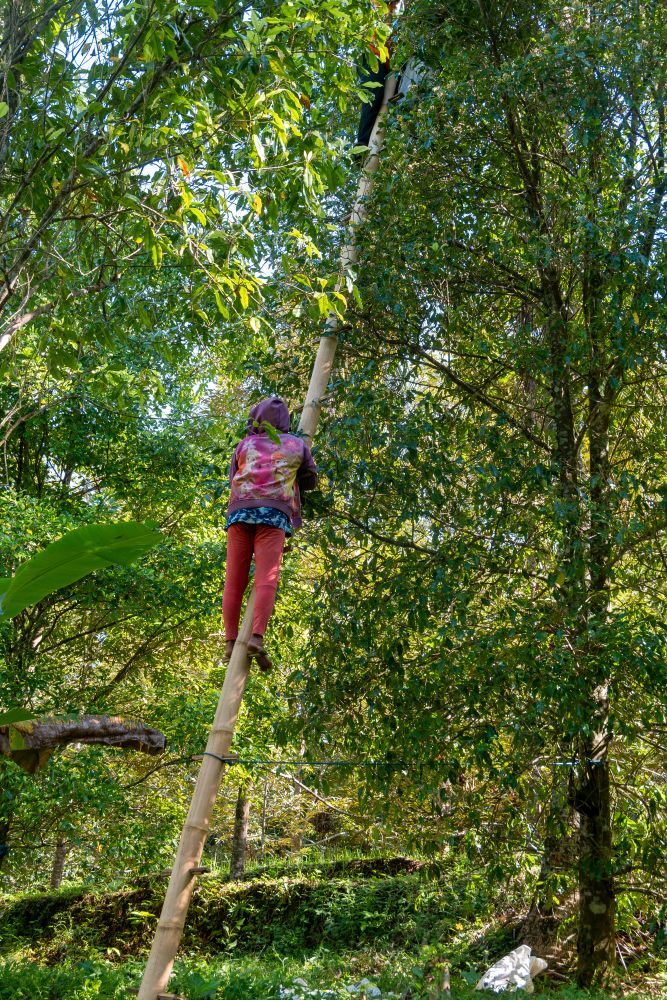
As the path wound through clove groves, tropical plantations, and scattered rice terraces, he explained that many of the village’s rice fields have slowly disappeared as farmers increasingly choose to cultivate cloves instead. With cloves offering significantly stronger financial returns than rice farming, more agricultural land has slowly transitioned away from traditional rice cultivation.
At the same time, Dedi spoke candidly about how younger generations are increasingly leaving the village for Denpasar and other urban areas in search of employment opportunities, rather than continuing the farming traditions passed down through their families. His observations quietly revealed the changing realities faced by many rural communities across Bali today, where economic pressures continue to reshape both the landscape and generational ties to agriculture.
With a suggested early start at 9 AM, the trek itself lasts approximately two to two-and-a-half hours along relatively easy terrain suitable for families and casual walkers. However, with the optional lunch break, the full experience concludes around 1 PM. Routes may vary depending on the group, particularly for those travelling with young children, as guides often begin the walk uphill before descending gradually for a more comfortable journey.
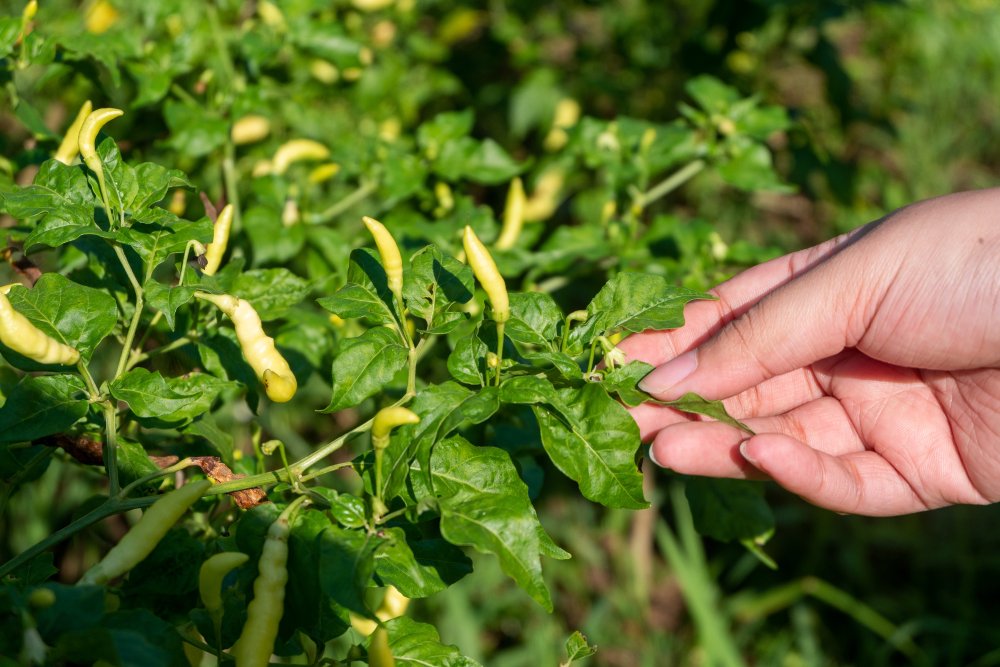
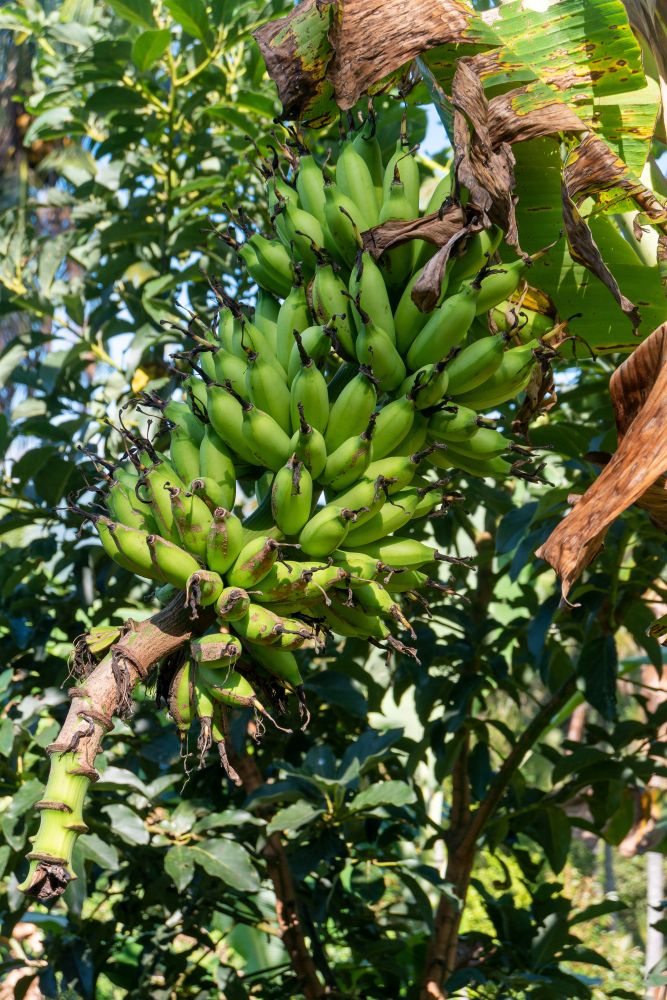
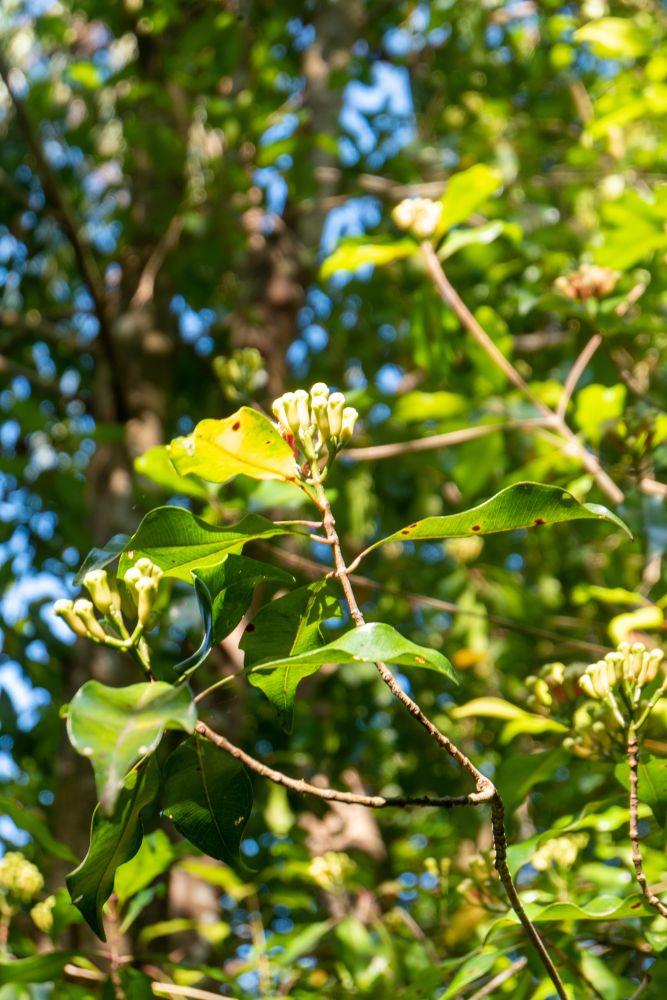
Yet, what makes the experience truly memorable is not the difficulty of the trek, but the stories encountered along the way. Cloves, coffee, cacao, durian, jackfruit, rambutan, mangosteen, vanilla, and native medicinal plants thrive throughout North Bali’s fertile landscape, each carrying its own role within village life and tradition. Along the route, visitors gain insight into traditional farming practices, ceremonial customs, local beliefs, and the everyday relationship between spirituality, agriculture, and community life in rural Bali.
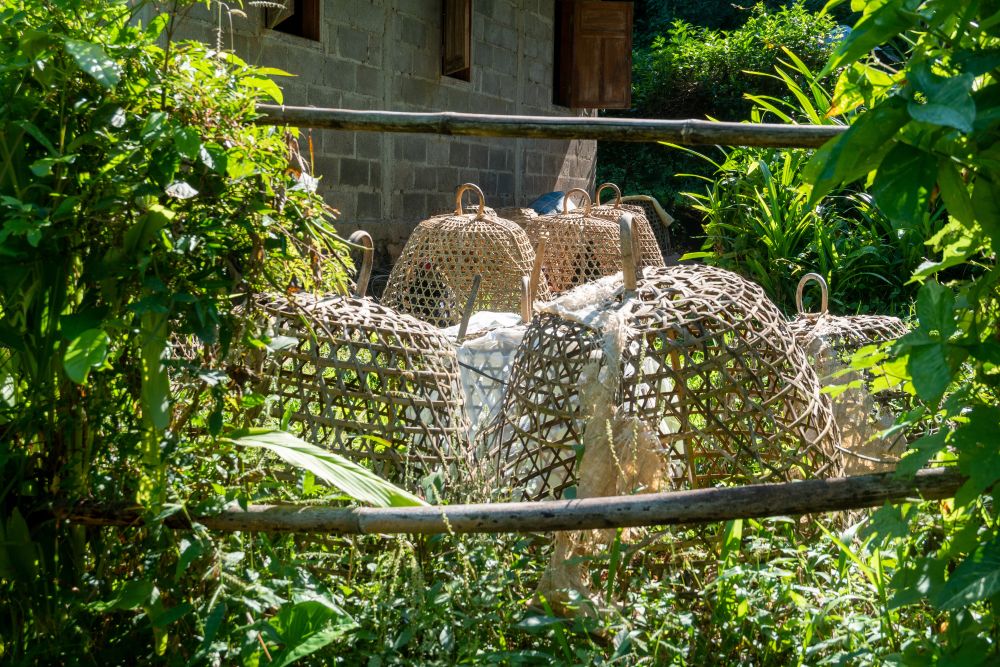
The walk also offers a rare opportunity to witness village life unfolding naturally and unfiltered. Farmers tend their crops beneath the morning sun, elders gather outside family compounds exchanging conversation, whilst children cycle through the quiet lanes connecting one banjar to another. These fleeting encounters, though seemingly ordinary, lend the experience its strongest sense of authenticity.
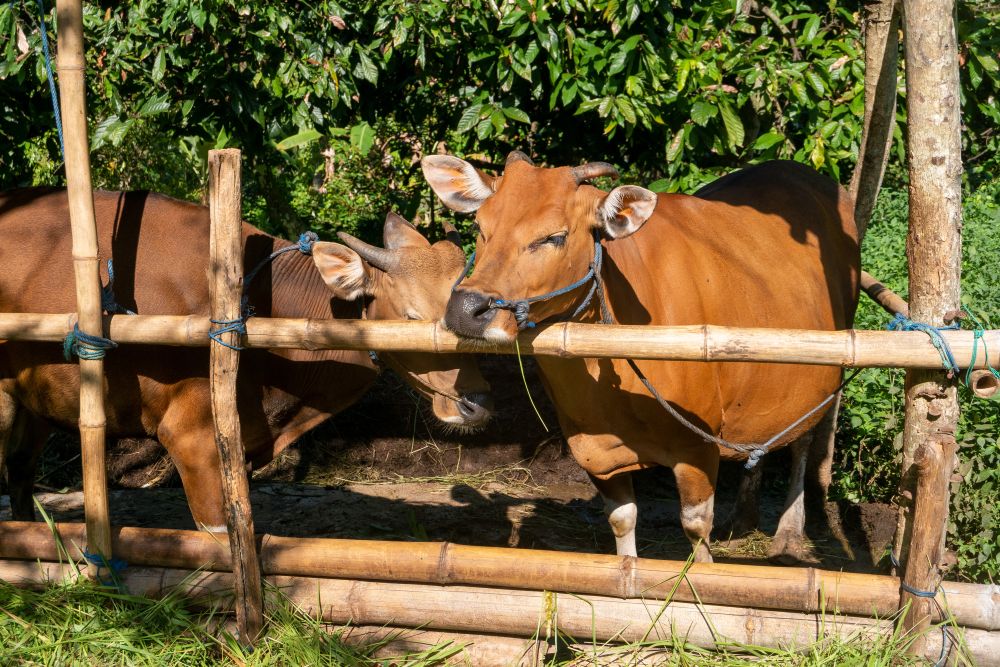
At the halfway point, guests are brought to a privately owned area open for public visits, offering a peaceful space to pause beneath the shade of the surrounding hills. Here, a long communal wooden table rests under a covered patio where guests can enjoy lunch whilst overlooking a small sanctuary of rescued and cared-for animals on the property – an unexpectedly charming moment within the experience.
Guests may choose between several package options depending on how they wish to explore the village. Some opt solely for the trekking experience, whilst others include a traditional Balinese lunch either at Putu Artana’s home post-trek or at a scenic halfway pitstop, where boxed meals are delivered and enjoyed amidst the surrounding countryside.
The walk generally begins at 9 AM, with an optional afternoon session starting at 1.30 PM, which begins with lunch before the trek. As a community-based experience, guests may share the walk with others depending on daily bookings, and advanced reservations are recommended to secure availability.
The experience is priced at IDR 150,000 per person for the guided walking experience only or IDR 300,000 per person including lunch. Special rates are available for children under 10 years old, whilst children under 5 years old may join free of charge.
As the day unfolds across Mayong’s quiet village lanes and slowly changing landscapes, what lingers is not simply the scenery itself, but the sense of connection formed through shared stories and everyday encounters. Through its people, traditions, and evolving agricultural realities, Mayong Cultural Walk offers a meaningful glimpse into a side of Bali that continues to move at its own gentle rhythm.
Mayong Cultural Walk
Jl. Kiskinda, Mayong, Kec. Busung Biu, Kabupaten Buleleng
+62 823 4071 9179
@mayongculturalwalk_
mayongculturalwalk.com