



A recently published photography book chronicles the 1952 sketching adventure to Java and Bali by four artists – Chen Wen Hsi, Chen Chong Swee, Cheong Soo Pieng and Liu Kang. Written by Gretchen Liu and published by the National Library Singapore, Bali 1952: Through the Lens if Liu Kang adds a unique visual window into Bali’s storied past, seen through the eyes of pioneering Singaporean artists.
With over 250 black-and-white photographs on landscapes, architecture and scenes of daily life in Bali and Java in 1952, the book shares a selection of photographs taken by Liu Kang during a seven-week trip from 8 June to 28 July. They were forgotten for decades, unearthed in 2016 by his daughter-in-law, Gretchen Liu, found in an old shoebox together with a diary he kept and nine letters written home.
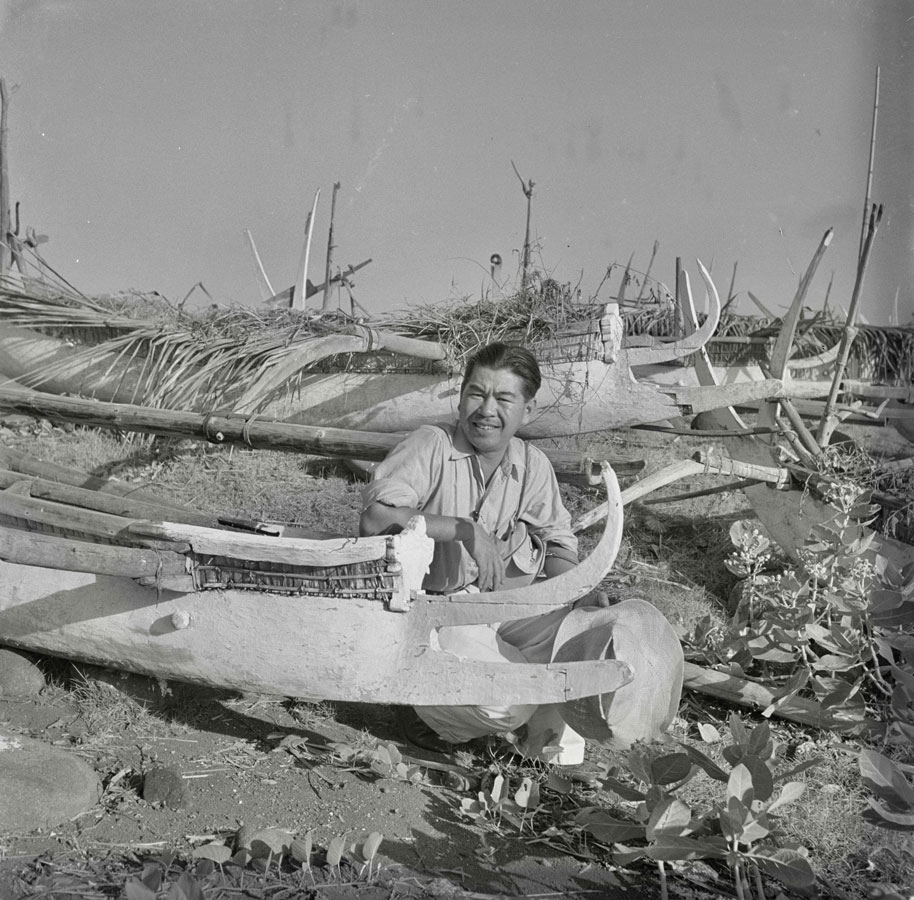
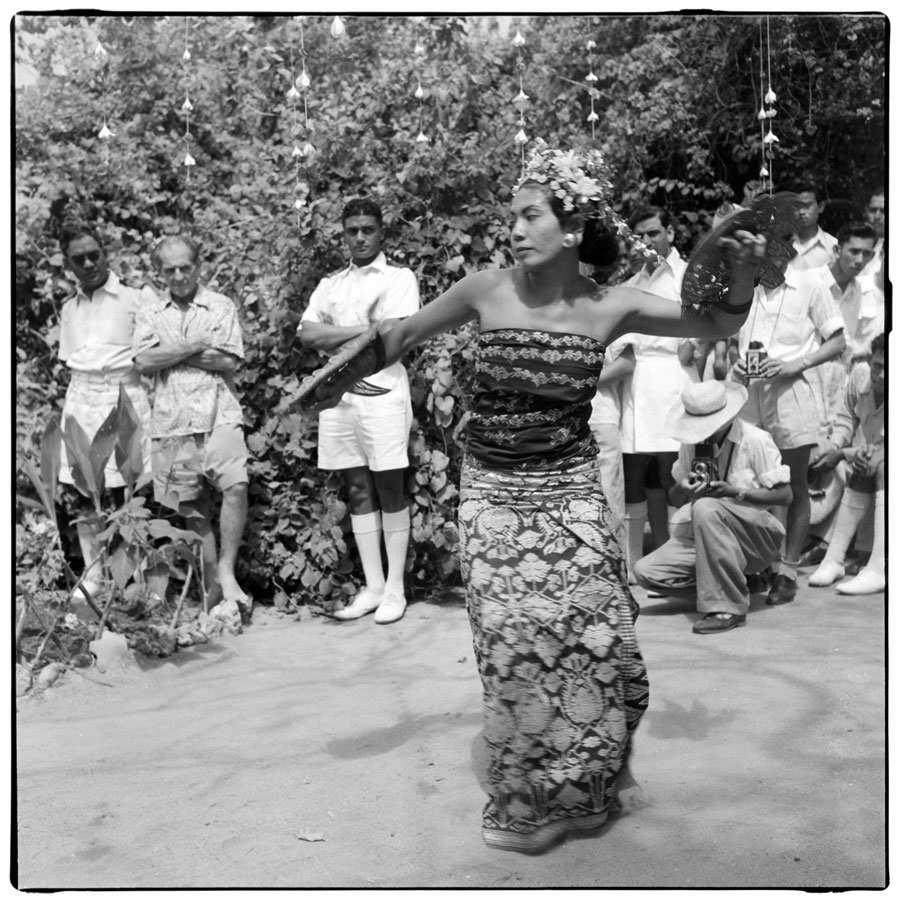
Right: Ni Pollok performs a segment of the legong lassem, which involves the use of wing-shaped hand props, kampid, representing a crow. The legong dance form is characterised by intricate finger movements, complicated footwork, and expressive gestures and facial expressions.
Credits: Liu Kang in Bali, 1952. ©Liu Kang Family
“My father-in-law, Liu Kang (1911–2004), was one of a small group of China-born, Shanghai-trained artists who settled in Singapore before and after World War II and animated the nascent art scene with a desire to portray their new homeland in art that showed its tropical character,” writes Gretchen in the preface of the book. “Liu Kang had taken an astonishing 1,000 photographs during the trip. The high-resolution scans of the negatives form the basis of this book and the exhibition that it accompanies,” she shares.
Taken with an artist’s eye, these photographs are a time capsule of Indonesian history. In the selected images are not only scenes of everyday life, but also political and artistic luminaries in Bali then, such as Cokorda Gde Agung Sukawati, dancers I Wayan Rindi and Ni Pollock, and the latter’s husband, Belgian painter Adrien‑Jean Le Mayeur de Merprès.
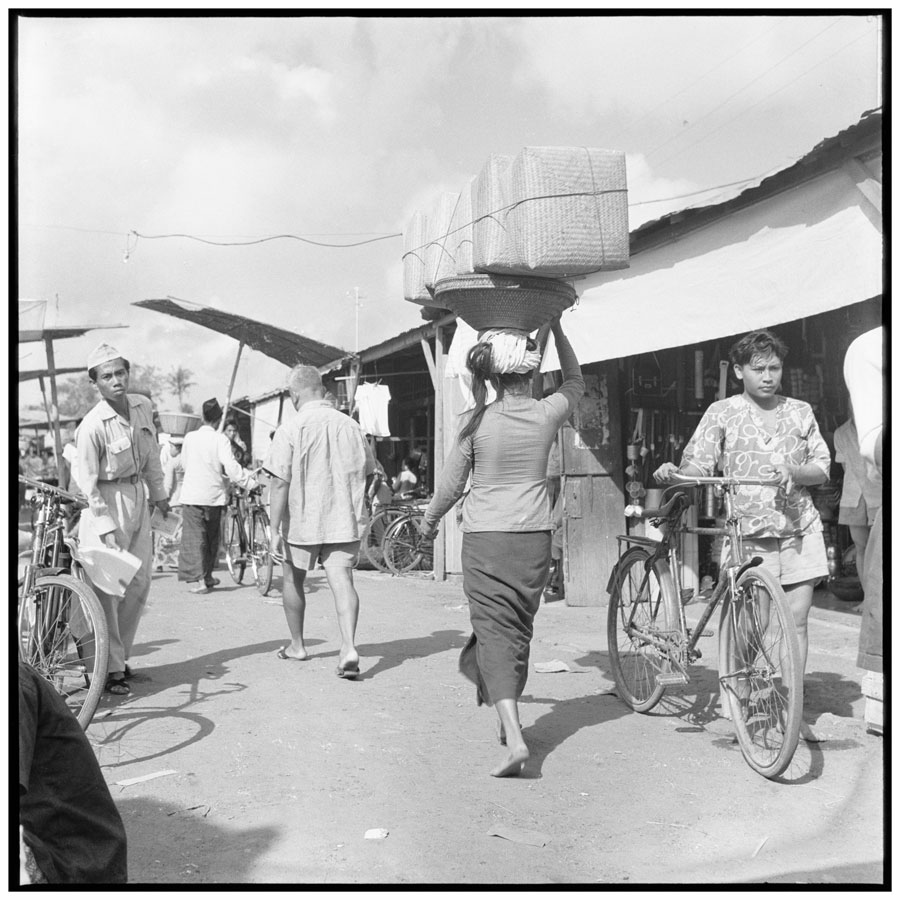
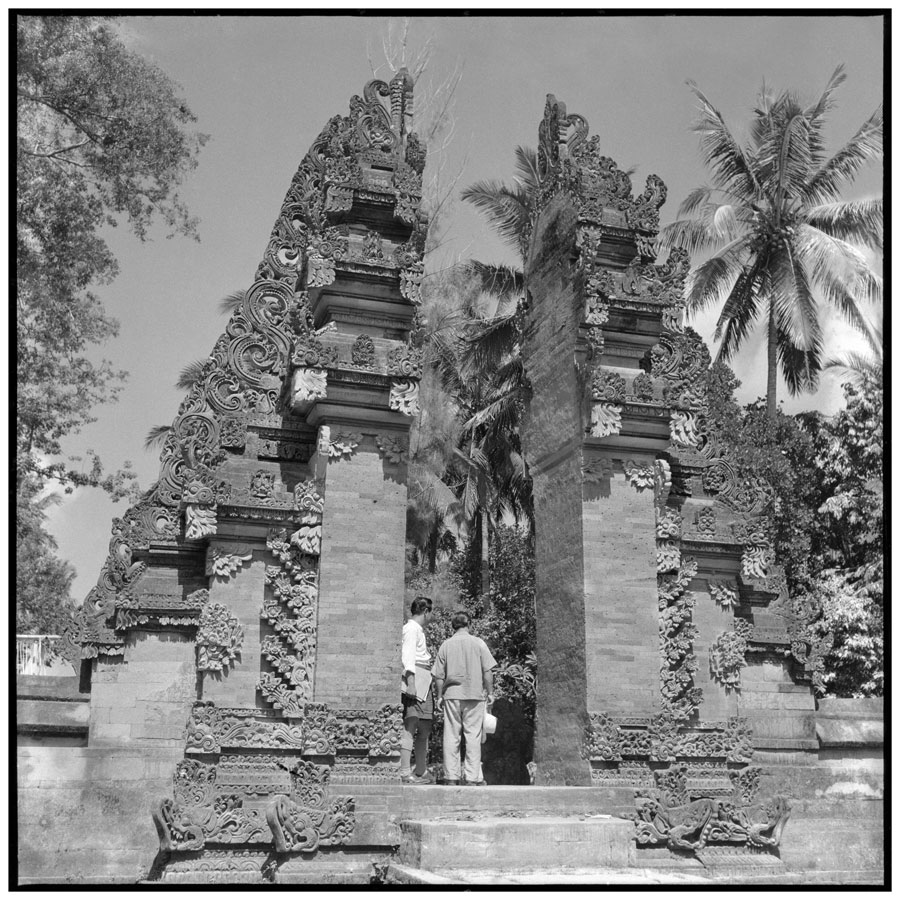
Right: Temple explorations. Chen Wen Hsi and Chen Chong Swee admire a split gateway, candi bentar, location unknown. The candi bentar symbolically separates sacred temple grounds from the secular world outside.
Credits: Liu Kang in Bali, 1952. ©Liu Kang Family
On the significance of the book, Indonesian photographer Rio Helmi writes that it is “A refreshing change to see such a historically important visual record of Bali documented by an Asian artist and photographer during its postcolonial era. A must-have for all those who have a connection to this island.”
Find out more: https://biblioasia.nlb.gov.sg/selected-books/2025