



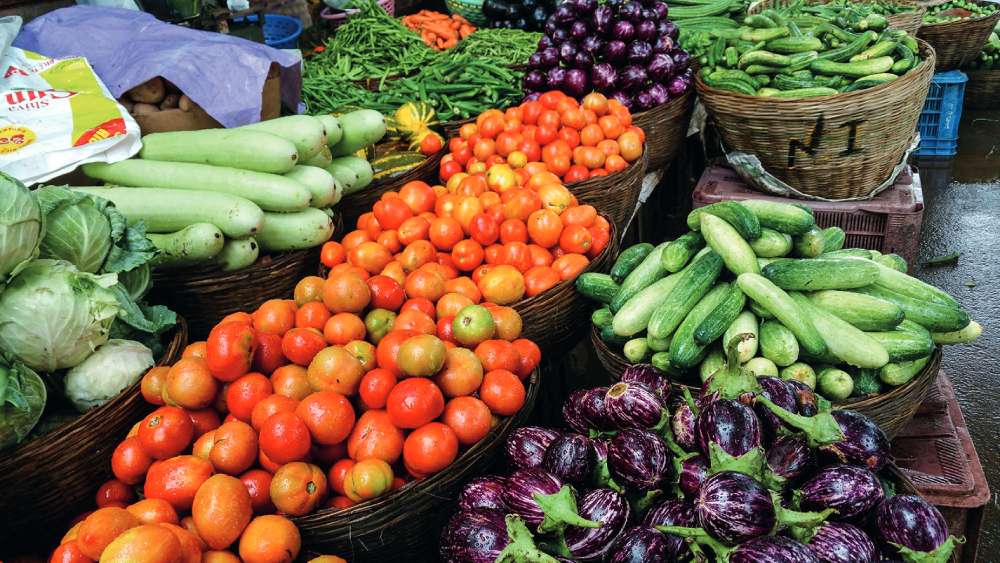
I think perhaps the importance of food in our lives is beginning to be recognised, but boy what a stupid journey it has been.
After the austerity of the Second World War, where people in most European countries, plus Japan, and maybe China, were on very restricted diets until 1950 at least, we have embarked on a total overindulgence in eating in many rich countries resulting in rates of obesity in USA, Saudi Arabia, Puerto Rico and Chile of over 40 percent! That is frankly quite worrying (and self-destructive). Note that the most worrying statistics are found in the Pacific Islands where obesity rates of 60 and 70 percent have been measured but there may be other factors involved there…
Now, obesity is a concern because it brings along with it a slew of serious health conditions. Whilst in some cases obesity is the result of mental health or physiological issues, in other cases it is caused by a lack of discipline in diet and exercise. However, with rising obesity trends taking place more in some places than others, it is not something that can be pinned solely on the individual, there are some socio-cultural and environmental factors that contribute to this – many of which are interconnected.


For one, disposable income has certainly changed lifestyle habits, granting the ability to buy and eat more than you need; that seems true for countries like USA, Australia, Middle Eastern nations – but that trend doesn’t explain why Japan, South Korea, Taiwan, Switzerland, Nordic nations remain on the other end of the scale, literally! We’re beginning to understand that the quality of the food supplied to the public is what has such a great impact: highly-processed, and what’s called ‘highly-palatable’ foods are the ultimate double-whammy – food literally designed to create cravings and encourage binging (for profits!), simultaneously packed with unhealthy and unnatural ingredients. Where ingredients are still whole and food made fresh – Japan, South Korea, Nordic nations – the overall population appears to be healthier.
Bali, and Indonesia in general, are blessed to have such fertility, and therefore fresh foods are abundant. But these ‘highly palatable’ processed foods are becoming increasingly prevalent, from convenience store snacks to roadside fried chicken. We’re seeing this play out across the different socioeconomics in Indonesia, with agrarian communities remaining way down on the obesity levels (for obvious reasons); meanwhile, the middle-classes, able to spend and buy, are seeing the scales tip. Indonesia’s traditional eateries should be protected, as a matter of health, not just culture!
Speaking of which, whilst food is our source of nutrition, energy and indeed quality of life, it is also an integral part of our societies.
There is virtually no ceremony that doesn’t have an element of food in it. The most obvious are harvest festivals, but virtually every religion also praises their God for His beautiful mercy in providing the people with sustenance. Bread and wine are an actual part of the Christian churches’ Eucharist, and or every Gala dinner starts with a toast to the health of the country’s leader and the VIP guests.
Here in Bali, the temple ceremonies are laden with fruit offerings piled high on the ladies’ heads as they parade into the temple and are placed in reverence and offering to the gods. It is an awesome sight, with each offering beautifully balanced and arranged.
But more than that the rhythm of everyday life revolves around food: families eating together, vendors displaying their fare along the roadsides, sate’s smoking on charcoal, babi guling crackling over fire, ready to be carved into delicious chunks. It is a never-ending story of eating, chatting and interacting.
So, the conclusion is simple: keep food as a wonderful, social, religious, and family necessity. Appreciate the whole foods growing abundantly in this country, cooked in homes and great restaurants – it may just keep you trim!
Selamat Makan.