


Tourism may be the lifeblood of the island, but that shouldn’t mean tourists can take advantage of the hospitality that has been afforded to them; nor does it mean that tourism should be the be-all end-all of Bali either! Civic Participation NGO, BASAibu, recently collected insights from everyday Balinese communities to hear their honest feedback on the future of tourism – here’s what they had to say.
In a digital world often dominated by fleeting trends, one Bali-based organisation is harnessing the internet for something more enduring: the preservation of language, culture, and local wisdom. BASAibu Wiki (formerly BASAbali Wiki, but now expanded into 3 other provinces as well), an award-winning online community initiative, has long been recognised for promoting the Balinese language and knowledge-sharing through open digital platforms. Its Wikithons – online competitions that invite participants to write and collaborate on entries around specific themes – extend this mission into creative civic engagement, inviting the public to imagine better futures through words.
Wikithons, a play on “Wiki” (collaborative platforms) and “marathon,” are designed to spark collaboration and creativity, whilst simultaneously encouraging the everyday use of written and spoken Balinese. Participants research, write, and share their ideas on specific topics posted on the BASAbali Wiki platform. Over the years, these thematic writing events have explored everything from education and the environment to social justice and identity. The recent Tourism Wikithon turned the spotlight on one of Bali’s most complex and urgent topics: the future of tourism.
Chosen by a coalition of five tourism-related organisations, the Tourism Wikithon invited participants to explore how Bali could sustain its economy without sacrificing its culture or environment. The competition drew a wide range of voices – students, professionals, and community members – all tackling the challenge of reimagining tourism for a more balanced island life, totalling 319 submissions with multiple forums extending beyond.
The results were as thoughtful as they were inspiring. Below are some example, each offering a glimpse into the minds of young Balinese thinkers and their visions for a more sustainable Bali.
Some contributors used the platform to voice their concerns, their answers were met with a lot of comments and further discourse online:
‘Kawentenan wisatawan sane akeh ring Bali ngawinang pariwisata budaya sayan rered kagentosin antuk pariwisata massal…’
“The increase in tourists in Bali has shifted cultural tourism to mass tourism, with nightlife and commercial destinations dominating. This shift threatens the unique “soul of Bali,” transforming it into merely an entertainment venue. Data indicates a rise in tourists and rapid infrastructure development, leading to the loss of green spaces. Without decisive action, Bali’s cultural identity is at risk, damaging environmental harmony. The government must create policies that prioritize cultural and environmental sustainability, limit inappropriate development permits, and raise tourist taxes to curb mass tourism. The Balinese people must safeguard and restore Bali’s essence as a sustainable cultural and environmental destination.”
‘Mangkin, Bali ngarepin pikobet ageng tan lian indik overtourism…’
“Currently, Bali is facing a serious problem, namely overtourism. This phenomenon has become a concern of the public and affects the environment, culture, and various sectors in Bali. As for the negative impact, there is traffic density in several areas, especially in Canggu, Ubud, and Seminyak while the positive impact is the arrival of tourists to Bali increases the income itself. Based on the data from Bali Province Central Statistics Agency (BPS) in 2024, the number of foreign tourists who come to Bali reached more than 4,7 million visit in the first nine months. This interferes with the activities of the Balinese people because of the large amount of vehicle pollution and plastic waste that accumulate on several beaches. Therefore, the government should take some strategies, such as limiting the number of tourist arrivals, developing infrastructure, and promoting North Bali area. Thus, it can overcome the problem of overtourism in Bali.”
Others submissions offered solutions, including the First Winner of the High School Student Category:
‘Overtourism inggih punika kaw ntenan wisatawan san ak pisan ring genah…’
“Overtourism refers to a condition in which a drastic surge in tourist numbers exceeds the carrying capacity of a destination. This phenomenon is currently affecting the island of Bali, Indonesia. Overtourism in Bali has led to numerous negative impacts. The island faces significant challenges in popular destinations such as Kuta and Ubud, while other regions remain underdeveloped. As a result, there is increased traffic congestion and mounting pressure on infrastructure and the environment. To address this issue, intelligent solutions are needed to manage tourist flows in a more balanced and sustainable manner. KERTHI SmartTourism emerges as an innovative solution, leveraging AI and Blockchain technologies to more evenly distribute tourists and promote ecotourism. AI is used to analyse real-time tourist density and redirect visitors to less crowded destinations, thereby preventing overcrowding in a single location. Blockchain technology manages visitor quotas through digital ticketing while ensuring data transparency and security. By utilizing these technologies, the initiative aims to reduce traffic congestion, boost local economies, and support greener, more sustainable tourism.“
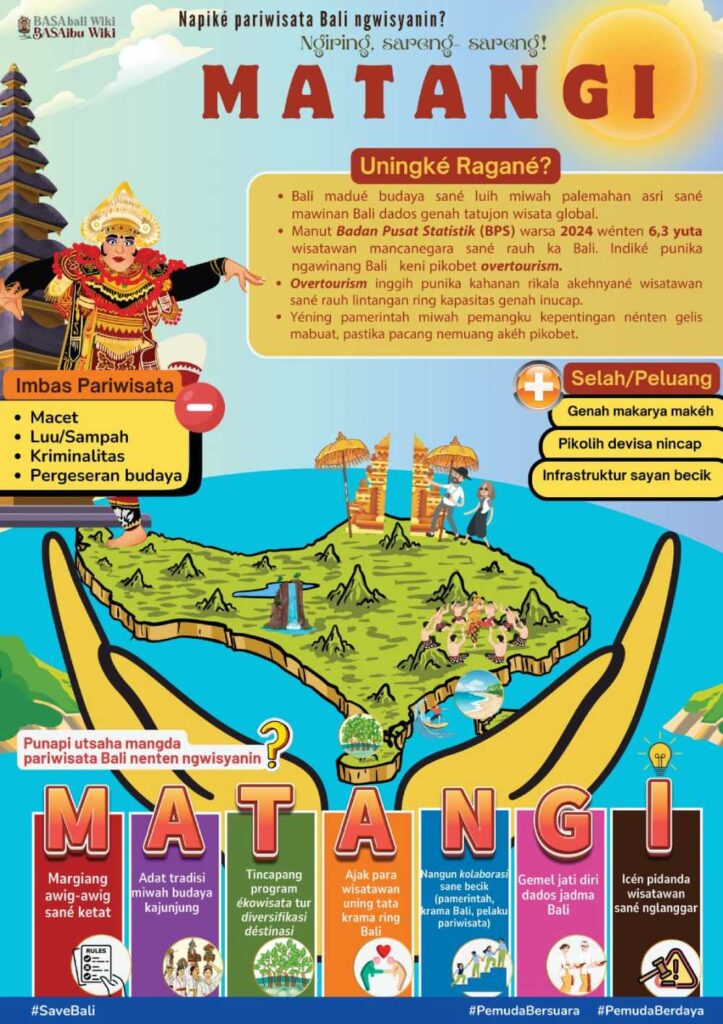
In the ‘Infographic’ Category, one winning contributor prepared a curated message to their fellow Balinese, creating a thoughtful guide on how the local population should approach tourism:
“BALI MATANGI is a term used to represent the awakening of Balinese society to become more conscious and caring toward Bali’s culture and natural environment. As a world-renowned tourist destination, Bali attracts visitors primarily due to its noble cultural heritage and pristine natural beauty. However, the growing number of tourists brings both positive and negative impacts, often compared to a double-edged sword, for the lives of the Balinese people. One effort to mitigate the adverse effects of tourism is through the concept of MATANGI. In Balinese, matangi means “to wake up.” MATANGI is also an acronym, which stands for:
• M (Margiang awig-awig sané ketat): enforce strict local customary laws and regulations
• A (Adat tradisi miwah budaya patut kajunjung): uphold and honour Balinese traditions, customs, and culture.
• T (Tincapang program ékowisata miwah diversifikasi déstinasi)—strengthen ecotourism initiatives and diversify tourist destinations.
• A (Ajak para wisatawané uning tata krama ring Bali)—encourage tourists to understand and respect Balinese etiquette and manners.
• N (Nangun kolaborasi sané becik, mawit saking pamerintah, krama Bali, saha pelaku pariwisata) — build strong collaboration among the government, Balinese communities, and tourism stakeholders.
• G (Gamel jati diri dados jadma Bali) — showcase and embrace the identity of being Balinese.
• I (Icén pidanda utawi hukuman ring wisatawan sané nglanggar awig-awig tur tata krama sané wénten ring Bali)—impose appropriate sanctions or penalties on tourists who violate local customs and regulation.
The winning entries inspired multi-stakeholder policy dialogues bringing together the student winner, youth ambassadors, tourism officials, and community leaders. Together, they explored practical ways to apply and expand upon the ideas promoted in the winning submissions.
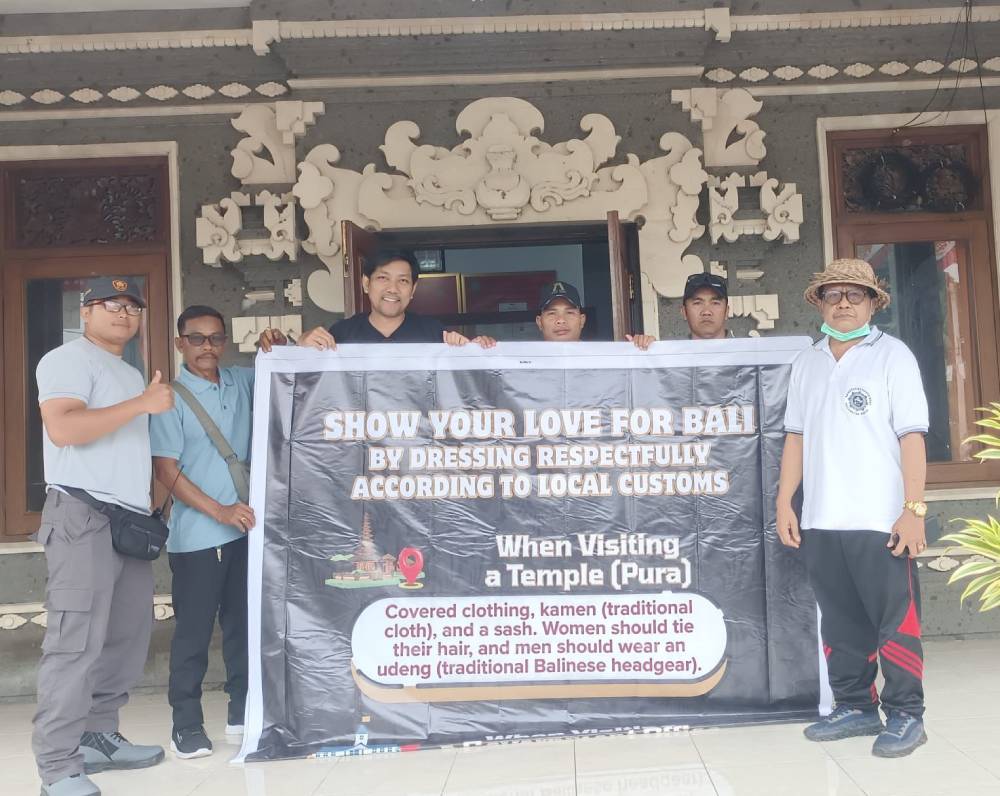
Through further discussions, stakeholders developed a comprehensive public awareness campaign encouraging tourists and visitors to respect Bali’s cultural norms, not only in temples and government offices, but also on the streets and while riding motorcycles.
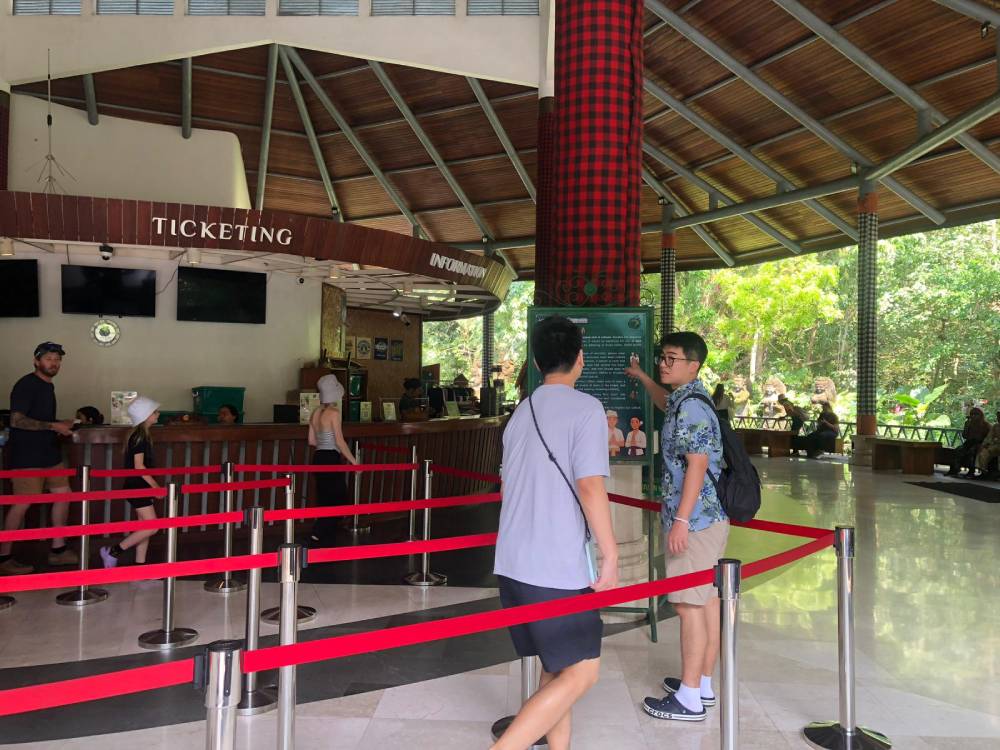
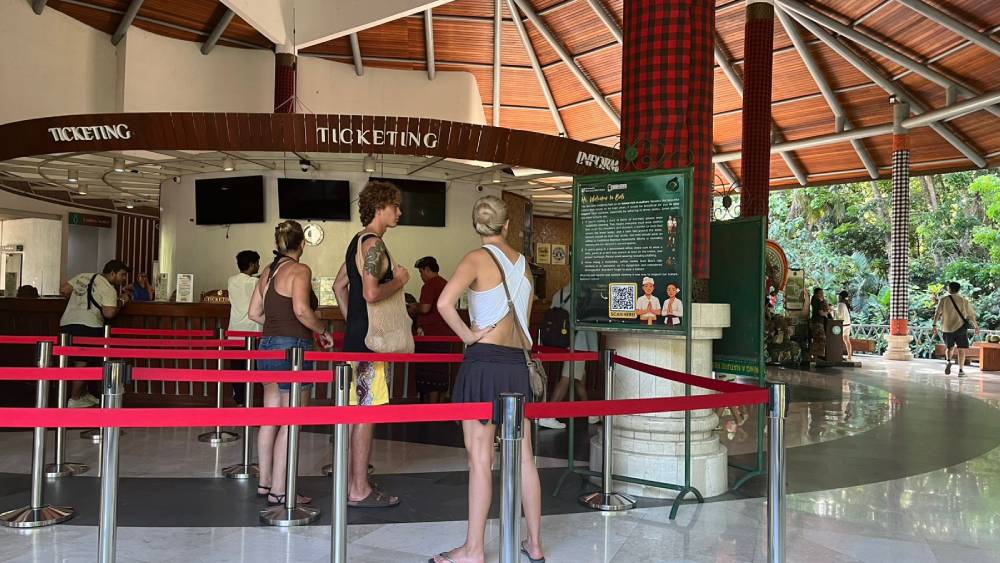
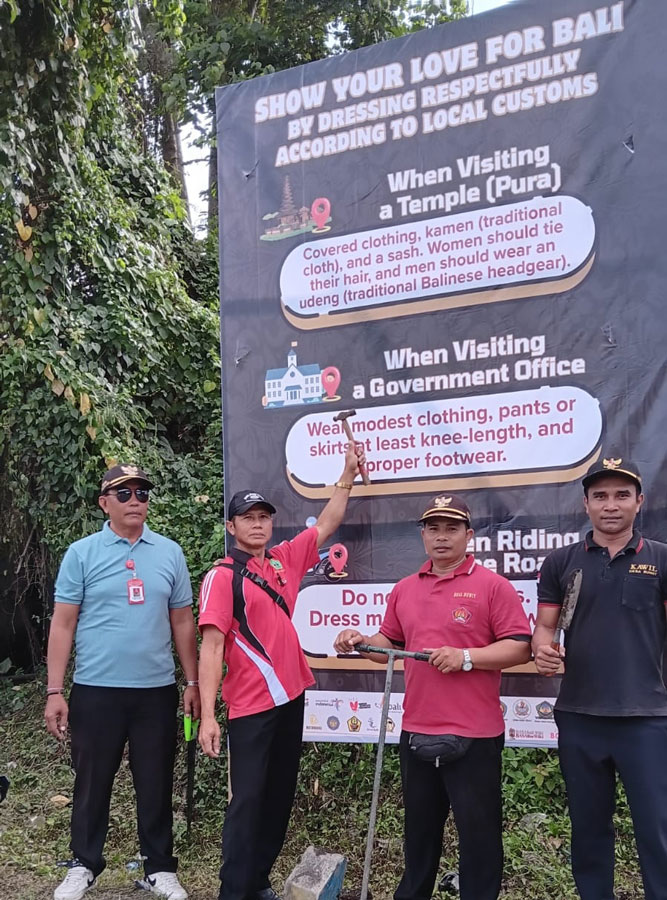
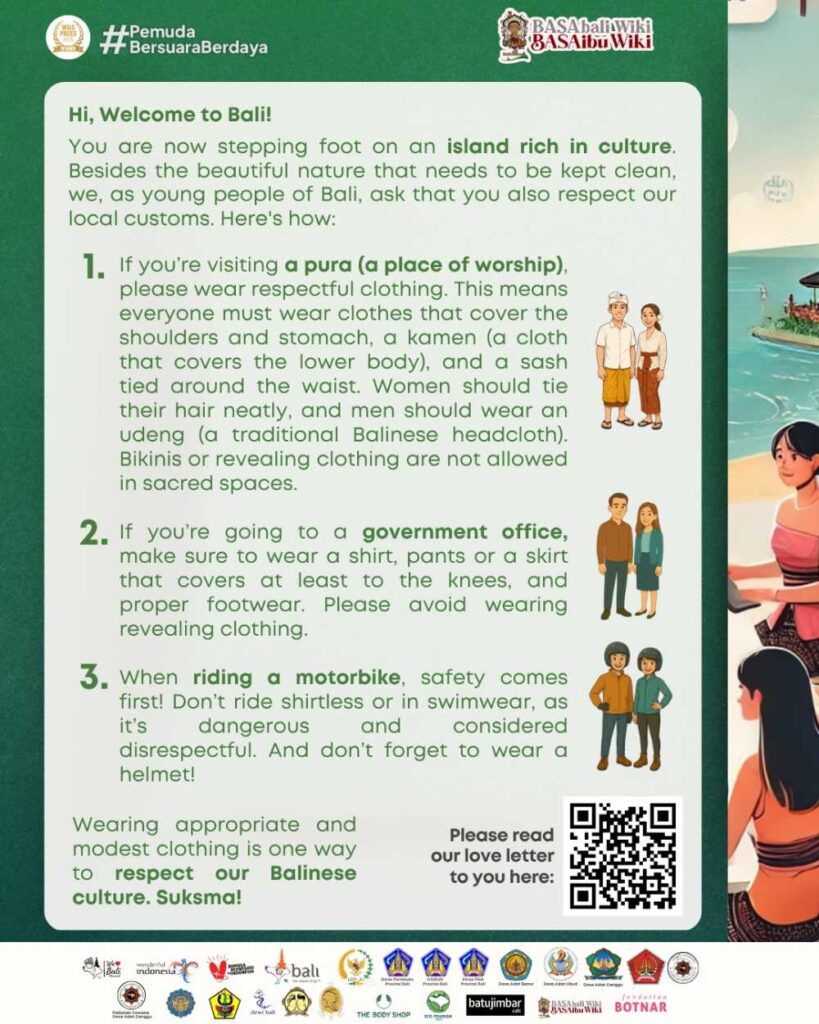
The campaign takes the form of posters featuring “love letters from Balinese youth” to visitors. Written from the perspective of young Balinese people, these messages communicate cultural expectations in an approachable and heartfelt way. The posters are now being displayed in hotels, tourist sites including the Sacred Monkey Forest Sanctuary, and Desa Buwit, reaching visitors at key touch points throughout their Bali experience.
To ensure the campaign’s effectiveness, BASAibu are monitoring and evaluating its impact through direct observation and interviews with tourists at these sites. This feedback loop allows the organisation to assess whether the campaign is successfully raising awareness and changing visitor behaviour.
This example demonstrates how a young person’s voice and vision can spark collective action that preserves Bali’s cultural integrity and environmental balance. What began as one student’s wikithon entry has transformed into a tangible initiative that bridges youth advocacy, government action, and community engagement—showing the real-world impact of empowering young people to shape policy and practice in their communities.
BASAbali Wiki is not only a platform that encourages the everyday use of the local dialect, i.e. Balinese, it has become an insightful forum for public opinion concerning topics affecting Balinese of a range of backgrounds. Discover previous discussions, or explore their online dictionary.
Read more responses from the Tourism Wikithon.
Head to BASAbaliWiki.org or the umbrella organisation BASAibu.org