


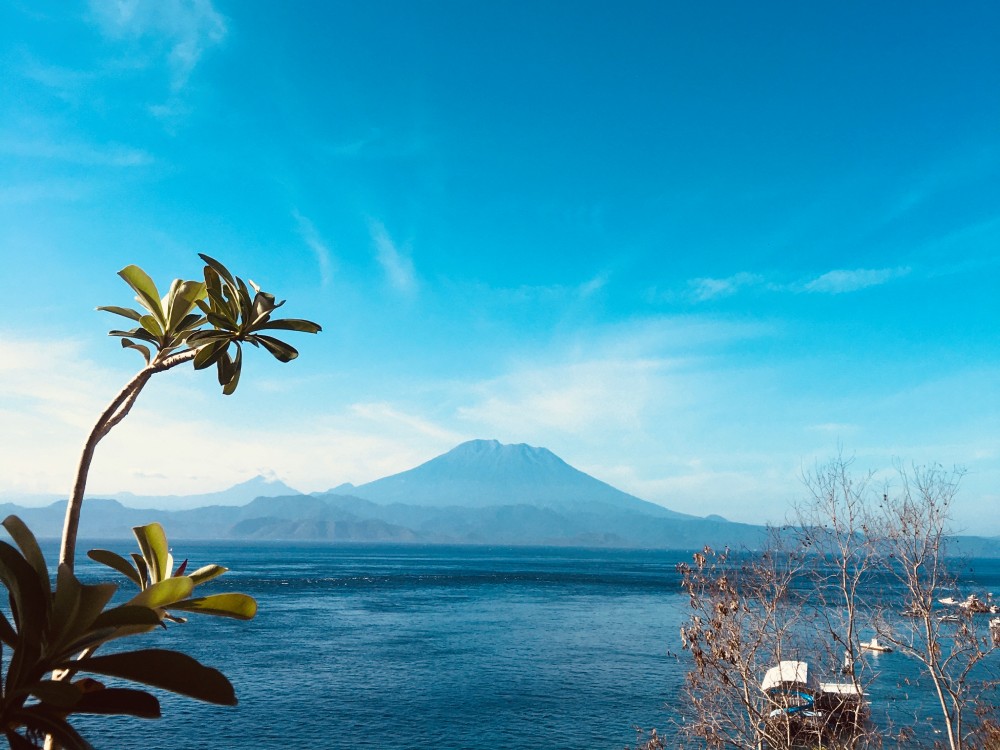
For those seeking an island escape beyond the familiar rhythms of Bali, Nusa Penida offers a more rugged, off-the-grid alternative. Part of a trio of islands within the Klungkung Regency, alongside Nusa Lembongan and Nusa Ceningan, the island stands apart with its dramatic cliffs, untamed landscapes, and striking coastal beauty.
Accessible by a short 45-minute fast-boat journey from Sanur, Nusa Penida is often visited as a day trip, though its diverse attractions easily warrant a longer stay. While infrastructure continues to develop, venturing beyond the main roads reveals a more adventurous side – narrow, winding paths leading to some of the island’s most breathtaking sights.
From towering headlands and hidden white-sand bays to sacred caves and coastal panoramas, Nusa Penida invites exploration at a slower, more deliberate pace, rewarding those willing to journey a little further.
DAY 1
Kelingking Beach
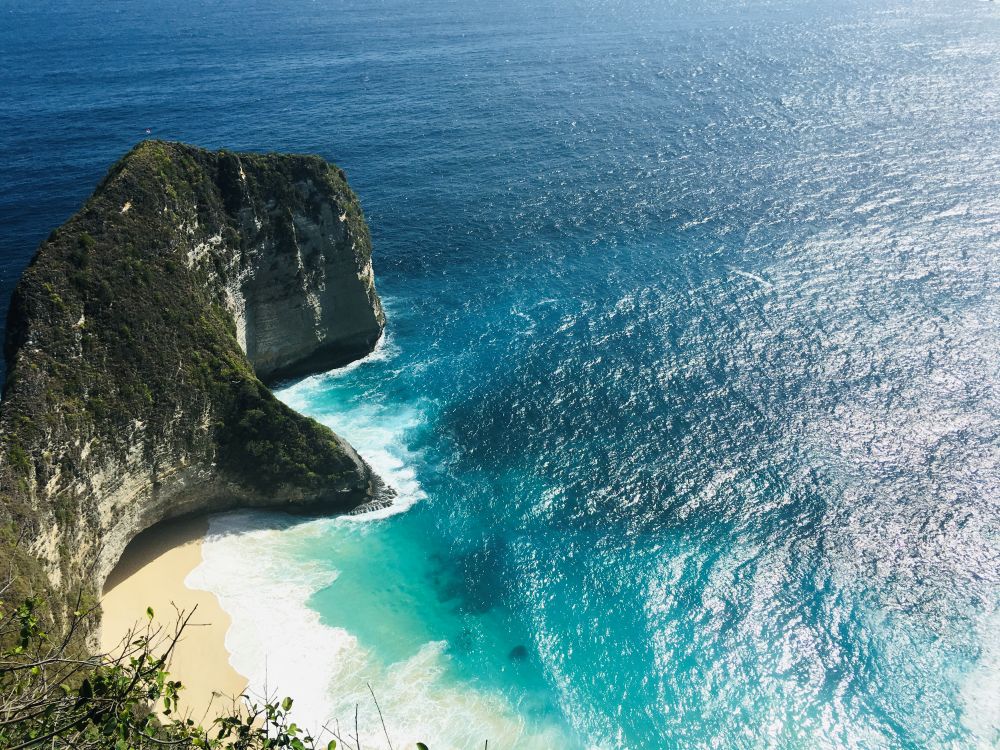
Arguably the most iconic landmark on Nusa Penida, Kelingking Beach has become a defining image of the island. Located around 45 minutes from Toya Pakeh Harbour, this dramatic stretch of white sand and turquoise water is framed by towering cliffs, with its distinctive headland resembling a pinkie finger – giving rise to its name. Reaching the beach itself is an adventure. The descent involves navigating a steep, narrow path of roughly 300 steps, with bamboo railings offering support along the way. While the climb down requires care, the return ascent is far more demanding. For those willing to make the effort, the reward is a secluded shoreline of striking natural beauty. Swimming, however, is not advised due to strong currents and powerful waves.
Broken Beach & Angel’s Billabong
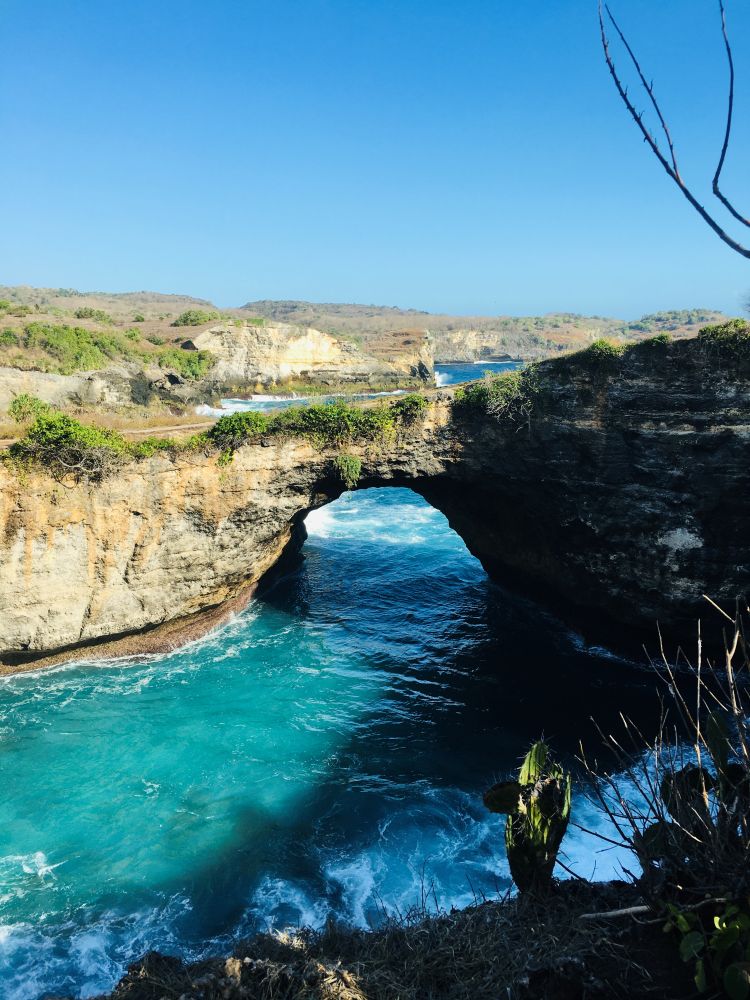
Continuing along the western coast of Nusa Penida, two neighbouring highlights await: Broken Beach and Angel’s Billabong. Located around 20 minutes from Kelingking Beach, the journey itself – along rugged, unpaved roads – adds a sense of adventure to the experience. At the destination, nature reveals one of the island’s most photogenic scenes. Broken Beach is defined by its captivating limestone arch, through which ocean swells pass before settling into a circular cove below.
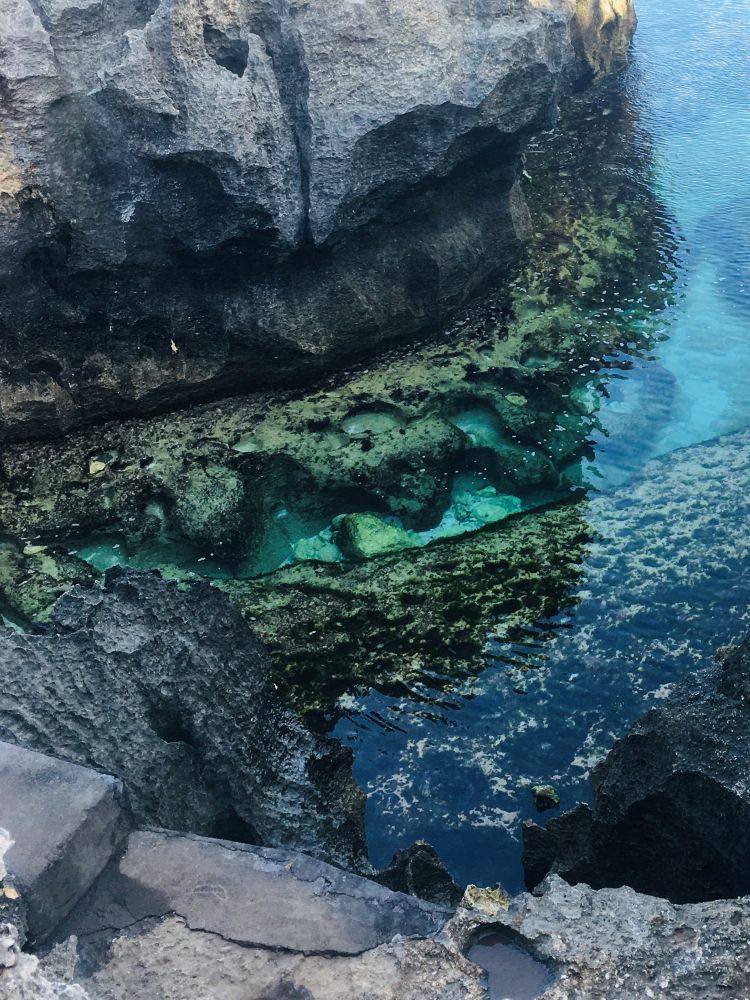
After taking in the dramatic formation of Broken Beach, a short walk leads to Angel’s Billabong. This natural tidal pool, perched along the cliff’s edge, is known for its crystal-clear waters that gently spill towards the open sea. Timing your visit is key: during low tide, the pool becomes calm and glass-like, revealing intricate coral formations and textured rock beneath the surface. In these conditions, visitors may carefully enjoy a dip in designated areas. However, the site can become dangerous during high tide, when powerful waves surge in from the ocean. At its best, Angel’s Billabong offers an almost surreal scene – where sunlight, water, and stone combine to create a luminous, ever-changing natural spectacle.
Sunset at Crystal Bay
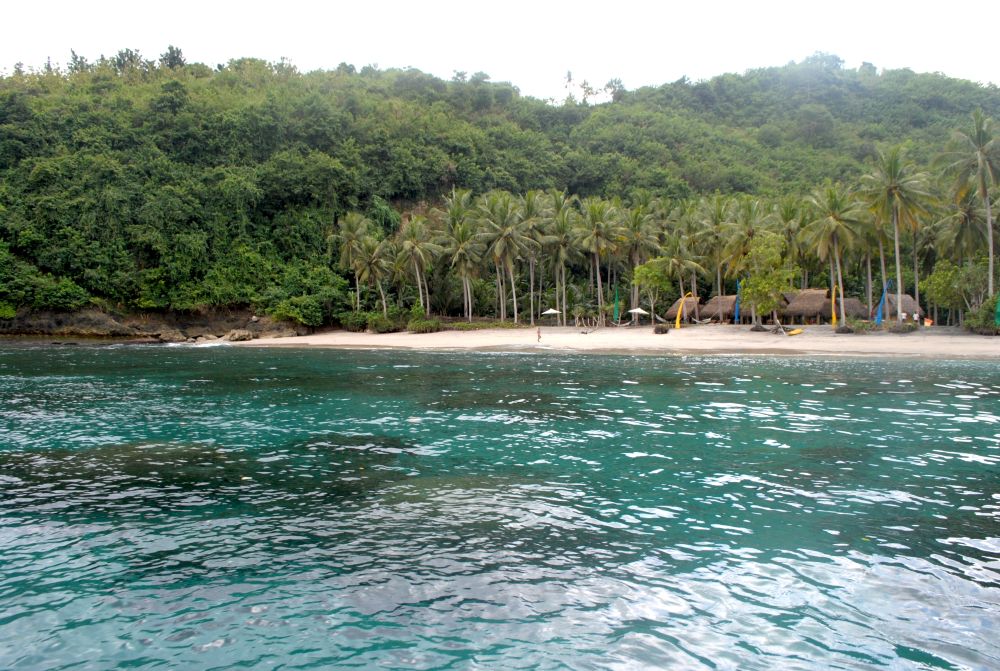
The next stop appeals to those drawn to the sea. Located around 20 minutes from Toya Pake Harbour, Crystal Bay is among Nusa Penida’s most popular snorkelling and diving sites. Known for its clear waters, the bay reveals a vibrant underwater world of coral gardens, tropical reef fish, and, in season, the elusive ocean sunfish (mola mola). Onshore, a crescent of white sand fringed by swaying palms creates a relaxed, almost secluded atmosphere – ideal for unwinding between swims. Offshore, a small islet adds to the bay’s picturesque setting.
Side Quest: Gamat Bay
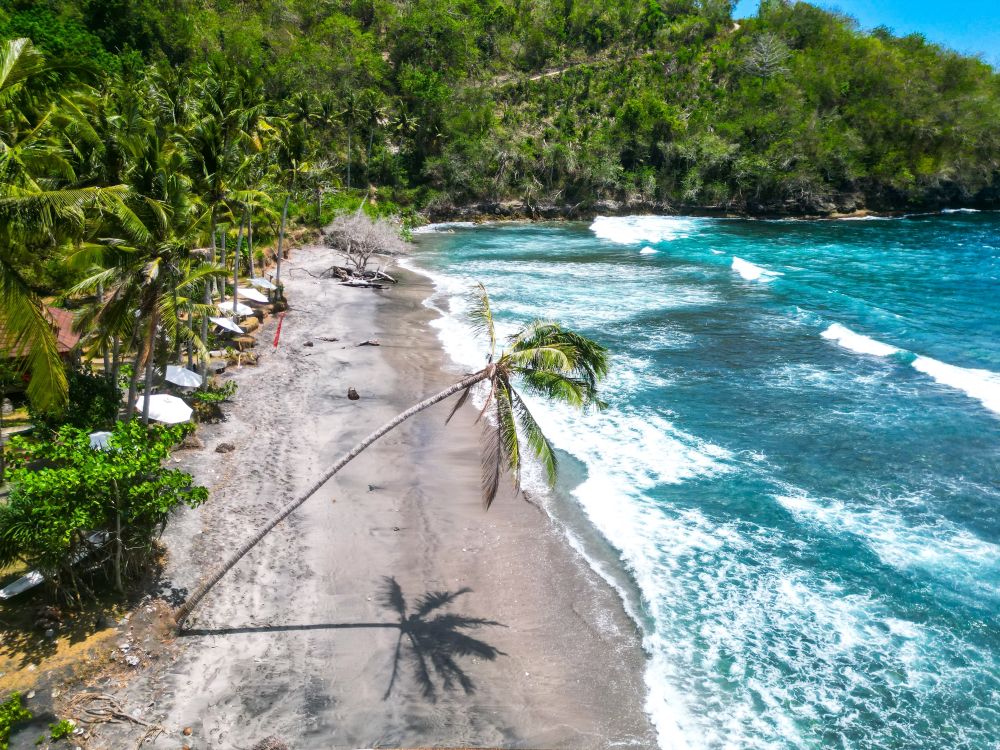
Tucked along the rugged coastline, Gamat Bay offers a quieter, more secluded alternative to the island’s popular beaches. Reached via a short trek from the clifftop, the bay rewards visitors with clear waters and a peaceful atmosphere, often shared only with passing snorkelling boats. The calm, shallow reef makes it ideal for snorkelling. Beneath the surface, vibrant coral gardens and diverse marine life await, making Gamat Bay a favoured stop for those seeking a more off-the-beaten-path coastal experience.
Where to Stay: Discover the Beauty of Nusa Penida with Adiwana Warnakali Resort
DAY 2
Diamond Beach & Atuh Beach
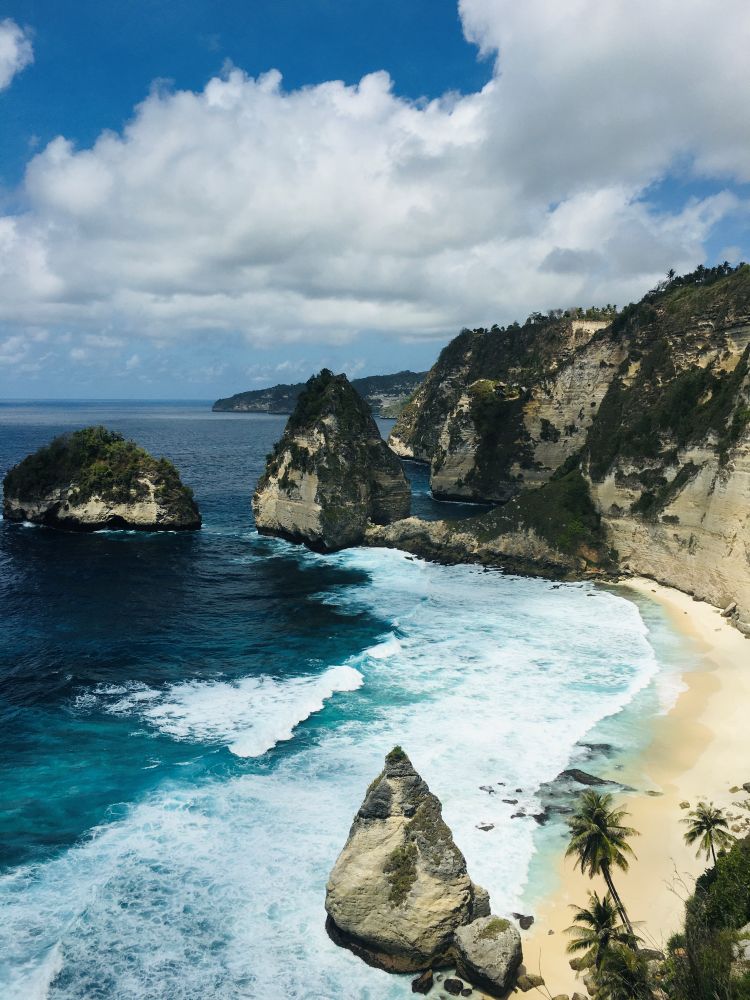
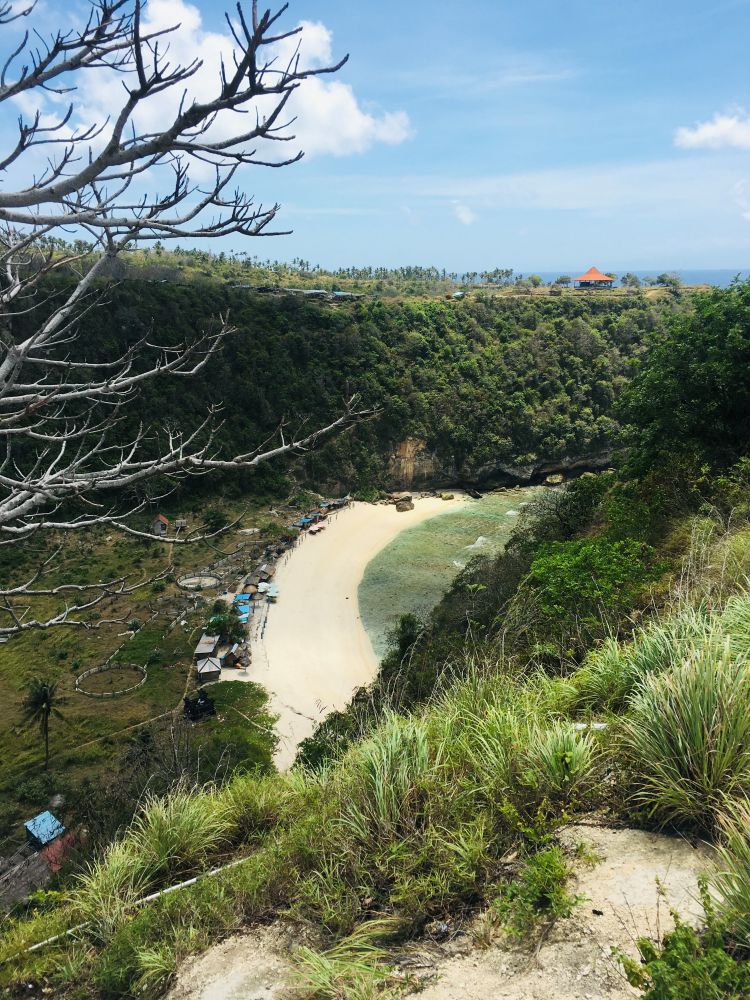
Around an hour’s drive from the main harbour, Diamond Beach is one of Nusa Penida’s most striking coastal landscapes. From the clifftop, sweeping views unfold across turquoise waters and limestone formations, with a carved stone stairway leading the way down. The descent is steep and narrow in parts, but it rewards visitors with an unforgettable arrival. At the base, a small warung offers light refreshments before the final stretch to the shore. Framed by towering cliffs, the beach reveals soft sands and its signature diamond-shaped offshore rock formations. While the setting is serene, strong waves and rising tides make swimming unsafe, best enjoyed from the shore.
On the other side of Diamond Beach, Atuh Beach reveals a more open, sun-drenched cove framed by cliffs and offshore rock formations. Accessed via a descent of around 160 steps from the main parking area, the journey down is manageable, though the return climb can be more demanding. Compared to its neighbour, Atuh Beach offers a broader shoreline, lined with sun loungers and simple warungs serving fresh juices, grilled seafood, and local fare. Its relaxed setting makes it ideal for a full day by the sea, whether unwinding on the sand or taking a refreshing dip.
Thousand Islands Viewpoint
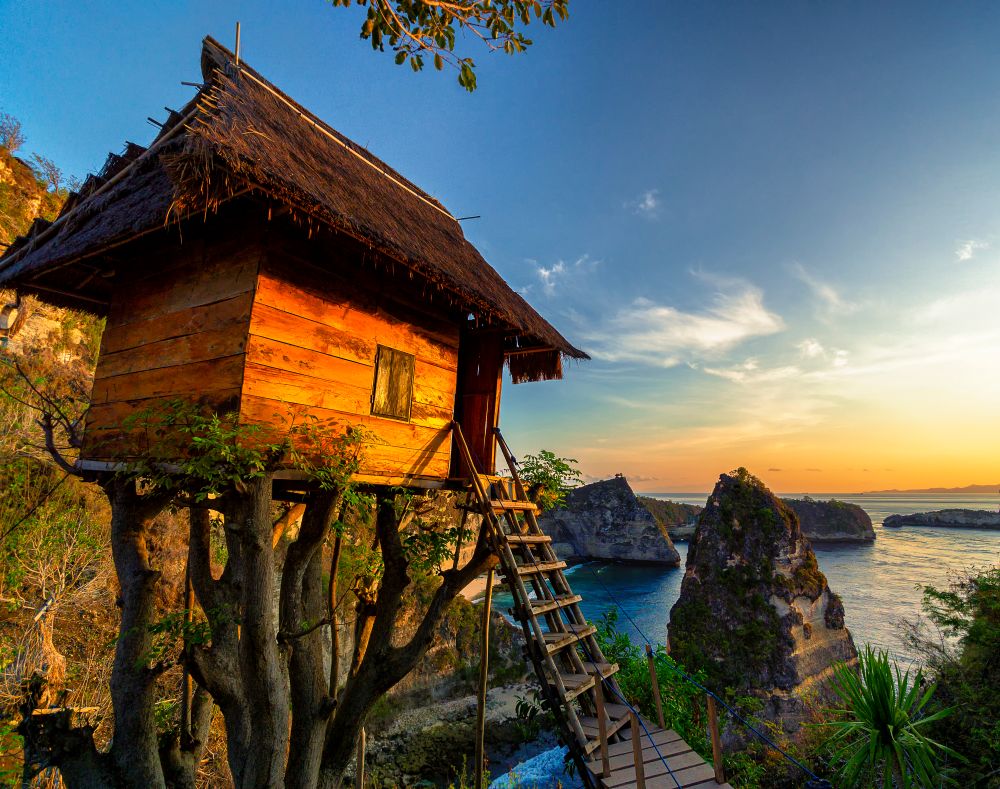
On the dramatic eastern cliffs, Thousand Islands Viewpoint offers one of the island’s most breathtaking panoramas. From this elevated vantage point, sweeping views unfold across turquoise waters scattered with rugged islets, creating a striking coastal tableau. Among its most recognisable features is the nearby Rumah Pohon Molenteng, perched on the cliff edge, offering a unique perspective for both photography and quiet contemplation. The area is best experienced in the early morning or late afternoon, when softer light enhances the landscape, and the atmosphere remains calm. Reaching the viewpoint involves a scenic drive from the island’s main harbour area, with the final stretch along narrow, winding roads.
Pitstop: Teletubbies Hill
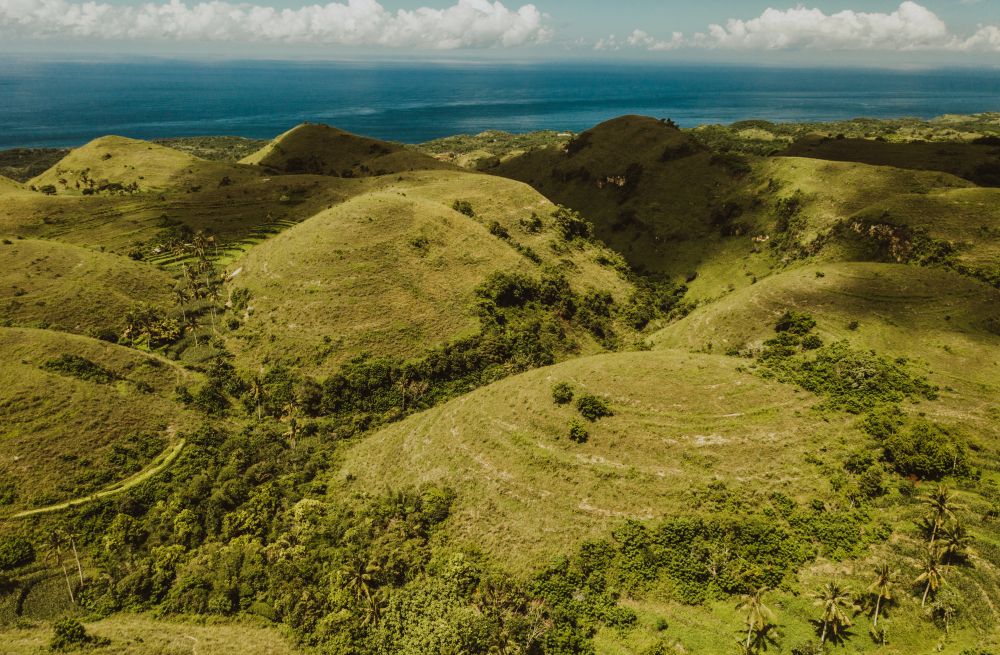
Set inland on Nusa Penida, Teletubbies Hill offers a gentle contrast to the island’s dramatic coastal cliffs. Named for its resemblance to the rolling hills of the well-known children’s show, this landscape features a series of rounded, grass-covered mounds stretching across the horizon. Best visited in the early morning for a quieter experience, the hills are particularly lush during the rainy season, when the terrain turns a vivid green. While simple in nature, the setting provides a calm pause between more rugged destinations, ideal for photography or a short scenic stop. Though not a destination for extended exploration, Teletubbies Hill remains a charming addition to any east-side itinerary – offering a softer, more serene perspective of the island’s diverse landscapes.
Where to Dine & Drink: Dining Above the Horizon at Amok Sunset Restaurant & Bar
DAY 3
Peguyangan Waterfall
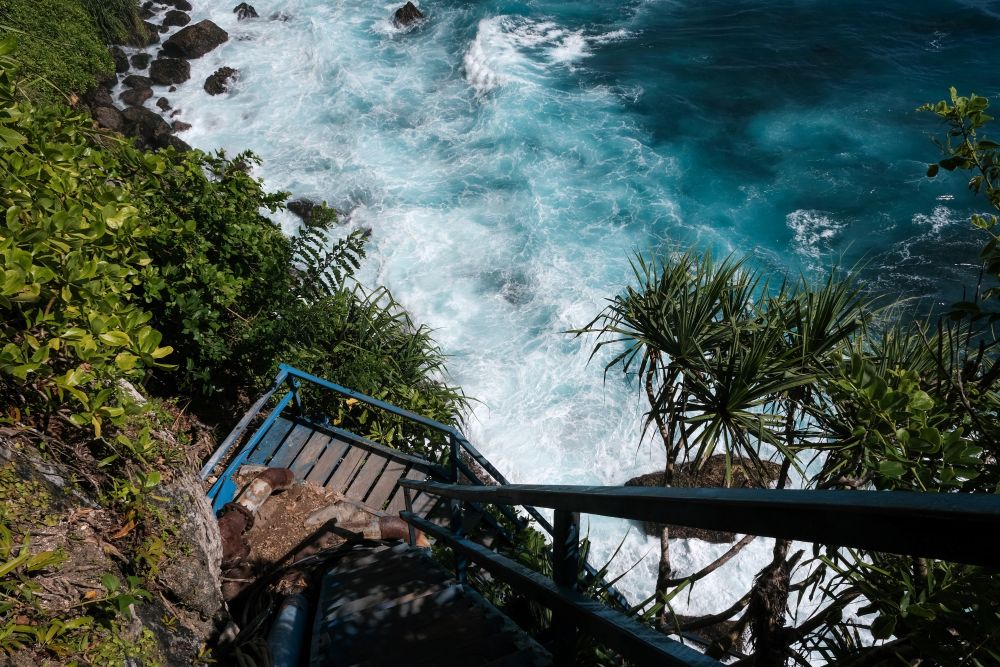
Set along the southern cliffs of the island, Peguyangan Waterfall presents a compelling fusion of natural beauty and spiritual significance. Rather than a traditional cascade, the site is defined by its iconic blue staircase, descending dramatically along the cliffside with sweeping ocean views throughout the journey. At the base, a series of sacred temples and natural rock pools emerge, where waves crash rhythmically against the cliffs. These pools offer a refreshing pause, though caution is advised due to slippery surfaces. As an active place of worship, visitors are required to wear a sarong when entering the temples. More than a scenic stop, it offers an immersive cultural experience shaped by both landscape and devotion.
Tembeling Forest & Beach
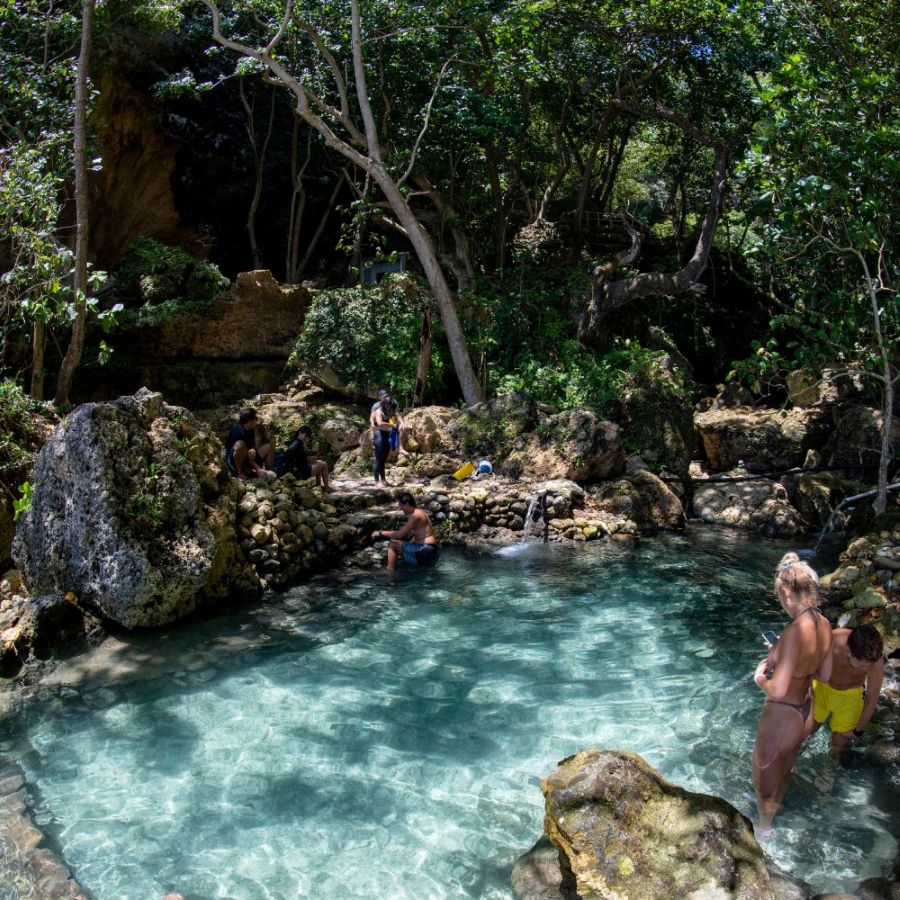
Hidden within Nusa Penida’s lush interior, Tembeling Forest reveals one of the island’s most secluded and atmospheric escapes. This untouched pocket of forest offers a striking contrast to the coastline, where dense greenery, limestone ravines, and glimpses of the sea come together. Reaching it requires a bit of adventure – via a steep motorbike descent, a short local ride, or a scenic trek through the forest. At the end of the trail, natural spring-fed pools emerge among the rocks, accompanied by small temples such as Pura Mujaning. Beyond, the path leads to a quiet stretch of coastline framed by rugged cliffs. Remote and largely untouched, Tembeling remains a rewarding retreat where nature and tranquillity take centre stage.
Pura Paluang
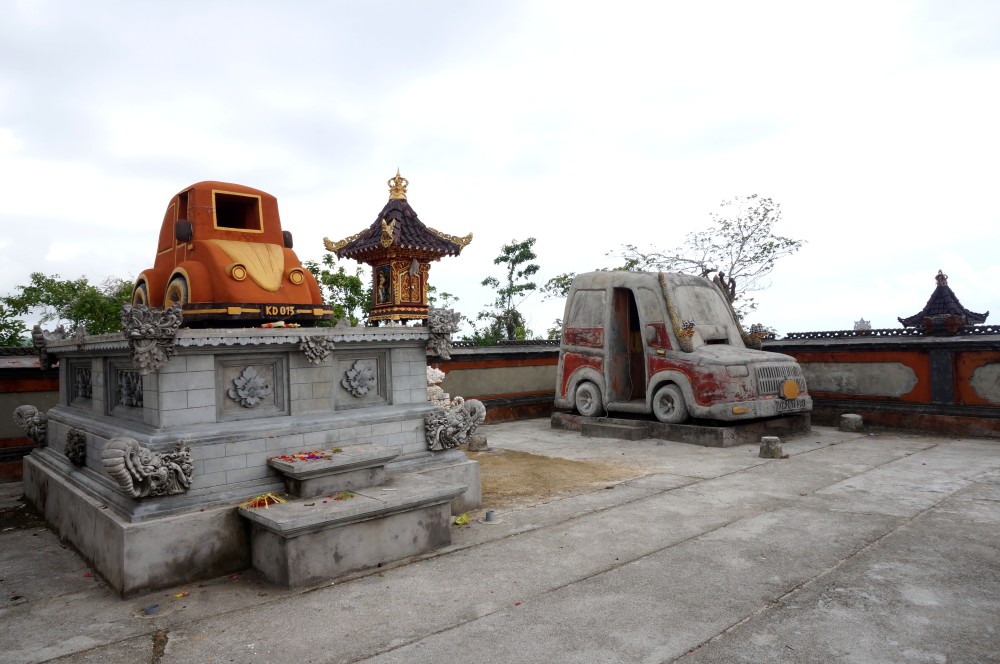
A distinctive place of worship, Pura Paluang – often referred to as the “Car Temple” – offers a unique visual and spiritual experience. Located in Bunga Mekar Village, the temple is renowned for its unusual shrines shaped like cars, believed to serve as sacred vessels for the spirit of Ratu Gede Sakti Hyang Mami and her followers. As with many Balinese temples, the shrines are wrapped in traditional poleng cloth and adorned with daily offerings, reflecting the island’s deep-rooted spiritual practices. Set against a coastal backdrop, Pura Paluang presents not only a place of devotion but also a stunning cultural landmark.
Pura Dalem Ped
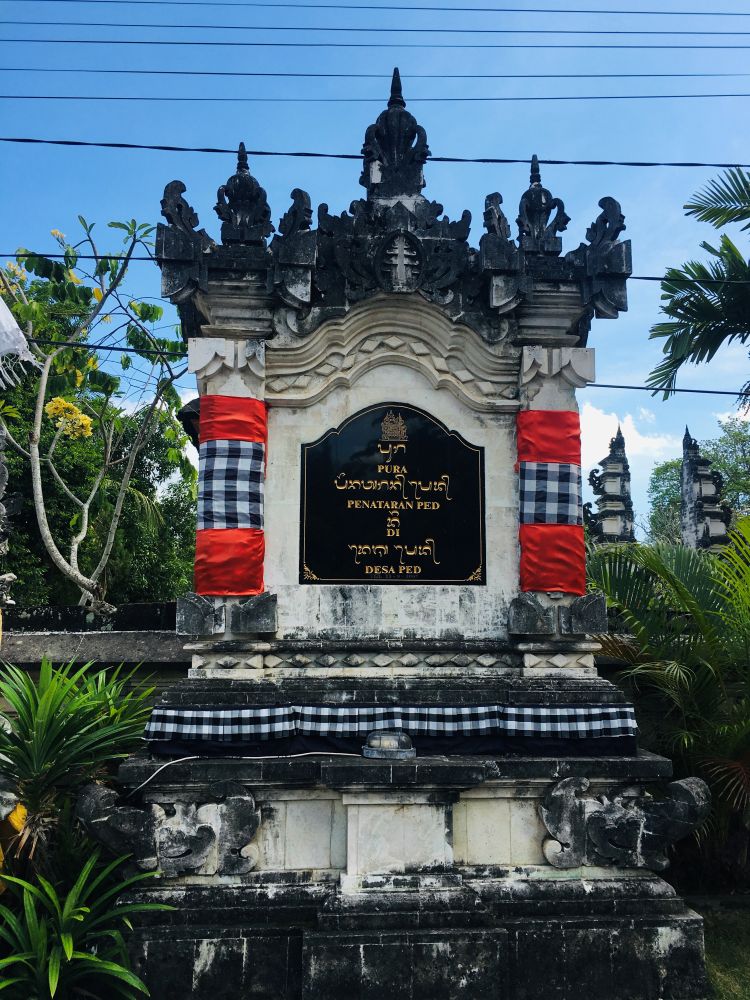
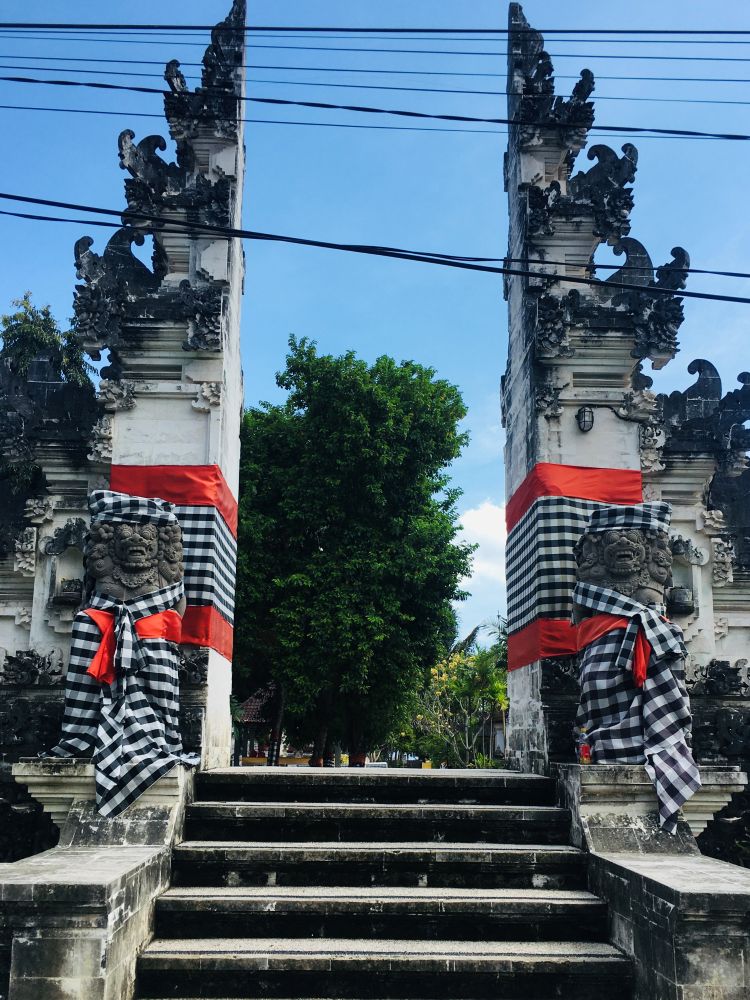
Among the island’s most revered spiritual landmarks, Pura Dalem Ped stands as a significant pilgrimage site, just 10 minutes from Toya Pakeh Harbour. This expansive temple complex is known not only for its spiritual importance but also for its association with healing and purification rituals. Within the grounds, several shrines form a larger sacred ensemble. Pura Segara sits along the northern edge, accompanied by the sound of crashing waves, whilst Pura Taman offers a tranquil setting with a lotus pond. The main temple, dedicated to Ratu Gede Mecaling, anchors the complex, alongside additional shrines including Pelabuhan Ratu Mas and Pura Bale Agung. Together, they create a spiritually rich destination, deeply woven into the island’s cultural fabric.
Pura Goa Giri Putri
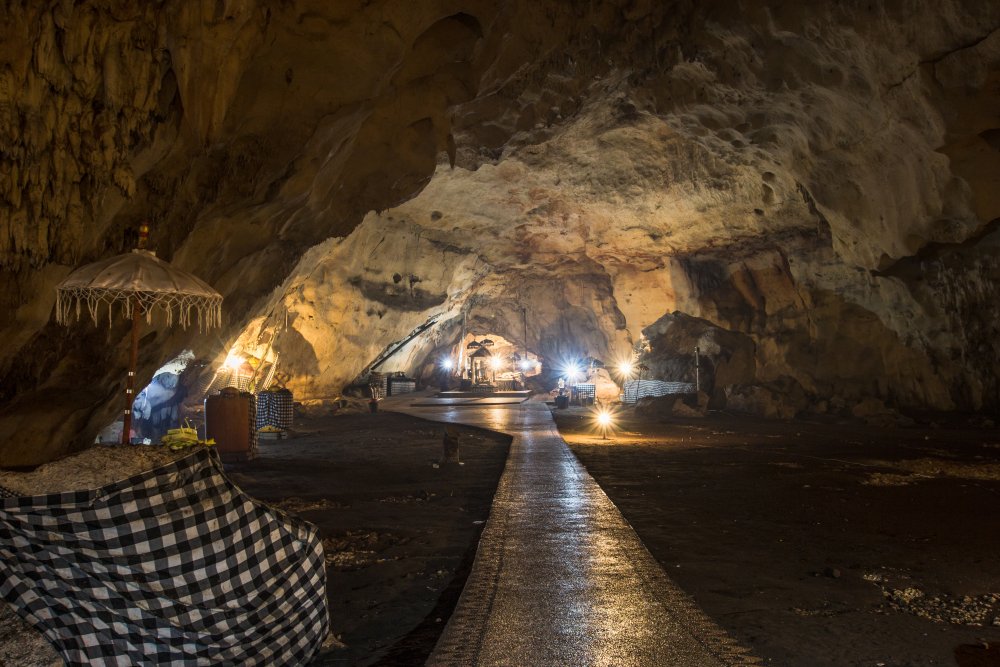
One of the island’s most unique spiritual sites, Pura Goa Giri Putri, lies around 30 minutes from the main harbour. Hidden within a vast limestone cave, the temple is not visible from the outside, adding to its sense of mystery and reverence. Reaching the site involves ascending a flight of steps before entering through a narrow cave opening, leading into a surprisingly expansive interior adorned with stalactites, shrines, and prayer areas. Despite its modest entrance, the cavern opens into a large sacred space used for religious ceremonies. A place of active worship, visitors are required to wear a sarong and sash and observe local customs. The cave’s natural spring is also believed to hold spiritual significance among devotees.
Side Quest: Diving at Manta Point
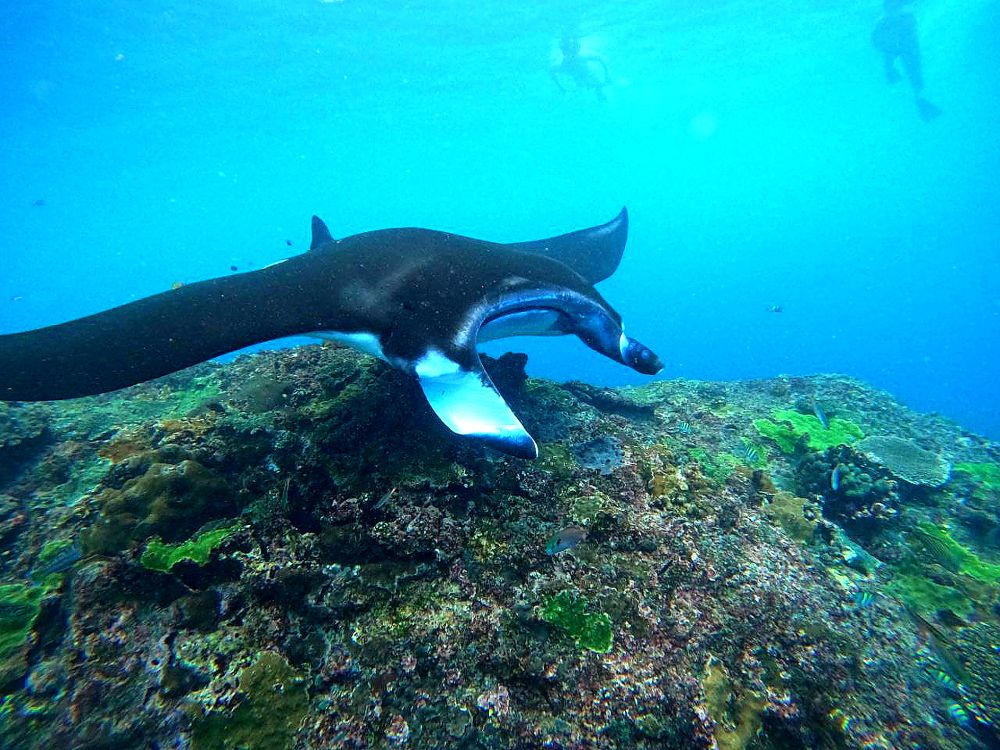
Among the most popular marine experiences around the island, Manta Point offers an extraordinary opportunity to encounter manta rays in their natural habitat. Located along the island’s southwest coast, the site is known for its high likelihood of sightings throughout the year. Here, manta rays glide gracefully into shallow waters, frequenting natural “cleaning stations” where reef fish remove parasites from their bodies. For divers and snorkellers, this creates a mesmerising spectacle – watching these gentle giants hover and circle above coral outcrops. Beyond the mantas, the site reveals a rich underwater world, from vibrant coral gardens to reef sharks, rays, and seasonal sightings of mola mola.