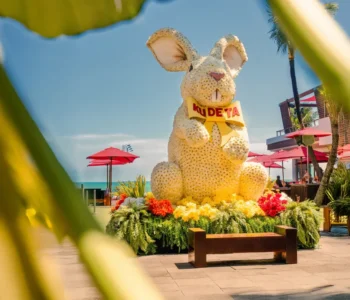



A corner of the island that exudes a quieter, more authentic ambience than South Bali’s tourist hub, East Bali is brimming with dreamy natural landscapes stretching from the mountains to the sea, rich with historical and cultural sites. From royal kingdoms to ancient villages and temples, discovery and exploration await further east.
NOW! Bali had the unique opportunity to re-explore this side of the island with Alila Manggis, one of the region’s popular resorts offering a secluded, scenic retreat by the sea. But beyond that, the resort’s Leisure Concierge invites guests on guided explorations into Karangasem’s most treasured destinations.
Stairway to the Gates of Heaven
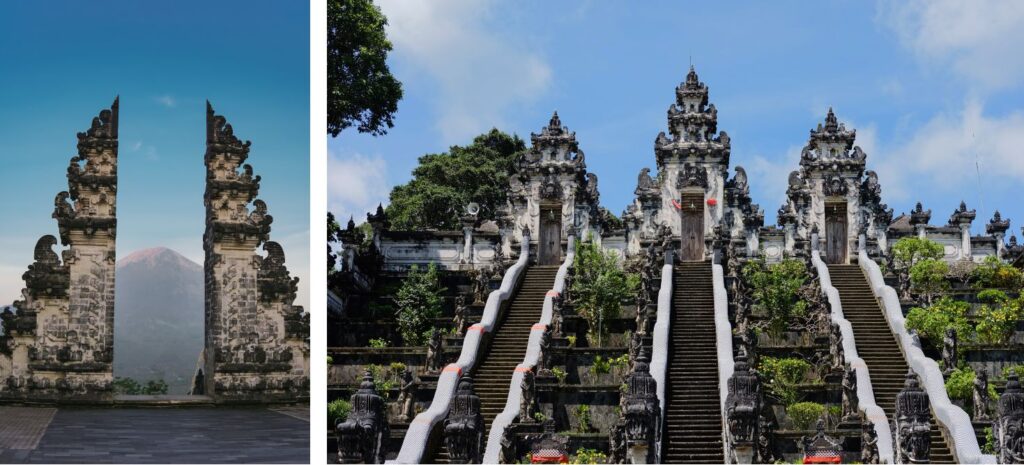
About an hour’s drive from Alila Manggis lies one of East Bali’s most sought-after tourist destinations: Pura Penataran Agung Lempuyang, a Balinese Hindu temple situated on Mount Lempuyang and revered as one of the island’s most sacred natural points. It forms part of a temple complex comprising seven temples along the hiking path to the mountain’s summit. Pura Penataran Agung Lempuyang is the first and lowest temple, while the highest, Pura Lempuyang Luhur, is one of the Sad Kahyangan Jagad (six main sacred temples of Bali) and one of the island’s nine directional temples.
Facing the mountain peak, Pura Penataran Agung Lempuyang is divided into three sanctuaries: the outer (nista mandala), the middle (madya mandala), and the inner main sanctuary (utama mandala). The entrance to the outer sanctuary is marked by a striking white-painted split gateway (candi bentar), famously known as the ‘gates of heaven’ – a popular photo spot where visitors can pose between the gateways with Mount Agung and the sky as its dramatic backdrop.
From the outer sanctuary, three stairways ascend to the middle sanctuary, each leading to a white-painted panduraksa portal flanked by mythical naga figures. The left stair is used for entry, the right for exit, and the central door, typically closed, is opened only during the temple’s biannual piodalan festival, when sacred objects, heirlooms, and offerings are paraded through it. Surrounding the stairways are stone sculptures from the Mahabharata epic, and at the top stands a statue of Krishna, the earthly form of Vishnu.
The uppermost sanctuary, the most sacred of the three, houses several meru towers and pelinggih shrines dedicated to various gods and local deities. The padmasana shrines, featuring empty stone thrones, are devoted to Sang Hyang Widhi Wasa, the supreme deity of the Hindu pantheon, and to the gods of the Trimurti.
For pilgrims, this temple provides a unique holy water that is found within the inner sanctum. It is the waters found inside the growing bamboo shoots, sought after for very specific ceremonies.
Relics of the Royal Kingdom
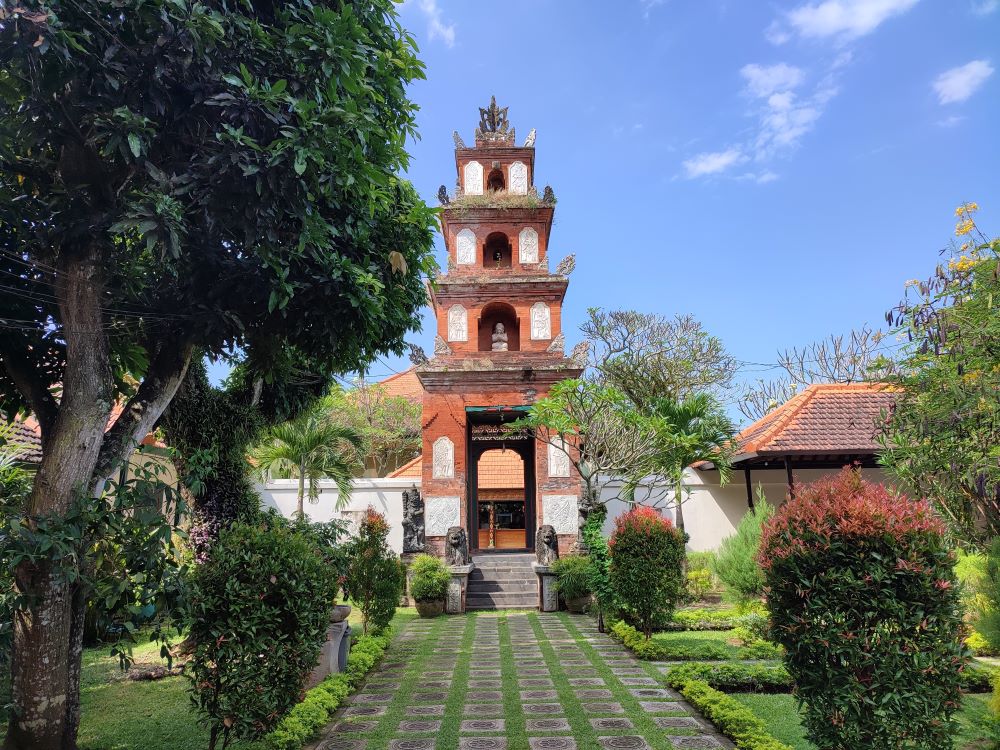
From there, a scenic 25-minute drive southwest brings you to Puri Agung Karangasem (Karangasem Royal Palace) in the town of Amlapura, the capital of the Karangasem Regency. This historical landmark offers a glimpse into the Kingdom of Bali’s regal past, now serving as a cultural site and living museum preserving the traditions and heritage of the island’s royal legacy.
Built in the 19th century, the palace once served as both a royal residence and the kingdom’s administrative centre. It was initiated by Ida Anak Agung Gde Djelantik and later refined and completed by his successor, Ida Anak Agung Anglurah Ketut Karangasem, who infused the complex aesthetic vision and cultural grandeur.
Occupying two hectares, the palace complex is an architectural masterpiece notable for its symbolic and cross-cultural design, blending Balinese, Chinese, and European influences. Balinese features appear in the shape of the gates (angkul-angkul), the traditional pavilions (bale), and the spatial layout based on Balinese Hindu cosmology. Chinese touches are visible in the ceramic ornaments, curved roofs, and dragon symbols, while European influence emerges in the arched windows, classical columns, and the symmetrical garden layout.
The palace’s spatial layout follows traditional Balinese architectural principles of Tri Mandala and Asta Kosala Kosali. It is divided into three main zones, namely jaba, the outer area for welcoming guests and public gatherings; jaba tengah, the central area used for ceremonial activities or royal social gatherings; and jeroan, the innermost and most sacred zone, housing the royal residence and spiritual centre.
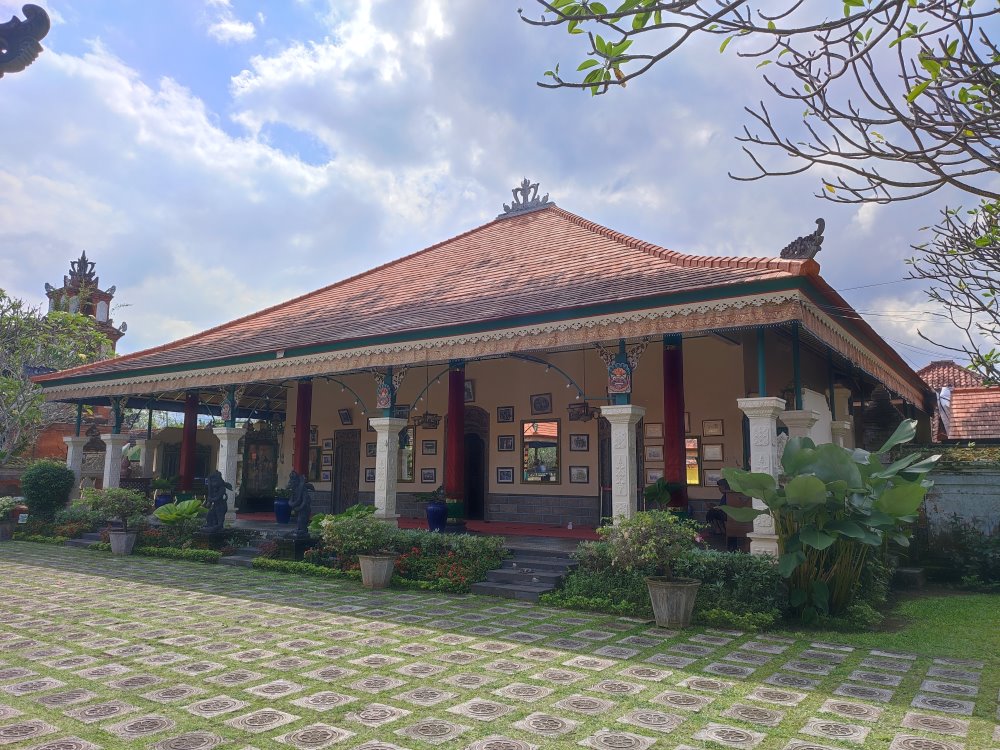
The palace has several bale pavilions, each serving distinct purposes, including bale pawedan, where the king or royal family performed spiritual activities or read lontar (palm-leaf manuscripts); bale pemandesan, where the cremation ceremony of royal family members was prepared; and bale kambang, a pavilion over a pond that reflects serenity and elegance.
For history buffs, Puri Agung Karangasem offers a vivid journey into East Bali’s royal past. Despite existing for over a century, the palace is still impeccably maintained, from the meticulously manicured gardens, ponds, and walking paths – it still exudes the royal atmosphere. It showcases high historical and aesthetic value; its distinctive cross-cultural architecture interweaves seamlessly within a single palace complex.
The Village Where Time Stands Still
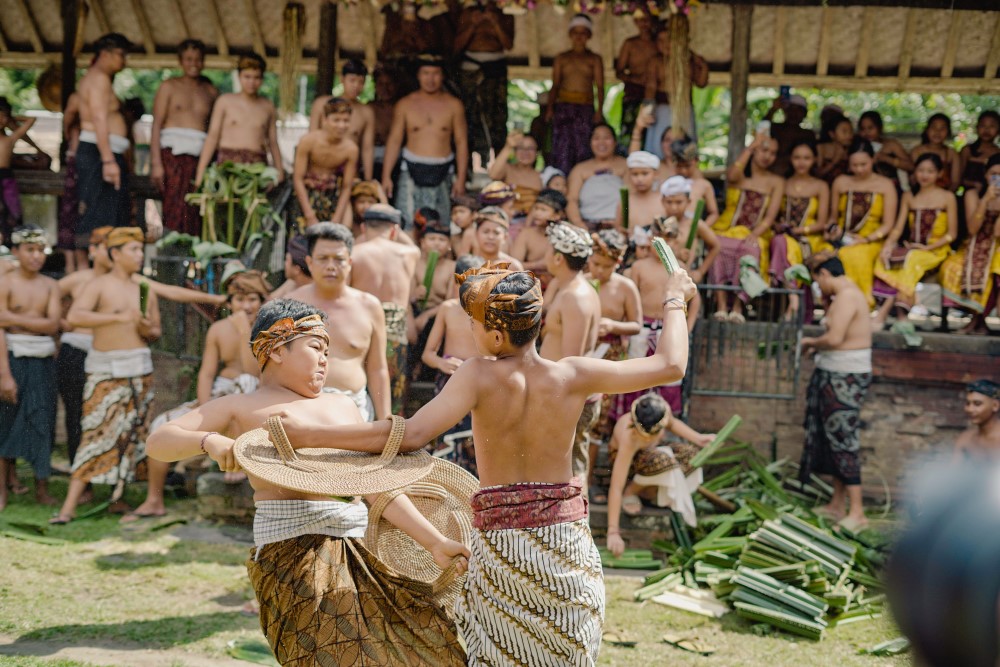
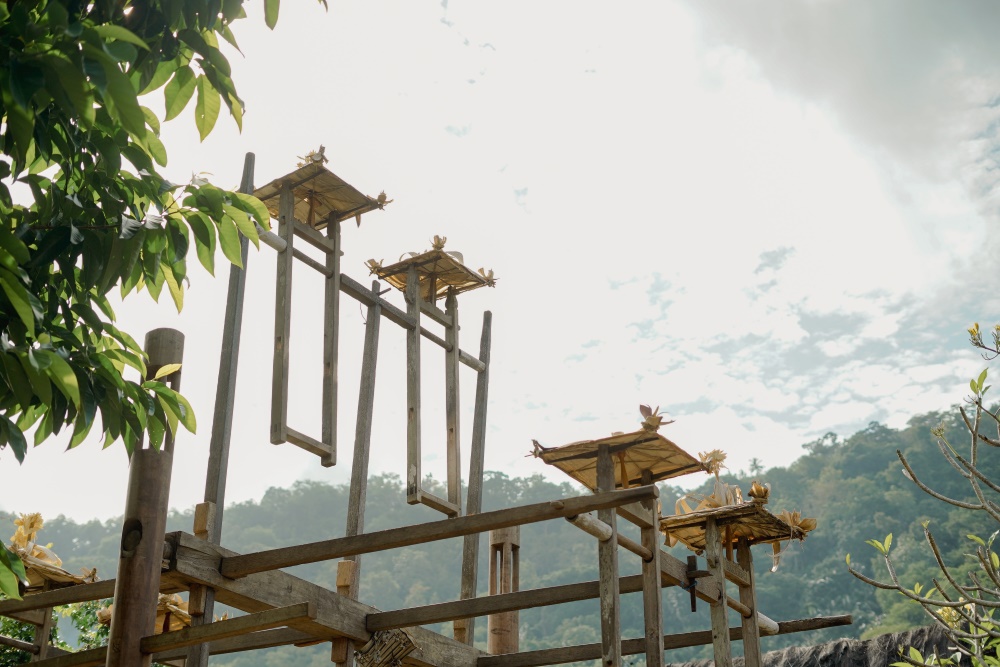
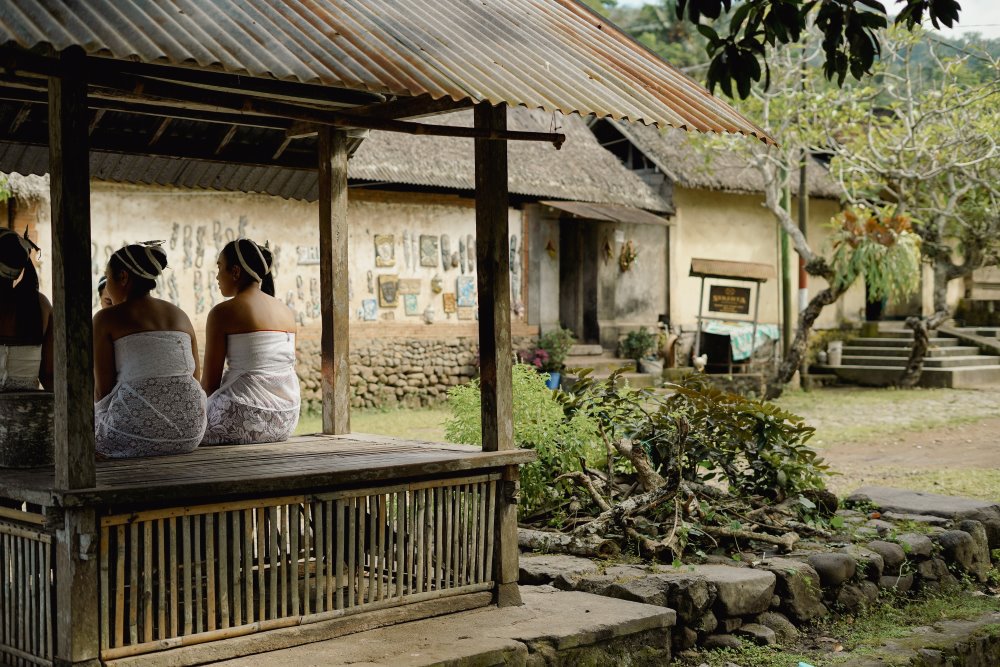
The final stop, about 40 minutes from Puri Agung Karangasem, is Desa Adat Tenganan Pegringsingan (Traditional Village of Tenganan Pegringsingan) – a traditional village widely considered the oldest in Bali. For those curious about what life was like in ancient times, this Bali Aga (indigenous Bali) village predates the Majapahit era and preserves many original customs and traditions.
As the cultural and administrative centre of the Tenganan area, the village showcases Bali Aga heritage through its ancient customs, traditional architecture, unique traditions, cultural practices, and crafts – most notably the revered gringsing double-ikat textile and the annual mekare-kare (pandan war) ritual.
Spanning 917 hectares of lush forest and farmland, the Tenganan area is managed by the main village and its community. The village’s main entrance in the south is where visitors can register and make a donation before entering. In the main village, houses are built on either side of a long strip, terracing uphill from south to north. At the centre lie the bale patemon pavilions, communal meeting halls used for ceremonies and social gatherings. In the courtyards, you might come across the sacred buffaloes grazing peacefully on the grass.
As you wander, you’ll encounter the village artisans displaying their works on tables: lontar (palm-leaf) manuscripts, drawings, paintings, carvings, and the village’s most treasured craft, the gringsing textile. Worn during rituals and ceremonies, the gringsing textile is considered to be sacred and believed to possess protective powers that ward off illness and misfortune. This intricately woven textile is created using the rare double-ikat technique, found only in three other places worldwide. You can also step inside the homes of weavers to observe the meticulous process on traditional backstrap looms.
If you visit during the month of Usaba Sambah, the village comes alive with a month-long celebration featuring prayers, sacred dances, sacrifices, ceremonial foods, ritual swings, and gatherings that culminate with the famed Pandan Wars (mekare-kare), a dramatic two-day duel held in front of the bale patemon pavilions.
This thus concludes our exploration of East Bali, an area of the island where the identity of the destination and its people are still remarkably ingrained with ancient cultural heritage, traditions, and customs. But this barely scratches the surface, as there are plenty more destinations to discover, so we encourage you to explore further east. For those keen to explore on their own, access NOW! Bali’s ‘East Bali Road Trip Itinerary‘.
Staying in East Bali
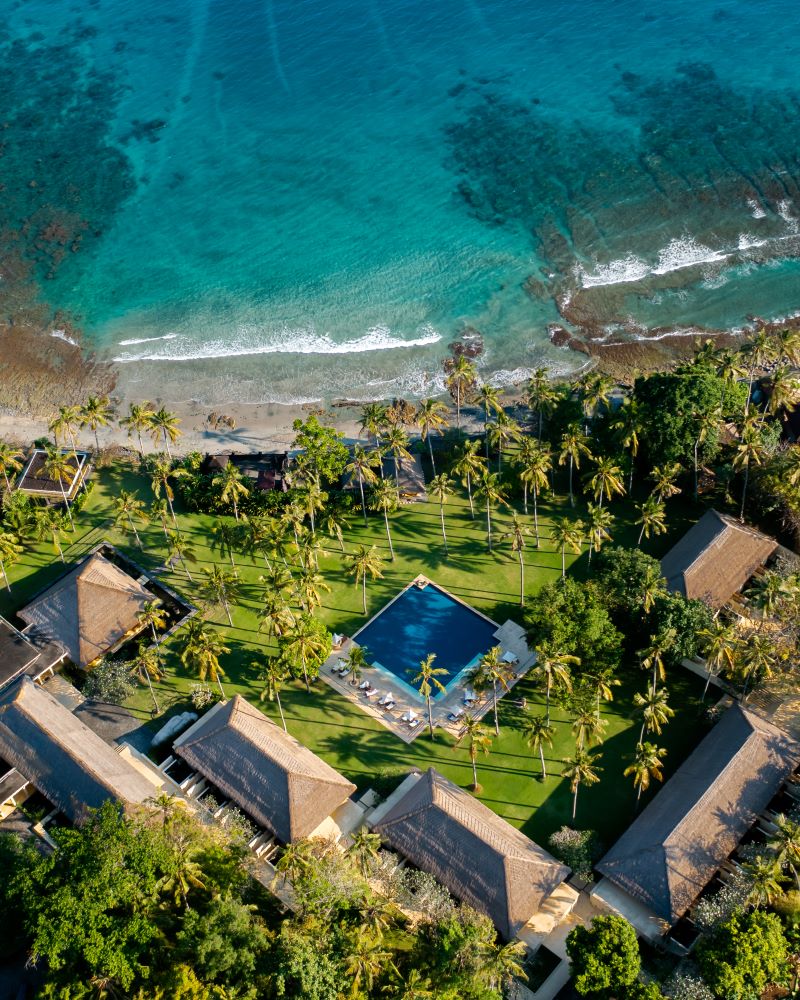
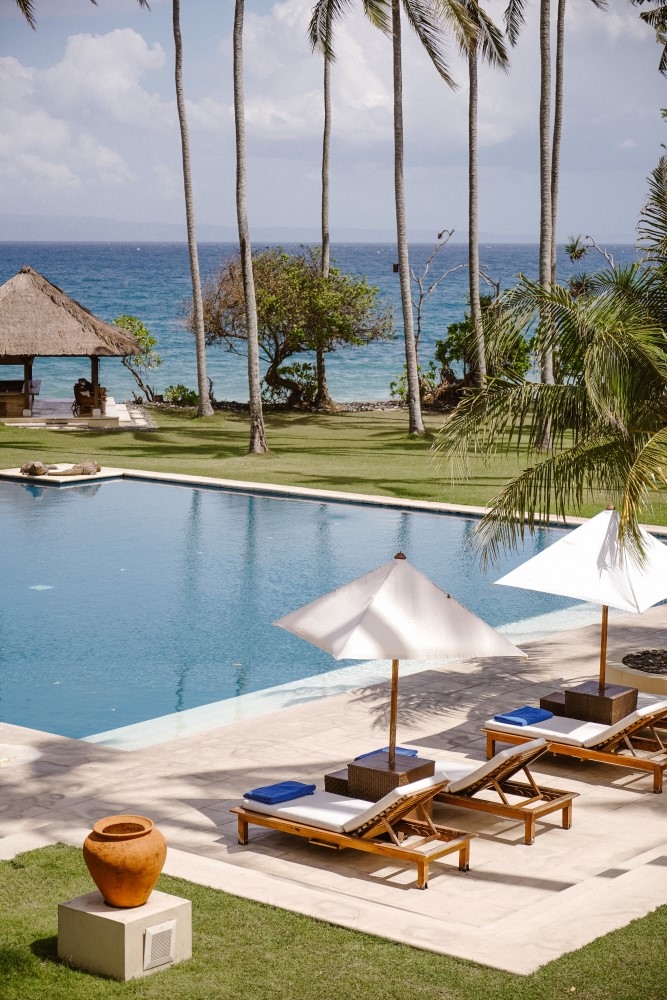
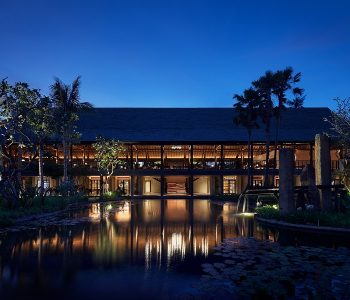
Nestled in the quiet coastal town of Manggis on Bali’s eastern shores, Alila Manggis is a beachside retreat offering a secluded, scenic, and deeply relaxing retreat, set between the ocean and the towering Mount Agung.
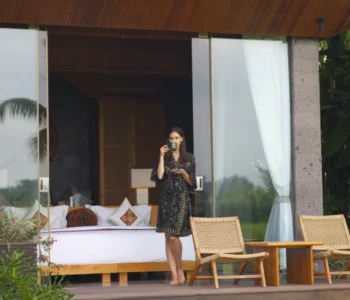
Resting within a coconut grove and manicured gardens, this seaside haven features 55 rooms and suites designed in thatched, ocean-facing pavilions. Offering uninterrupted views across the straits to Nusa Penida, the soothing rhythm of waves and warm ocean breeze call you to unwind. Ground-level rooms open to private terraces, while upper-level rooms feature balconies with oversized daybeds – ideal for hushed moments and sunrise vistas.
There are plenty of fascinating destinations to uncover in the East, and the resort’s Leisure Concierge can arrange tailored activities for guests eager to explore – from coastal treks, village visits, and market tours to explorations of royal water palaces and sacred temples. (@alilamanggis | alilamanggis.com)