


We’ve all enjoyed the comforts of a hearty Indian meal, where steamy, creamy curries pair perfectly with toasty naans, shared generously around the table. No one can deny the comforting, satiating nature of the cuisine. However, it was only after the rare opportunity of dining alongside the owner of Ganesha ek Sanskriti – Southeast Asia’s largest Indian restaurant group – did I find myself fully appreciating the breadth and depth of Indian dishes.
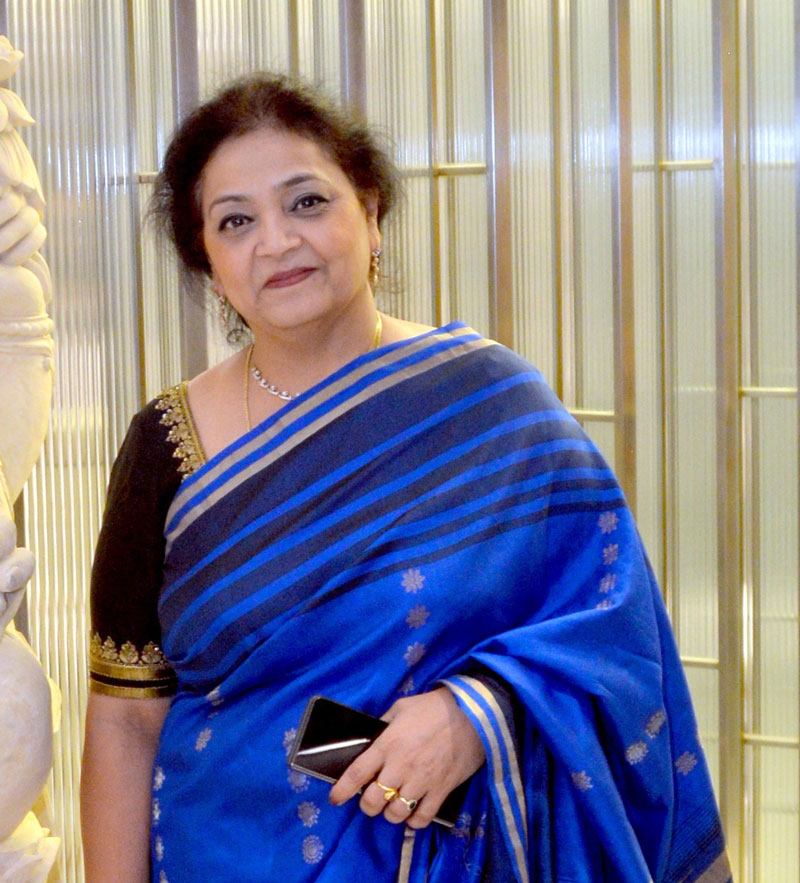
Founded back in 2003 by Shilpa Dave, in Indonesia’s capital city of Jakarta, Ganesha ek Sanskriti was born out of a sentiment that many expatriates are familiar with: homesickness, and in particular, a longing for the food of one’s home. So, the restaurant really began as a mission to bring familiar flavours closer, and indeed share them with others.
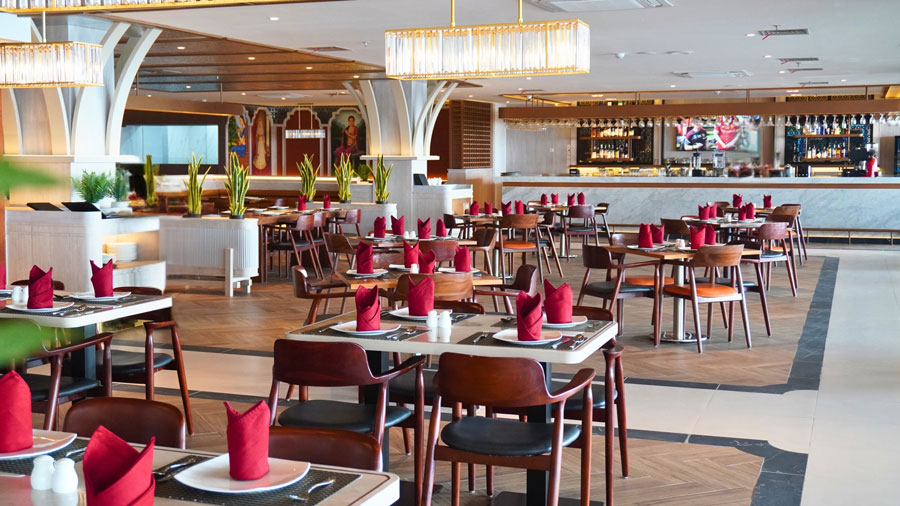
Importantly, it had to be truly representative, with Shilpa deeply committed to accurately recreating the tastes she was used to in Delhi; be it her mother’s homecooked meals, or the street food favourites of her childhood. The restaurant would thus be more than a place to eat, it would have to represent a ‘culture’ – which is precisely what sanskriti means. With that, Ganesha ek Sanskriti endeavoured to serve the most authentic traditional Indian experience, which I had the pleasure of tasting during Bali’s golden hour at their Discovery Mall Kuta venue, overlooking the iconic beachfront.
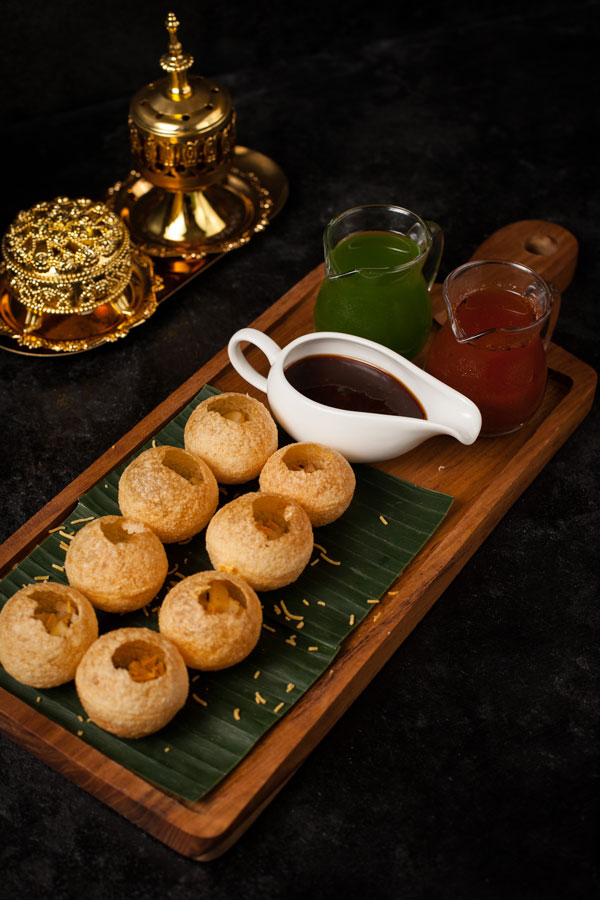
“You have never tried Pani Puri?” asks Ibu Shilpa, as a serving of crisp and hollowed dough balls were brought to the table. She prepares one for me, topping the potato and onion filled ball (puri) with spiced sauces (pani).
“You have to eat it all in one!” she instructs, as I pop in the entire mouthful. A delightful mixture of flavours ensues: sweet tamarind, spicy-sour vinegars, a freshness from the mint, the soft filling and the final crunch of the crispy bread.
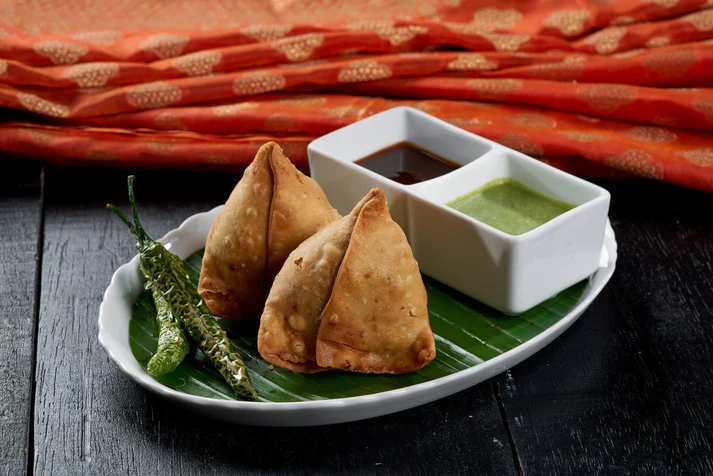
Reflecting on my ignorance, I thought to myself I would likely never have ordered the dish myself – one of India’s most popular snacks! – skipping it over for the usual curries and grills. Then a familiar dish comes out, the classic samosa, but not quite.
“See how it sits?” Ibu Shilpa points out, as the pyramid-shaped pastry nestled neatly on the plate. “An authentic samosa should have a stable bottom, that’s its proper shape – if it falls over, it’s not the real deal!”
A minor aesthetic detail for some, but a clue into Ibu Shilpa’s in-depth knowledge of her nation’s cuisine. “And one more thing, look, no oil comes off of it – I tell my chefs we don’t want oily foods here,” adds Ibu Shilpa, a trained nutritionist in her past life.
“When we started Ganesha ek Sanskriti, we couldn’t get the flavours exactly right. We used all the right ingredients, but there was something slightly off,” she recalls. “We eventually realised that some ingredients had subtle differences from those found in India. Like the Indonesian cumin, it’s just a little sweeter, but we could taste the difference.” So, fixing these details became an obsession, ensuring that every little piece of the puzzle was perfect.
“We have to make our own yoghurt, and even our own paneer,” she explains, with these two ingredients being so crucial to the cooking, even going so far as to import a specific mango (Alphonso) pulp to ensure their lassis were just right.
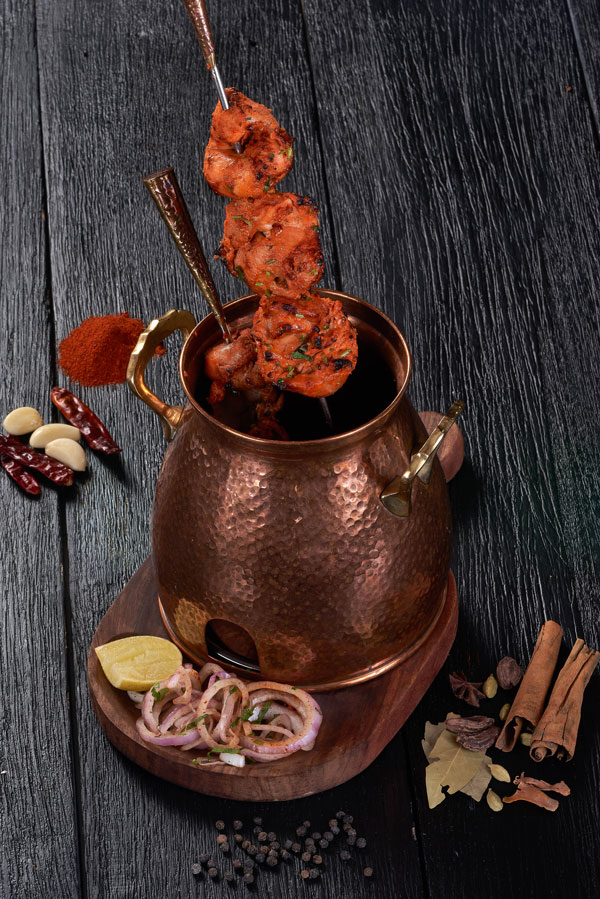
The arriving aroma of the skewered Chicken Tikka disrupted the discussion, served in a gorgeous, brass table tandoor. The chicken – first marinated in the smooth, homemade yoghurt with ginger, garlic and spices for 24-hours – is cooked in the traditional tandoor oven. The breast meat was soft and supple: the creamy marinade and oven’s smoke infusing the flavours deep into the meat.
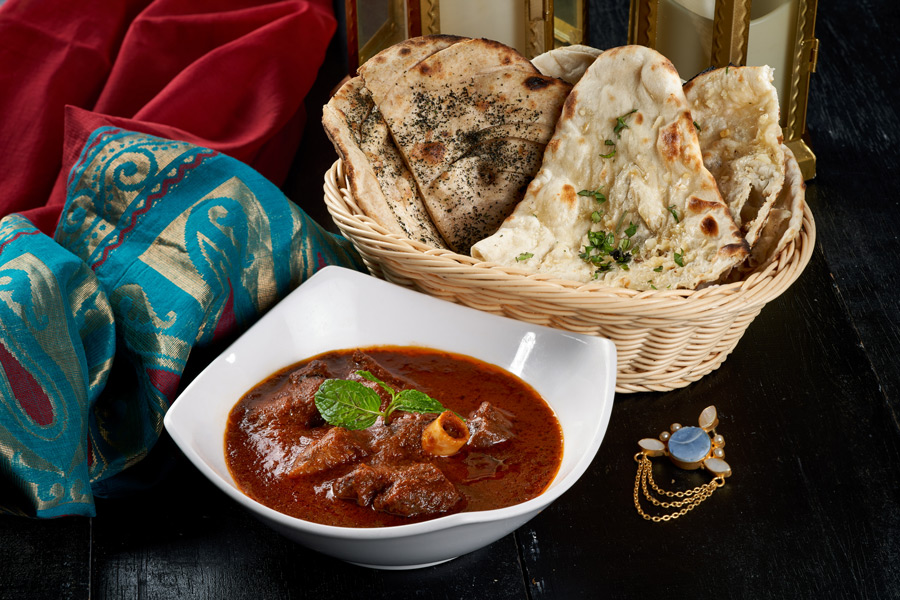
The Butter Chicken adds an extra layer of indulgence, where the same, tandoor-cooked meat is elevated with a creamy, tomato curry. The classic Rogan Josh was another must-try, with imported Australian lamb cooked in a mild spiced curry until it almost falls off the bone.
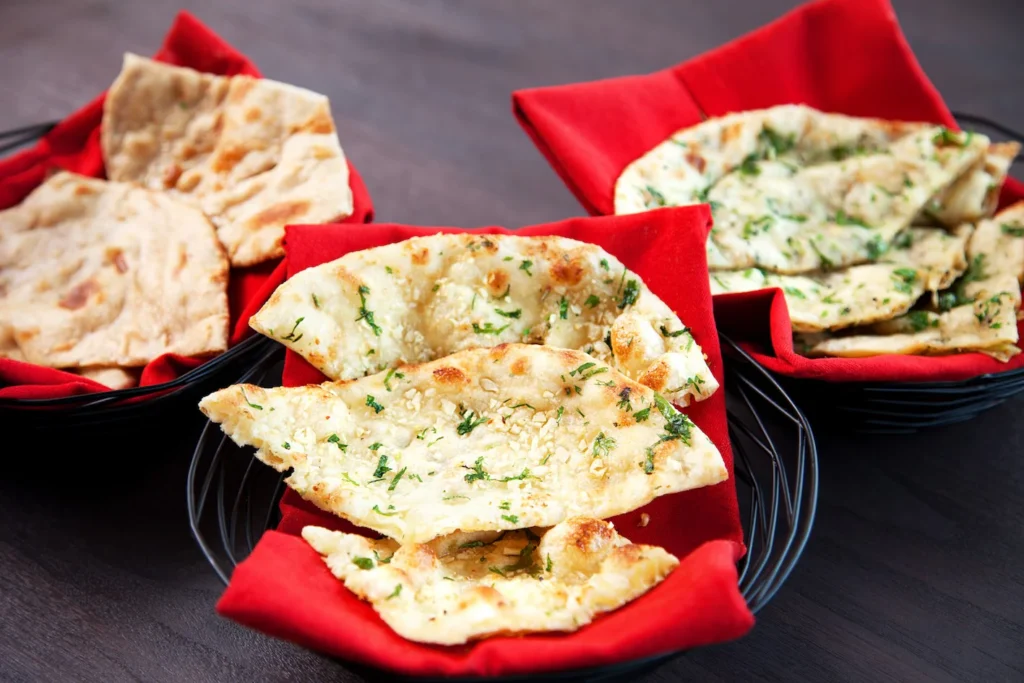
To lap up the sauces, a selection of breads were brought to the table. Though not all on the menu, Ganesha ek Sanskriti can make up 20 different varieties, from airy, skillet-baked chapati, to the multi-layered lacha pudina parantha, and of course the tandoor-cooked naans.
Much of Ganesha’s menu focuses on North Indian delicacies, reflecting Ibu Shilpa’s own upbringing. A few South Indian dishes are available too, like the renowned Dosa crepe made from fermented lentil and rice. However, in selected venues, like Ganesha in Ubud (their first venture in Bali, opened in 2014), has a vast selection of South Indian cuisine.
“That is because we have a South Indian chef there; and only they know how to do their own regional dishes justice. Indian chefs have their own specialties, be it the tandoor, the curries, the biryani. That is why I think we are able to deliver such authenticity,” she says, explaining that Indian food really requires familiarity with the flavours.
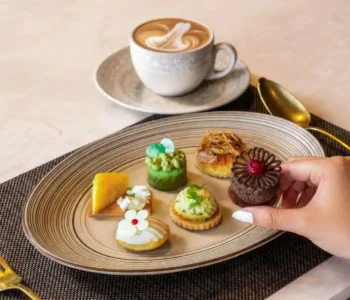
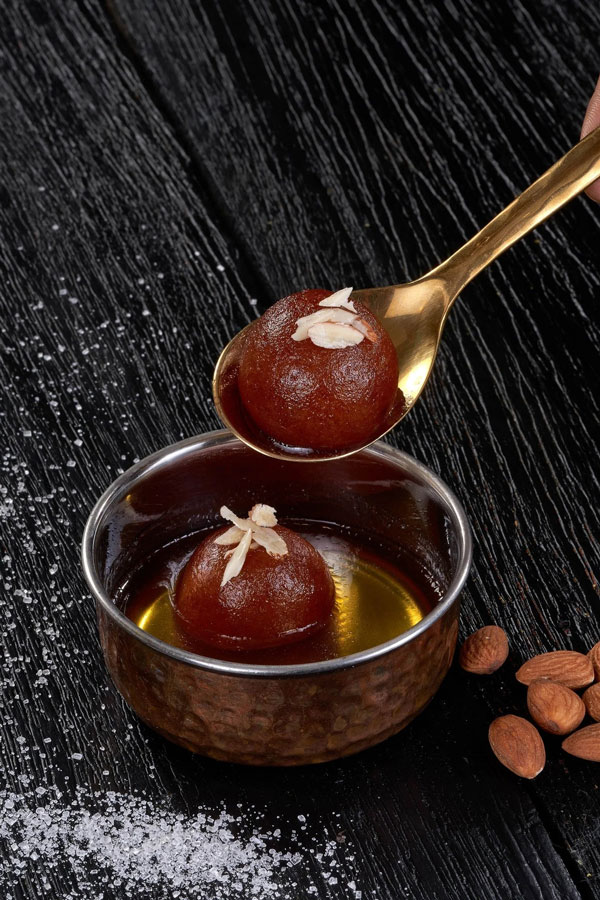
As is the case with Indian cuisine, having only savoured a fraction of the menu, the food’s richness had us near filled to the brim. But we made sure to leave room to try the specialty desserts: the house-made mango Kulfi, an aromatic Indian ice cream, made from sweetened milk cooked in soft spices; and the to-die-for Gulab Jamun, a spice-and-sugar-soaked, deep-fried dumpling of khoya, the dairy leftover from their paneer-making process. Creamy from its cheesy origins, but sweet from its sugary swim – a real overindulgence.
For most of us, Indian cuisine is a comfort food, but for Shilpa Dave, it offers the comforts of home. As such, diners can expect a cultural experience with Sanskriti, and if one is adventurous enough to explore the more exotic dishes on the menu, they may well find a newfound love for Indian cuisine.
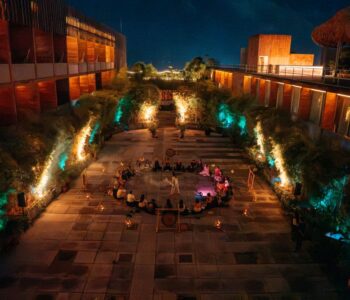
Ganesha ek Sanskriti can be found in several locations around Bali: Discovery Mall Kuta, Sunset Road, Sanur, Ubud, GWK Cultural Park (Uluwatu), Bali Airport and Ayodya Resort Bali (Nusa Dua). The new Ganesha Elite in The Westin Resort Nusa Dua, Bali, offers an elevated dining experience with refined specialities available.
@ganeshaeksanskriti
ganeshaeksanskriti.com